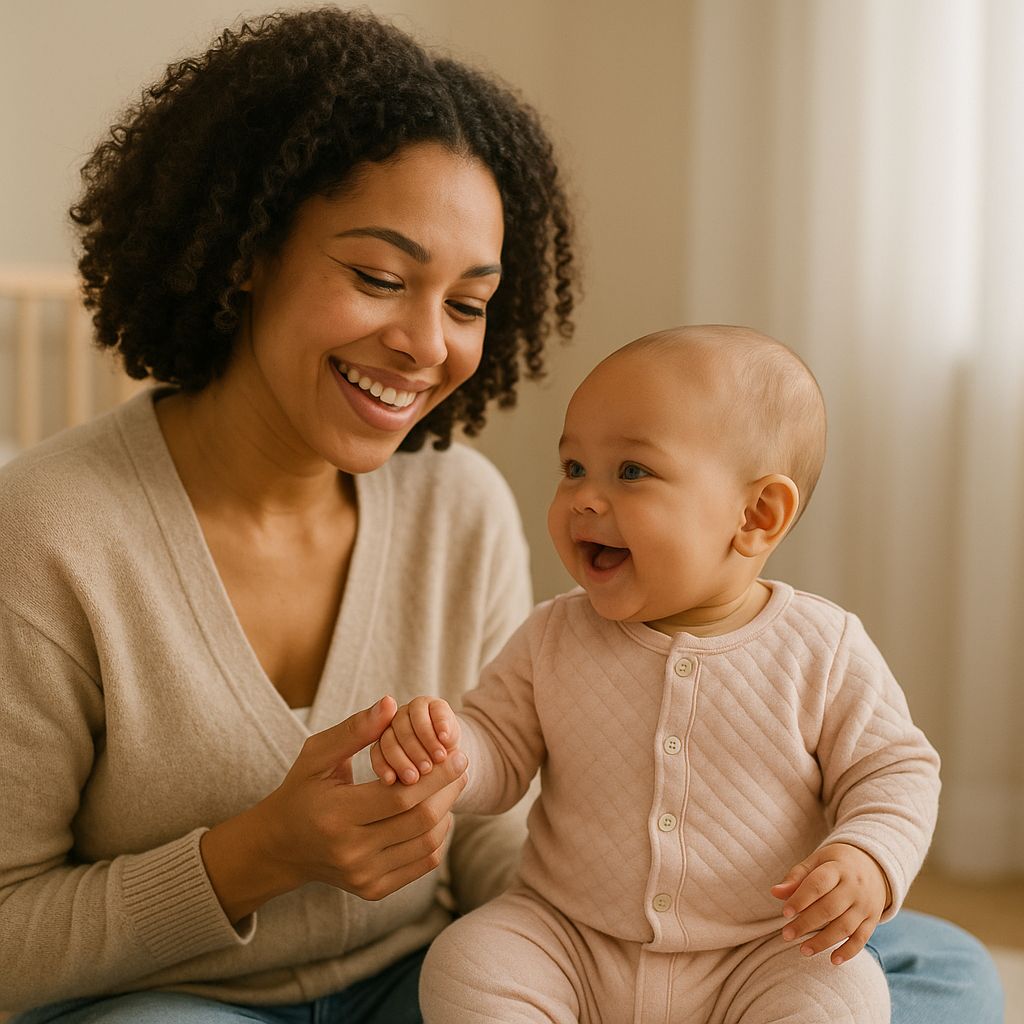

Social Development in Babies: What to Expect
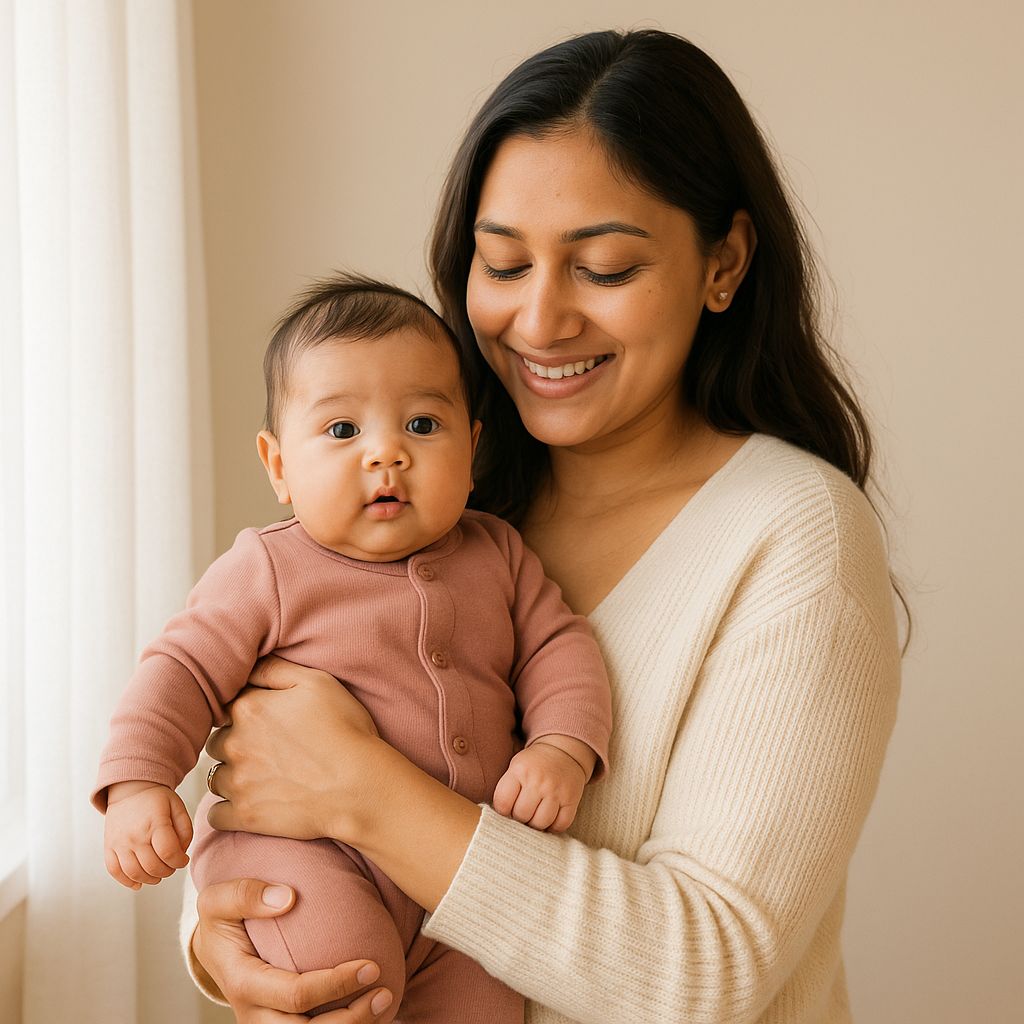
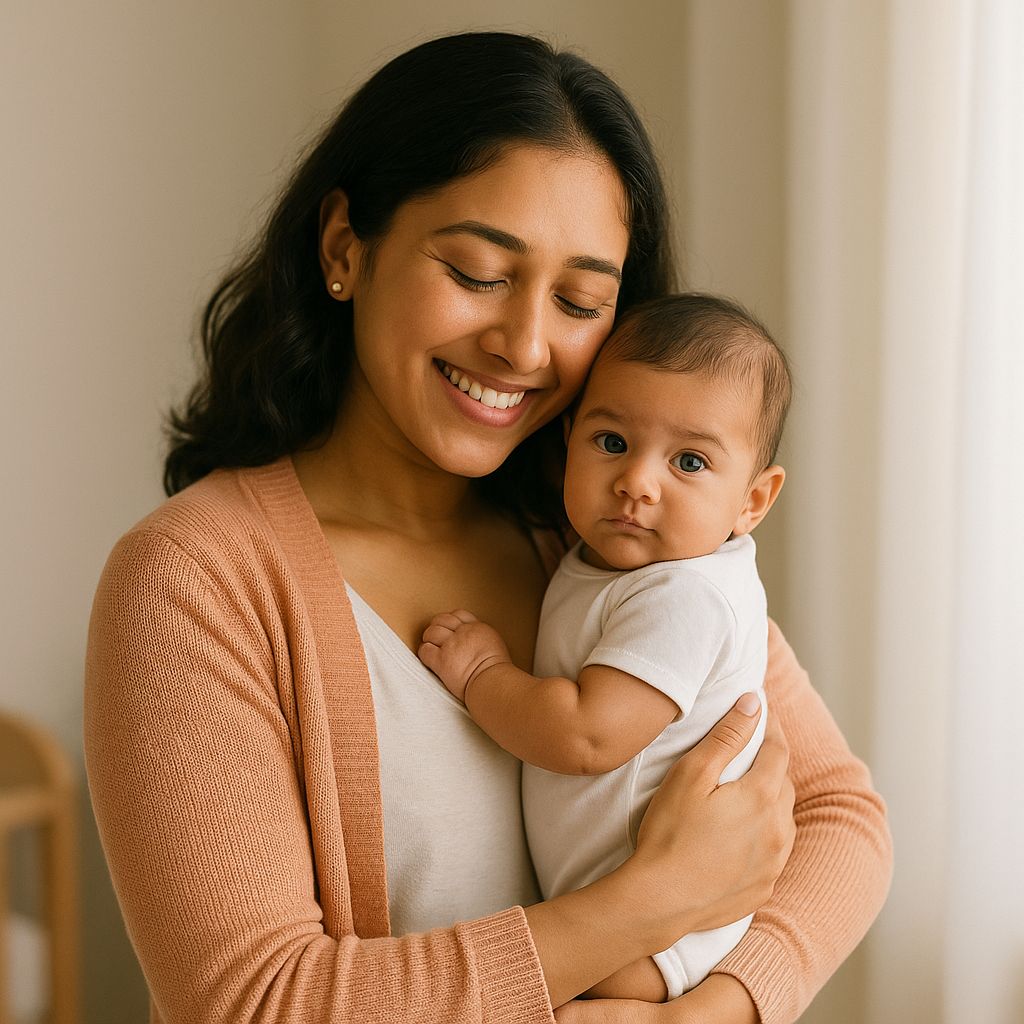
Welcoming a new baby into the world is a journey filled with joyful firsts and remarkable growth. One of the most incredible aspects of early childhood is social development in babies. From the first gurgle to the first smile, babies are constantly learning how to interact with the world around them. Understanding these social milestones can help parents nurture their child’s emotional health and lay the foundation for lifelong relationships.
What is Social Development in Babies?
Social development refers to the process by which infants learn to build relationships, communicate, and express emotions. It encompasses how babies bond with caregivers, interact with family members, and respond to social cues. This growth starts from the earliest moments after birth and continues rapidly throughout infancy and toddlerhood.
Why Is Social Development Important?
Social and emotional growth in infants is crucial for:
- Building trust and emotional security
- Developing communication skills
- Understanding social norms and behaviors
- Fostering empathy and self-awareness
Early social experiences lay the groundwork for later academic achievement, problem-solving, and healthy relationships with peers and adults.
Key Social Development Milestones in Babies
Every child develops at their own pace, but there are general milestones parents can expect. Here are the main stages and behaviors to watch for during the first year and beyond:
Birth to 3 Months
- Eye Contact: Newborns can focus on faces and often prefer looking at people over objects.
- Listening and Soothing: Babies are comforted by familiar voices, especially those of their parents or primary caregivers.
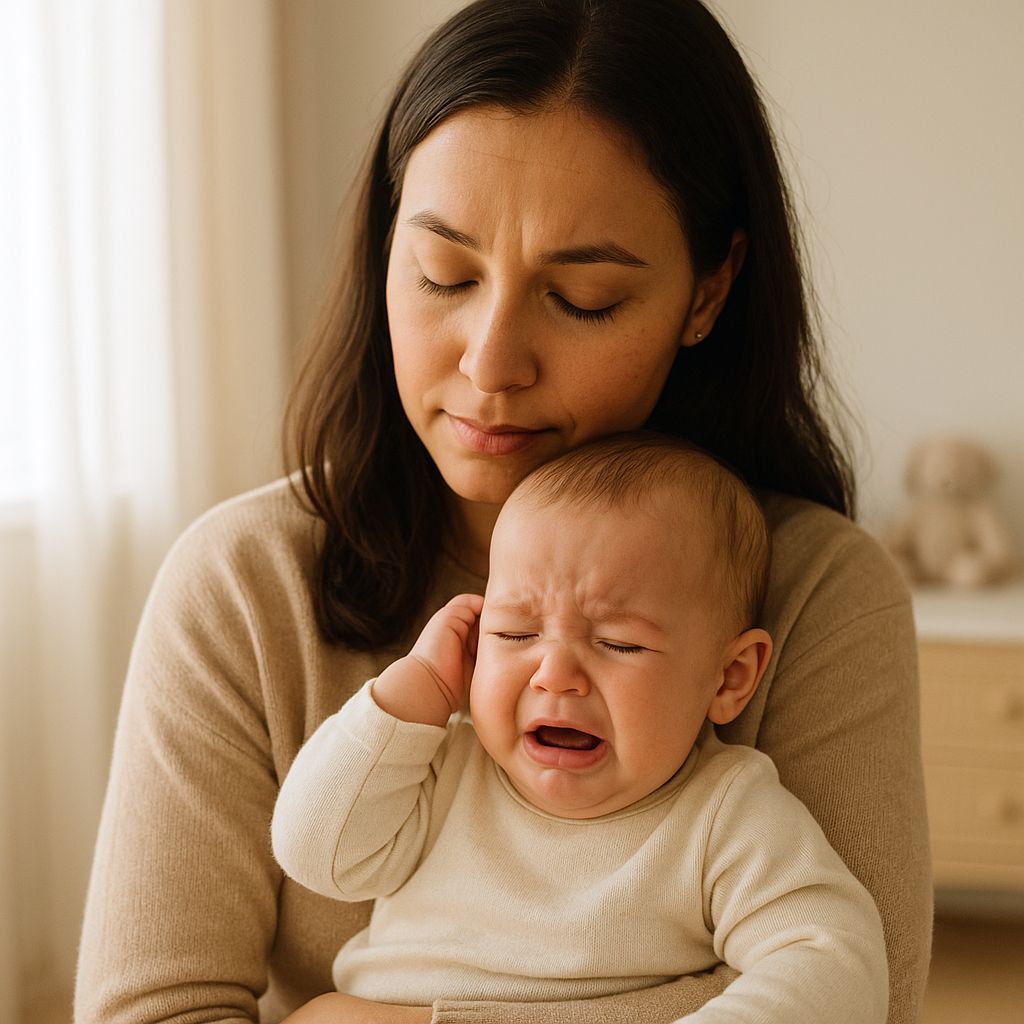
- Crying as Communication: Crying is a baby's primary way to express needs and discomfort.
3 to 6 Months
- Social Smiling: By around 6 to 8 weeks, most babies start to smile in response to social interaction, not just reflexively.
- Imitation: Infants begin mimicking facial expressions and sounds, laying the groundwork for communication.
- Preference for Familiar Faces: Babies show excitement and recognition towards familiar people.
6 to 9 Months
- Babbling and Vocal Play: Babies experiment with sounds, often responding to the tone and rhythm of voices around them.
- Expressing Emotion: Babies begin to show a wider range of emotions, including joy, frustration, and excitement.
- Separation Anxiety: Many infants start to get upset when separated from primary caregivers, a normal part of attachment development.
9 to 12 Months
- Stranger Anxiety: Babies may become wary of unfamiliar people.
- Interactive Play: Simple games like peekaboo and pat-a-cake become favorites, as infants enjoy back-and-forth interaction.
- Responding to Emotions: Babies notice and often react to caregivers’ emotions, seeking comfort or joining in laughter.
12 to 24 Months
- Imitative Play: Toddlers love to imitate daily activities, such as talking on the phone or stirring a pot, reflecting their growing social awareness.
- Showing Affection: Hugs, kisses, and bringing toys to share are signs of budding empathy and attachment.
- Parallel Play: While not yet playing directly with peers, toddlers enjoy playing alongside others, learning important social skills.
Factors That Influence Social Development
Several factors contribute to a baby’s social and emotional development:
- Attachment: Secure attachment with caregivers provides a safe base for exploration and learning.
- Temperament: Every child has a unique temperament that influences how they react to social situations.
- Family Environment: Consistent routines, positive interactions, and emotional support promote healthy social growth.
- Opportunities for Interaction: Engaging with siblings, extended family, and peer groups helps babies practice social skills.
How to Support Your Baby’s Social Development
Parents play a central role in nurturing social and emotional growth. Here’s how you can help your baby thrive:
1. Respond to Your Baby’s Cues
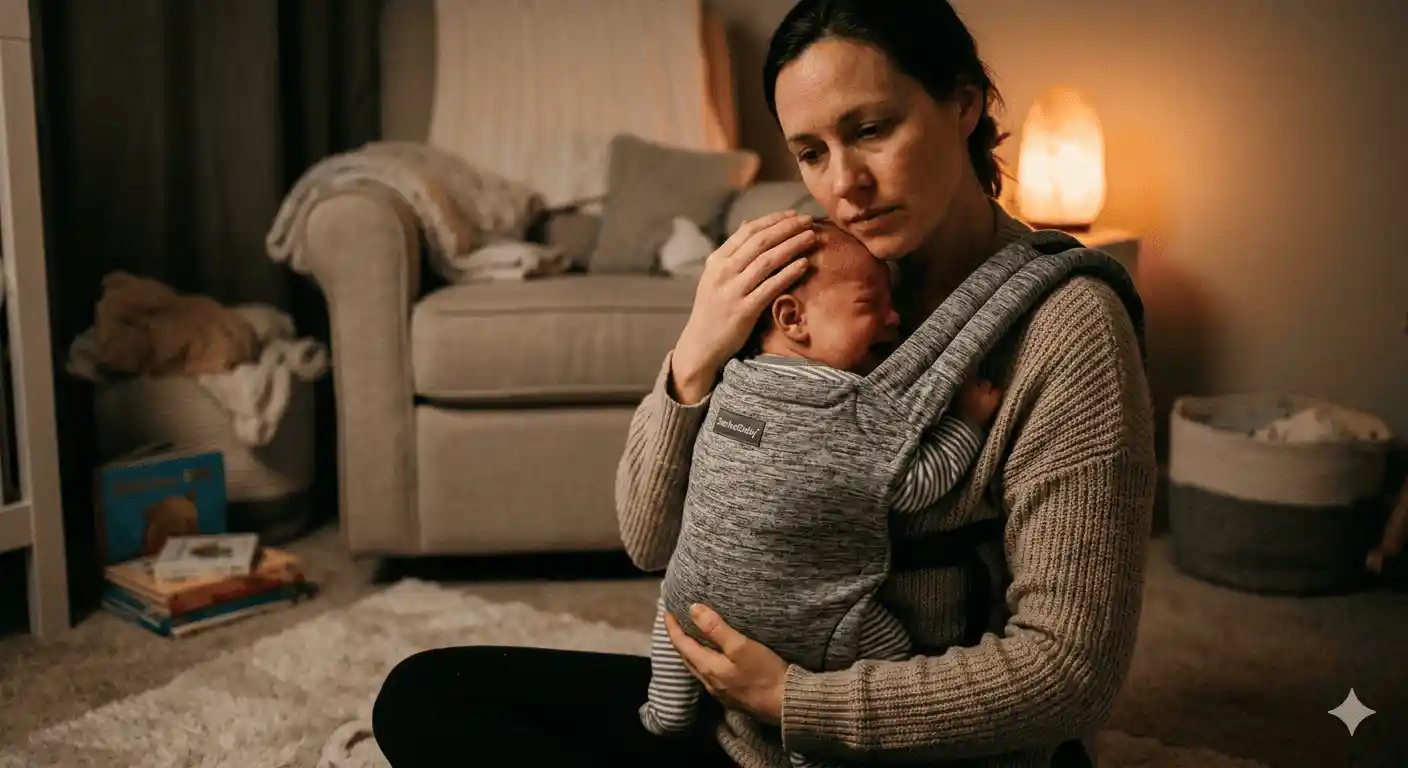
Attentive, responsive caregiving—such as picking up your baby when they cry, making eye contact, and talking to them—builds trust and helps your child feel secure.
2. Talk, Sing, and Play
Regularly engage your baby in conversation, sing songs, and play interactive games. These activities encourage communication and teach your baby about social turn-taking.
3. Provide Safe Social Opportunities
Allow your baby to interact with other children and adults in safe environments. Even parallel play or being around other babies helps develop essential social skills.
4. Model Positive Social Behavior
Babies learn by watching. Demonstrate kindness, empathy, and appropriate ways to express feelings.
5. Encourage Emotional Expression
Help your baby label their feelings by naming emotions: “You’re happy!” or “That noise surprised you.” This builds emotional intelligence from the start.
Common Challenges in Baby Social Development
It’s normal for babies to experience a range of emotions and responses as they navigate social development. Some common challenges include:
- Separation Anxiety: Peaks around 9-18 months and is a healthy sign of attachment, though it can be distressing for both baby and parents.
- Stranger Fear: Shyness or wariness of new people is a normal developmental stage.
- Temperamental Differences: Some babies are more reserved or sensitive, while others are outgoing; understanding your child’s temperament helps tailor your approach.
When to Be Concerned
While development varies, certain signs may indicate a need for further evaluation:
- Consistent lack of eye contact
- No social smile by 3 months
- Limited response to voices or facial expressions
- No interest in social interaction
- Does not respond to their name by 9 months
If you notice any of these signs, consult your pediatrician. Early intervention can provide support and resources if needed.
Frequently Asked Questions
- When do babies start to show social behaviors?
- Babies begin to show social behaviors from birth, such as making eye contact, responding to voices, and eventually smiling by around 6 to 8 weeks of age.
- How can parents support their baby’s social development?
- Parents can support social development through responsive caregiving, talking, singing, playing, and offering opportunities for safe social interaction with others.
- What are signs of healthy social development in infants?
- Signs include smiling, making eye contact, responding to familiar caregivers, showing interest in others, and gradually learning to express a range of emotions.
- When should parents be concerned about their baby's social development?
- If a baby consistently avoids eye contact, doesn’t respond to their name by 9 months, or shows little interest in social interaction, parents should consult their pediatrician.
Conclusion
Social development in babies lays the foundation for emotional well-being, communication, and future relationships. By understanding key milestones and engaging in nurturing interactions, parents can confidently support their child’s journey from the first gaze to the first giggle and beyond. Remember, every child is unique—celebrate each social step as your baby grows and discovers the joy of connecting with the world.