
Social Development in Babies Explained: Milestones, Tips & Insights
Social development is a cornerstone of childhood growth, beginning in infancy and shaping how babies learn to interact, communicate, and build relationships. For parents, understanding this process is crucial to supporting their child’s emotional and social well-being from the very start. In this article, we’ll explore the intricacies of social development in babies, highlight key milestones, and offer expert tips to foster positive social skills.
What Is Social Development in Babies?
Social development refers to the gradual acquisition of skills needed to interact with others and form relationships. In infancy, it’s about how babies respond to caregivers, express emotions, and begin to understand social cues. This process lays the groundwork for emotional intelligence, cooperation, and empathy later in life.
Why Is Social Development Important?
- Emotional Regulation: Babies learn to manage feelings through interactions.
- Communication Skills: Early social behaviors pave the way for verbal and non-verbal communication.
- Relationship Building: Healthy attachments create a safe foundation for future friendships.
- Empathy: Responsive caregiving helps babies understand others’ feelings.
Milestones of Social Development in Babies
Each child’s development is unique, but there are typical milestones parents can look for throughout the first year.
0-3 Months: Early Recognition and Engagement
- Eye Contact: Newborns begin to focus on faces and make eye contact, especially with caregivers.
- Responding to Voices: Babies turn toward familiar sounds and voices.
- Social Smiles: Around 6-8 weeks, babies start to smile in response to faces and interactions.
3-6 Months: Expressing Emotions
- Cooing and Babbling: Infants begin vocalizing, responding to conversation-like exchanges.
- Facial Expressions: Babies mimic expressions and show delight, surprise, or frustration.
- Attachment: Stronger bonds form with primary caregivers, and babies may show preference for familiar faces.
6-9 Months: Seeking Social Interaction
- Peek-a-Boo: Interactive games introduce turn-taking and anticipation.
- Recognizing Names: Babies respond when their name is called.
- Stranger Anxiety: Awareness of unfamiliar people may lead to cautiousness or distress.
9-12 Months: Sharing and Communicating
- Pointing and Gestures: Babies use gestures to communicate needs and interests.
- Imitation: Copying actions, sounds, and facial expressions becomes common.
- Separation Anxiety: Babies may show distress when separated from caregivers, signaling strong attachment.
Factors That Influence Social Development
Several factors impact social development in babies, including:
- Genetics: Individual temperament and predispositions play a role.
- Environment: Safe, nurturing environments foster healthy social growth.
- Caregiver Interaction: Responsive, loving care is essential for positive development.
- Routine and Consistency: Predictable routines provide security for babies.
Parental Role in Social Development
Parents and caregivers are the most influential figures in a baby’s social life. Here’s how you can nurture your infant’s social skills:
1. Responsive Interaction
React promptly to your baby’s cues—smiles, cries, and coos. Consistent responsiveness teaches trust and emotional security.
2. Face-to-Face Engagement
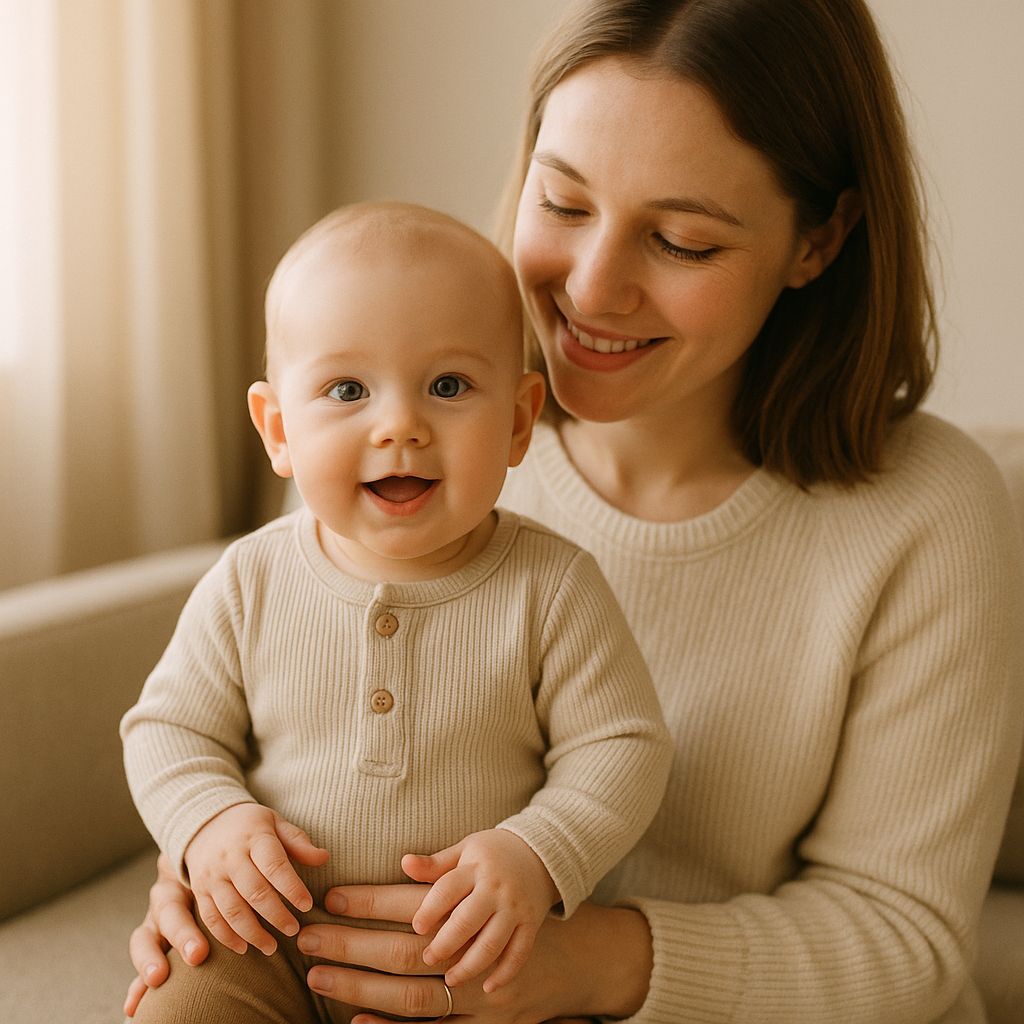
Spend time talking, singing, and making eye contact. Babies learn to read expressions and tone, laying the foundation for communication.
3. Play and Exploration
Engage in age-appropriate play, such as peek-a-boo, gentle tickling, or singing. These activities encourage turn-taking and social participation.
4. Establish Routines
Consistent daily routines help babies feel secure and understand social expectations.
5. Encourage Attachment
Physical closeness—through cuddling, holding, and gentle touch—reinforces bonding and emotional development.
Common Concerns in Social Development
Every child develops at their own pace, but it’s important to recognize signs that may suggest challenges:
- Absence of eye contact or social smile by 3 months
- Lack of response to voices or sounds
- No interest in faces or people
- Extremely withdrawn behavior
- Delayed milestones compared to peers
If you notice any of these signs, consult your pediatrician for assessment and guidance.
Strategies for Supporting Social Development
Talk and Narrate
Describe daily activities, objects, and feelings to your baby. Narration builds understanding and encourages engagement.
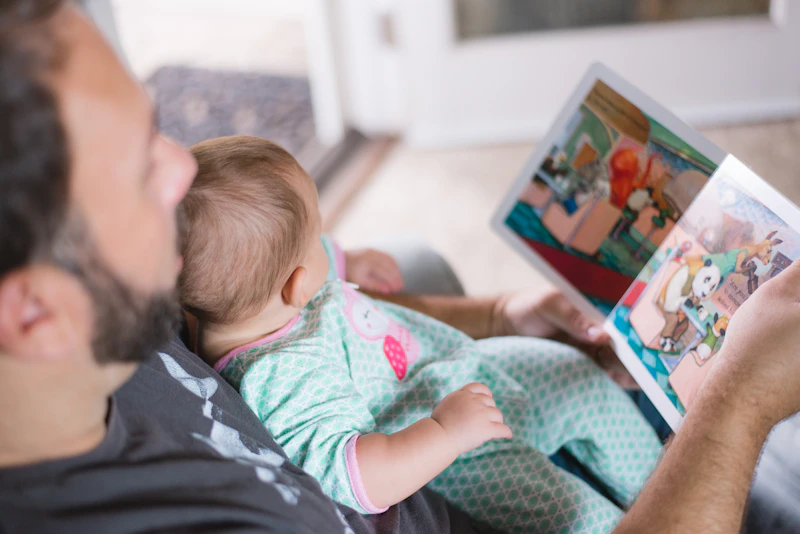
Read Together
Reading picture books exposes babies to new words, expressions, and social scenarios.
Encourage Interaction
Introduce your baby to new faces in safe settings. Allow gentle interactions with siblings, family members, and other infants.
Model Social Behaviors
Demonstrate kindness, empathy, and positive communication. Babies mimic behaviors they observe.
Provide Comfort and Support
Offer reassurance during transitions or stressful moments, reinforcing emotional resilience.
The Role of Play in Social Growth
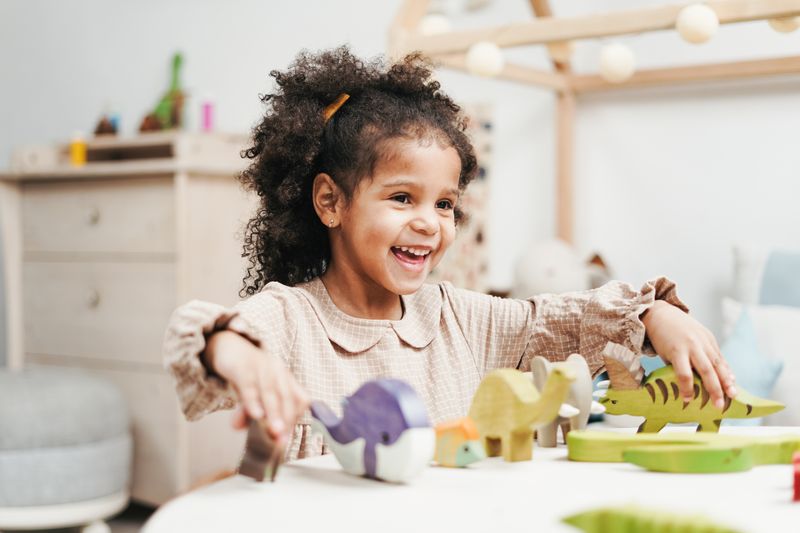
Play is a powerful tool for social development. Through play, babies learn to share, cooperate, and express emotions. Simple games, such as stacking blocks or playing with mirrors, stimulate social and cognitive skills.
Understanding Attachment Theory
Attachment theory highlights the importance of secure bonds between infants and caregivers. A secure attachment leads to greater confidence, exploration, and social competence. Signs of secure attachment include:
- Comfort in presence of caregiver
- Distress during separation
- Joyful reunion behaviors
Social Development and Emotional Health
Social skills and emotional health are deeply connected. Babies who experience loving, supportive relationships are more likely to develop emotional regulation and resilience.
Supporting Emotional Growth
- Responding to cries and discomfort
- Offering praise and encouragement
- Helping babies navigate new experiences
When to Seek Professional Guidance
While some variation in development is normal, persistent concerns should be addressed with healthcare professionals. Early intervention can make a significant difference in social and emotional outcomes.
Frequently Asked Questions
- What are the first signs of social development in babies?
- The first signs include making eye contact, responding to voices, and smiling. These behaviors show that your baby is beginning to engage socially and recognize familiar faces.
- How can parents encourage social development in infants?
- Parents can encourage social development by talking, singing, and making eye contact, practicing responsive caregiving, and playing interactive games like peek-a-boo.
- Are delays in social development common?
- Some variation is normal, but significant delays or lack of response to social cues may warrant a discussion with a pediatrician for further evaluation.
- What role does attachment play in social development?
- Attachment forms the foundation of social and emotional development. Secure attachment leads to confidence, empathy, and stronger relationships later in life.
- When should parents seek help for social development concerns?
- If your baby consistently avoids eye contact, doesn’t respond to voices, or doesn’t show interest in people, consult your pediatrician for guidance.
Conclusion
Social development in babies is a dynamic, multifaceted process that begins at birth and continues throughout infancy. By understanding key milestones, nurturing secure attachments, and providing supportive environments, parents lay the foundation for lifelong social and emotional well-being. Stay observant, engage meaningfully, and celebrate each step in your baby’s journey toward becoming a confident, empathetic individual.