
Sleep Needs for Preschoolers (3–5 Years): Expert Tips for Restful Nights
Sleep is the secret ingredient for happy, healthy preschoolers. Whether your child is a whirlwind of energy or a gentle dreamer, understanding their sleep needs is essential for their growth, development, and emotional well-being. In this comprehensive guide, we’ll delve into how much sleep preschoolers need, signs of sleep deprivation, bedtime routines, and actionable tips for parents. Let’s unlock the secrets to restful nights and brighter days!
Why Sleep Matters for Preschoolers
Between ages 3 and 5, children experience rapid cognitive, emotional, and physical development. Sleep is the foundation for all these changes. It helps consolidate learning, regulate emotions, boost immunity, and maintain energy levels. When preschoolers get the right amount of sleep, they’re better equipped to explore, play, and thrive.
How Much Sleep Do Preschoolers Need?
- Recommended: 10–13 hours every 24 hours
- Includes: Nighttime sleep and daytime naps
- Individual variation: Some children may need more or less sleep, depending on temperament, activity level, and health
According to the American Academy of Sleep Medicine, preschoolers should aim for 10–13 hours of sleep each day. This total includes nighttime sleep and naps. For many children, naps gradually become shorter and may disappear altogether around age 5, but each child is unique.
Typical Sleep Patterns for 3–5 Year Olds
Preschoolers are developing their independence, which often affects their sleep patterns. Here’s what you might notice:
- Bedtime: Usually between 7:00–8:30 p.m.
- Wake-up: Often between 6:00–8:00 a.m.
- Naps: 1–2 hours in the afternoon (may phase out by age 5)
- Night waking: Occasional, but frequent waking may signal a problem
Signs Your Preschooler Isn’t Getting Enough Sleep
Every child has off days, but ongoing sleep deprivation can impact mood, learning, and health. Watch for these signs:
- Irritability or crankiness
- Difficulty concentrating or remembering
- Frequent tantrums or meltdowns
- Hyperactivity or restlessness
- Falling asleep during quiet times
- Trouble waking up in the morning
If you notice these behaviors, reevaluate your child’s sleep routine and consult your pediatrician if issues persist.
Why Sleep Challenges Occur at the Preschool Stage
Preschoolers are learning to assert their independence, which can create bedtime battles. They may resist sleep, ask for one more story, or express fears of the dark or monsters. Other factors include:
- Changes in routine (new sibling, daycare, moving)
- Developmental milestones (potty training, language leaps)
- Increased imagination (leading to nightmares)
- Screen time before bed
- Inconsistent sleep schedules
Creating a Bedtime Routine That Works
Consistency is key! A predictable bedtime routine signals to your preschooler that it’s time to wind down. Here’s a sample routine:
- Wind down: 30–60 minutes before bed, reduce stimulation (quiet play, dim lights)
- Bath time: A warm bath helps relax their body
- Pajamas: Let your child pick their favorite PJs
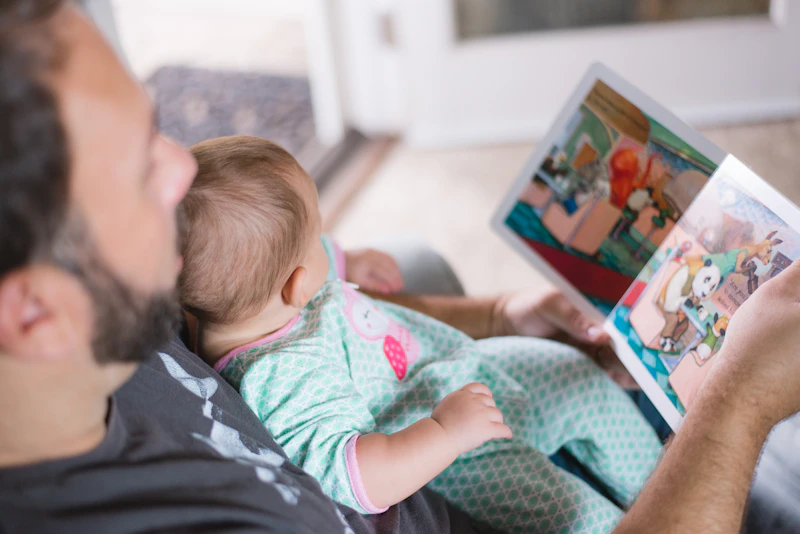
- Story time: Read together or listen to soothing music
- Brush teeth: Make dental hygiene part of the routine
- Bedtime: Tuck in with hugs, kisses, and comfort items
Keep bedtime routines consistent, even on weekends or holidays, to reinforce healthy sleep habits.
Tips for a Sleep-Friendly Environment
- Cool, quiet, and dark: Use blackout curtains, white noise, and keep the room at a comfortable temperature
- Safety: Remove distractions and hazards from the bedroom
- Comfort: Favorite stuffed animals, blankets, or nightlights can help preschoolers feel secure
- Limit screens: Avoid TVs, tablets, or smartphones at least one hour before bedtime
- Encourage independence: Let your child help prepare for bed, but set clear boundaries
Healthy Sleep Habits for Preschoolers
Developing good sleep habits now sets the stage for lifelong health. Try these strategies:
- Stick to a schedule: Same bedtime and wake-up time every day
- Active days: Encourage outdoor play and exercise, but avoid vigorous activity close to bedtime
- Healthy snacks: Offer a light snack before bed if needed (avoid caffeine or sugar)
- Talk about sleep: Explain why sleep is important in age-appropriate ways
- Address fears: Listen to your child’s concerns and use gentle reassurance
Handling Bedtime Challenges
Bedtime struggles are common, but they don’t have to be stressful. Here’s how to tackle common challenges:
- Resisting bed: Offer choices within boundaries (“Would you like to read one or two books?”)
- Nightmares: Comfort your child and talk about their fears during the day
- Night waking: Gently return your child to bed with minimal interaction
- Bedwetting: Use waterproof mattress covers and avoid shaming
If challenges persist, consult your pediatrician or a sleep specialist.
Transitioning Away from Naps
Most preschoolers drop naps between ages 4 and 5, but this transition can be tricky. Signs your child is ready to stop napping include:
- Difficulty falling asleep at nap time
- Waking up refreshed in the morning
- Staying alert and happy throughout the day
Once naps end, adjust nighttime sleep to ensure your child gets enough rest. Quiet time or reading can replace naps for children who still need a midday break.
When to Seek Help
Most sleep issues resolve with consistent routines and gentle guidance. However, speak with your pediatrician if:
- Your child snores or has breathing difficulties during sleep
- Night waking is frequent or distressing
- There are signs of sleepwalking or night terrors
- Sleep deprivation is affecting behavior, mood, or learning
FAQs About Sleep Needs for Preschoolers
- How many hours should a preschooler sleep each night?
- Preschoolers (ages 3–5) need about 10–13 hours of sleep every 24 hours, which includes nighttime sleep and naps.
- Should my preschooler still nap during the day?
- Many preschoolers benefit from daytime naps, although some may naturally transition out of napping around ages 4–5. Monitor your child's mood and behavior to decide if naps are still needed.
- What are signs my preschooler isn’t getting enough sleep?
- Common signs include irritability, difficulty concentrating, frequent tantrums, hyperactivity, and trouble waking up in the morning.
- How can I make bedtime easier for my preschooler?
- Establish a consistent bedtime routine, limit screen time before bed, create a calming environment, and offer comfort items like a favorite stuffed animal.
- Is it normal for preschoolers to wake up at night?
- Occasional night wakings are normal, but frequent disruptions may indicate underlying issues like anxiety, discomfort, or inconsistent routines. Address these with gentle reassurance and routine adjustments.
Key Takeaways for Parents
- Preschoolers need 10–13 hours of sleep every day, including naps.
- Consistent routines and sleep-friendly environments are crucial.
- Recognizing signs of sleep deprivation helps address issues early.
- Healthy sleep habits support emotional, cognitive, and physical development.
- Parents can help by setting boundaries and making bedtime enjoyable.
Final Thoughts
Sleep is a powerful tool for preschoolers’ growth, happiness, and resilience. By understanding their unique sleep needs, creating consistent routines, and fostering a calm bedtime environment, you’re laying the foundation for lifelong health and well-being. Sweet dreams!