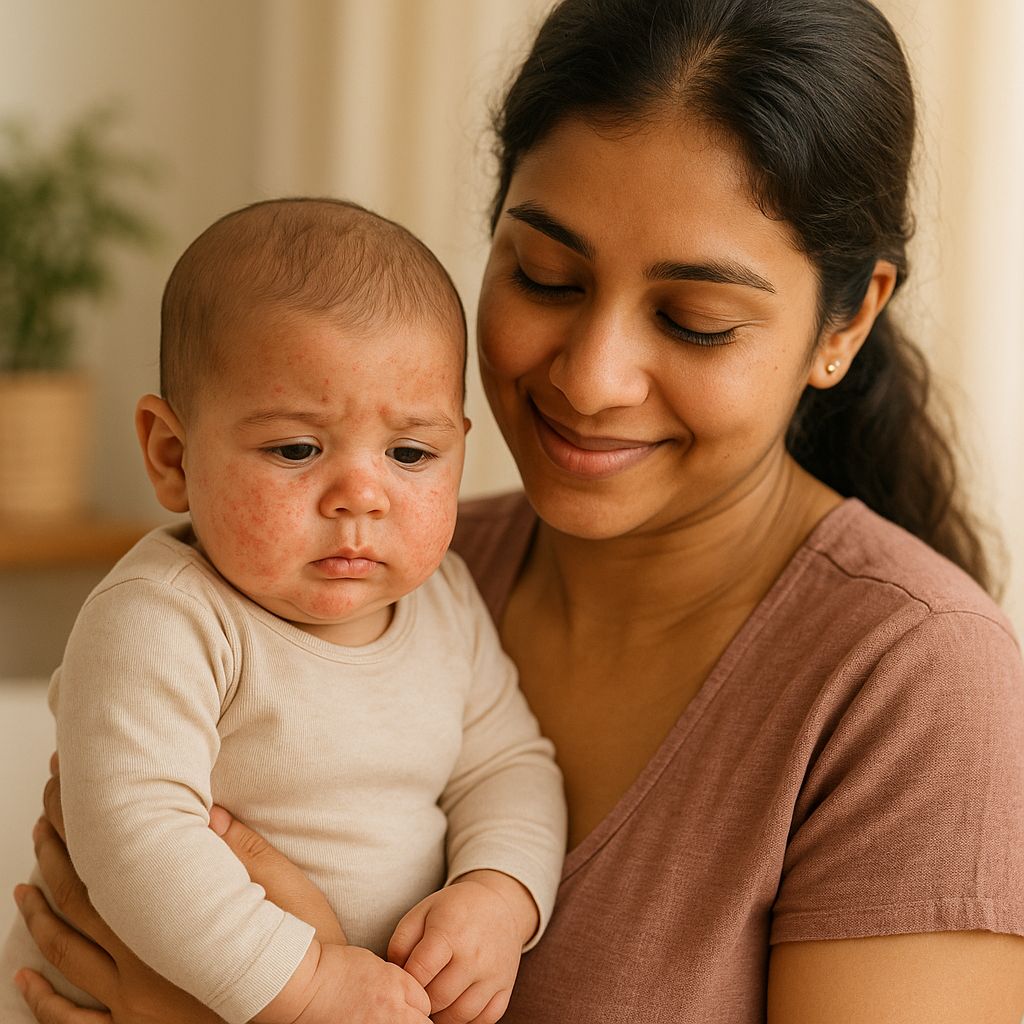

Skin Problems in Babies During Monsoon: Causes, Prevention, and Treatment
The monsoon season brings much-needed respite from scorching summer temperatures, but it also ushers in a host of challenges for infant skin health. Increased humidity, persistent dampness, and fluctuating temperatures create an environment ripe for skin issues, particularly in babies whose skin barrier is still developing. This article explores the most common skin problems in babies during monsoon, their causes, prevention strategies, and evidence-based treatments.
Understanding Baby Skin and Monsoon Risks
Infant skin is structurally and functionally different from adult skin. It is thinner, has a higher water content, and a less robust lipid barrier. These characteristics, combined with an immature immune system, make babies more prone to skin irritation, infections, and allergic reactions—especially during the monsoon when the environment is persistently humid and damp.
Common Skin Problems in Babies During Monsoon
- Diaper Rash (Diaper Dermatitis): Prolonged exposure to wetness, increased sweating, and frequent urination can accelerate skin breakdown in the diaper area. The risk is compounded during monsoon due to slower evaporation and potential for fungal overgrowth (Candida).
- Fungal Infections (Candidiasis, Tinea): Warmth and moisture favor the growth of fungi, leading to rashes in skin folds, neck, armpits, groin, and under the chin. Typical signs include redness, scaling, and sometimes, oozing lesions.
- Miliaria (Heat Rash or Prickly Heat): Blocked sweat ducts result in tiny red bumps, commonly seen on the neck, back, and creases. Miliaria is highly prevalent during humid weather.
- Impetigo: This contagious bacterial infection, often caused by Staphylococcus aureus or Streptococcus pyogenes, presents as honey-colored crusts or blisters, typically around the nose and mouth. Damp, sticky weather increases vulnerability.
- Eczema (Atopic Dermatitis): For babies with a genetic predisposition, monsoon humidity can trigger or worsen eczema flares. The skin appears dry, red, and intensely itchy.
- Intertrigo: Inflammation of skin folds due to friction and trapped moisture, presenting as red, sore patches. Secondary infection with bacteria or fungi is common.
- Viral Rashes: Although less common, viral infections (like hand-foot-mouth disease) can also manifest as rashes during the monsoon.
Why Are Babies More Vulnerable During Monsoon?
The unique features of monsoon weather—high humidity, temperature fluctuations, and increased microbial activity—directly impact infant skin health:
- Humidity delays evaporation of sweat, promoting clogged sweat glands and fungal overgrowth.
- Dampness leads to prolonged skin wetness, maceration, and breakdown of the skin barrier.
- Increased indoor crowding during rains enhances the risk of contagious skin infections.
- Reduced sunlight exposure limits the skin's natural disinfectant processes.
Evidence-Based Prevention Strategies
Preventing skin problems in babies during monsoon centers on maintaining skin hygiene, using appropriate clothing, and controlling environmental factors:
1. Maintain Skin Hygiene
- Bathe your baby daily or on alternate days using lukewarm (not hot) water and a mild, fragrance-free cleanser.
- Pat the skin dry gently, paying special attention to skin folds.
- Avoid scrubbing or using loofahs/sponges, which can cause micro-trauma.
2. Manage Moisture and Humidity
- Keep your baby's skin as dry as possible. Change out of wet or sweaty clothes promptly.
- Use a soft, absorbent towel to dry all creases and folds thoroughly after bathing.
- Switch to light, breathable cotton clothing. Avoid synthetic fabrics that trap moisture.
- Use a dehumidifier or air conditioning in the nursery if humidity is high.
3. Diaper Area Care
- Check and change diapers frequently, especially after every bowel movement.
- Wash the diaper area with plain water and allow it to air dry before putting on a fresh diaper.
- Apply a protective barrier cream containing zinc oxide to prevent diaper rash.
- Avoid using talcum powders or heavily fragranced wipes, as these can irritate sensitive skin.
4. Prevent Fungal Infections
- Keep skin folds dry and clean. Use a thin layer of pediatrician-recommended antifungal powder if advised.
- Ensure the baby's clothes and bedding are washed regularly and sun-dried whenever possible.
5. Avoid Overdressing
- Dress your baby in loose, breathable layers. Overdressing can trap sweat and lead to prickly heat.
- Remove hats, mittens, and socks indoors unless necessary.
6. Control the Indoor Environment
- Ensure proper ventilation in your baby's room.
- Avoid overcrowding and minimize contact with sick individuals to reduce transmission of contagious skin infections.
Recognizing Early Signs of Skin Problems
Early identification of skin issues allows prompt intervention, minimizing discomfort and preventing complications. Parents should watch for:
- Redness, swelling, or persistent rash in any area
- Excessive itchiness or fussiness during diaper changes or baths
- Blistering, oozing, or honey-colored crusts
- Patches of dry, scaly, or cracked skin
- Unusual odor or discharge from skin lesions
Consult a pediatrician or dermatologist if symptoms persist or worsen over 2-3 days, or if your baby develops a fever, lethargy, or appears unwell.
Evidence-Based Treatment Approaches
Treatment should always be guided by a pediatrician or dermatologist, especially in infants. Common interventions include:
1. Diaper Rash
- Frequent diaper changes and gentle cleansing
- Barrier creams with zinc oxide
- For severe or persistent rash, topical antifungal/antibacterial ointments may be prescribed
2. Fungal Infections
- Topical antifungals (e.g., clotrimazole or miconazole) as advised by your doctor
- Keep affected areas dry and well-ventilated
3. Miliaria (Heat Rash)
- Cool baths and loose clothing
- Avoiding excessive heat and humidity
- Mild, non-medicated calamine lotion may help soothe irritation
4. Impetigo
- Topical or oral antibiotics, depending on severity
- Keep nails trimmed to prevent scratching and spreading
- Isolate from other children to prevent transmission
5. Eczema
- Regular use of fragrance-free, hypoallergenic moisturizers
- Topical corticosteroids or immunomodulators for flare-ups (prescription only)
- Avoid known triggers (e.g., wool, harsh soaps)
6. Intertrigo
- Keep folds dry and clean
- Topical antifungal or mild steroid creams if secondary infection is present
When to Seek Immediate Medical Attention
Some skin conditions require urgent evaluation. Seek prompt medical help if your baby has:
- Fever or appears generally unwell
- Rapidly spreading rash or blisters
- Evidence of pain, pus, or foul-smelling discharge
- Signs of dehydration (sunken eyes, reduced urine output)
Myths vs. Facts About Baby Skin Care in Monsoon
| Myth | Fact |
|---|---|
| "Talcum powder prevents all rashes." | Powders can cake in folds and worsen irritation; barrier creams are more effective. |
| "Daily bathing is harmful in humid weather." | Gentle bathing helps remove sweat and allergens; dry skin thoroughly afterwards. |
| "Natural remedies are always safe." | Some natural substances can trigger allergies; consult a doctor before use. |
Conclusion
Monsoon skin problems in babies are common but largely preventable with vigilant skin care, appropriate clothing, and a clean environment. Early intervention and evidence-based treatment are crucial to keeping your baby's skin healthy and comfortable. Consult a healthcare professional for any persistent or severe skin issues, and remember that your baby's skin is more than just a barrier—it's a vital organ that deserves careful attention during every season.
References
- Blume-Peytavi, U., et al. (2012). "Skin care practices for newborns and infants: Review of the clinical evidence for best practices." Pediatric Dermatology, 29(1), 1-14.
- Leung, A.K.C., et al. (2015). "Common Skin Problems in Infants and Children." American Family Physician, 92(3), 211-219.
- World Health Organization. (2021). "Care of the preterm and/or low-birth-weight newborn: Skin care in newborns."
Frequently Asked Questions
- Why do babies develop more skin problems during the monsoon?
- The humid, damp environment of the monsoon encourages the growth of microorganisms. Baby skin is delicate and more susceptible to rashes and infections during this season.
- How can parents prevent diaper rash in the rainy season?
- Change diapers frequently, keep the area dry, use barrier creams, and avoid irritants like talc or fragranced wipes.
- Are natural remedies safe for treating baby skin problems during monsoon?
- Some natural remedies can help, but always consult a pediatrician as some substances may trigger allergies in babies.
- When should I consult a doctor for my baby's skin issues during monsoon?
- If symptoms persist, worsen, or are accompanied by fever or pus, consult your pediatrician promptly.