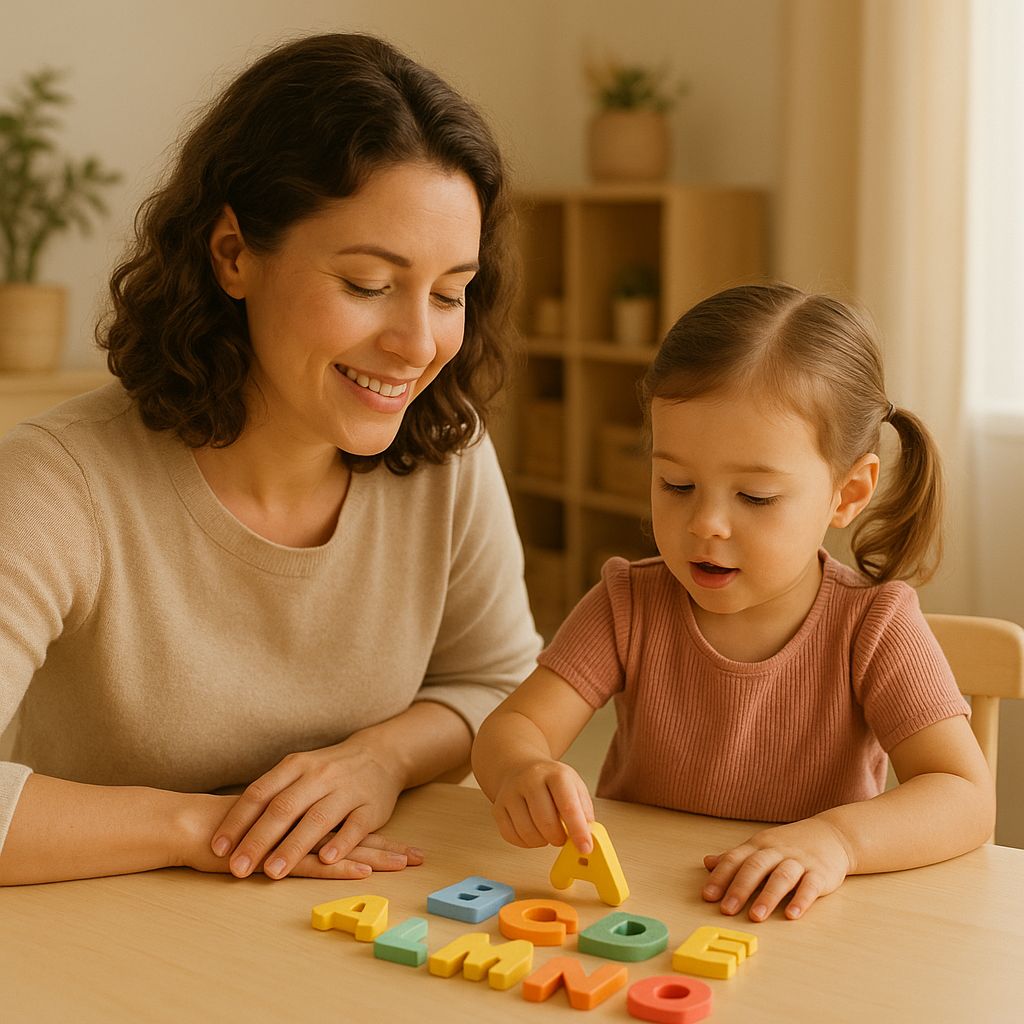

Simple Ways to Support Early Learning at Home
Early childhood is a time of remarkable growth and discovery. As parents and caregivers, you have an incredible opportunity to shape your child’s development by supporting early learning at home. The good news is, you don’t need a degree in education or expensive resources to make a lasting impact. With a nurturing environment, everyday interactions, and playful activities, you can lay a strong foundation for lifelong learning and curiosity.
Understanding Early Learning at Home
Early learning refers to the development of cognitive, language, social-emotional, and motor skills in children from birth to around age 8. Research shows that the home environment—the conversations, activities, and routines children experience—plays a critical role in shaping how they learn and adapt.
Supporting early learning at home means integrating educational opportunities into daily life, encouraging exploration, and fostering a love of learning that extends beyond the classroom.
Why Home Matters in Early Learning
Home is a child’s first classroom. The interactions and experiences children have with their family members form the basis for language, social skills, emotional regulation, and problem-solving abilities. Parental involvement during the early years is consistently linked to better academic achievement, self-esteem, and readiness for school.
Here’s why your role is so powerful:
- Consistency: Children thrive on predictable routines and familiar faces, which boost security and confidence.
- Personalization: You know your child’s interests, strengths, and needs better than anyone else.
- Opportunities for Practice: Everyday moments—like reading, playing, or helping with chores—are rich with learning potential.
Practical Ways to Support Early Learning at Home
Let’s explore simple, research-backed strategies you can use to nurture your child’s development, no matter their age or stage.
1. Prioritize Play-Based Learning
Play is the cornerstone of early childhood education. Through play, children experiment, solve problems, and develop social and emotional skills.
- Encourage Pretend Play: Dress-up, kitchen sets, or imaginative games help children understand the world and practice language.
- Offer Open-Ended Toys: Blocks, building sets, and art supplies inspire creativity and critical thinking.
- Join In: Get on the floor and play together—your involvement boosts engagement and learning.
2. Read Together Daily
Reading aloud is one of the most effective ways to build language and literacy skills. Make reading a cherished part of your routine:
- Choose Age-Appropriate Books: For infants, try sturdy board books with bright pictures. Toddlers love repetition and rhyme, while preschoolers enjoy stories with simple plots.
- Ask Questions: Pause to ask, “What do you think will happen next?” or “How does that character feel?”
- Follow Their Interests: Let your child pick books about animals, trucks, or favorite topics to keep them engaged.
3. Nurture Language and Communication
Conversations are powerful learning tools. Narrate your day, listen actively, and introduce new words in context.
- Talk About Everything: Describe what you see, hear, and do. For example, “We’re peeling the orange. The skin feels bumpy!”
- Sing Songs and Rhymes: Music helps children remember words and patterns.
- Encourage Storytelling: Ask your child to tell you about their drawings or make up stories together.
4. Integrate Learning Into Daily Routines
Everyday tasks are packed with teachable moments:
- Cooking: Measuring ingredients introduces math concepts like counting and volume.
- Laundry: Sorting clothes by color, size, or type teaches classification skills.
- Grocery Shopping: Ask your child to find items, compare prices, or identify letters on labels.
5. Create a Print-Rich Environment
Surround your child with words and letters:
- Label objects around the house (e.g., “chair,” “door,” “sink”).
- Display your child’s artwork and writing at their eye level.
- Keep books, magazines, and drawing supplies within easy reach.
6. Encourage Curiosity and Questions
Children are natural scientists. Foster their curiosity by embracing questions and exploring together.
- Go on nature walks and collect leaves, rocks, or flowers to examine at home.
- Set up simple science experiments, like mixing colors or observing what sinks or floats in water.
- Admit when you don’t know the answer—and look it up together!
7. Build Social-Emotional Skills
Learning is not just academic—it also involves managing feelings, relationships, and challenges.
- Model Empathy: Talk about emotions and how others might feel in different situations.
- Practice Problem-Solving: When conflicts arise, guide your child to brainstorm solutions.
- Celebrate Effort: Praise persistence, creativity, and trying new things, not just results.
8. Use Technology Thoughtfully
While hands-on experiences are best for young children, quality educational apps and videos can supplement learning.
- Choose programs that are interactive and age-appropriate.
- Co-view or play together to deepen understanding and conversation.
- Balance screen time with plenty of physical play and real-world exploration.
Tips for Creating a Learning-Friendly Home
Small changes in your environment and routines can make learning more accessible and enjoyable for your child.
- Set Up a Cozy Reading Nook: A corner with cushions and a basket of books invites daily reading.
- Organize Learning Materials: Keep puzzles, art supplies, and toys sorted so children can choose and put them away independently.
- Display Visual Schedules: Picture-based routines help young children anticipate what comes next.
- Rotate Toys and Books: Swap out materials every few weeks to spark renewed interest.
Adapting Strategies for Different Ages
Every child develops at their own pace. Here are some age-tailored ideas:
Infants (0-12 months)
- Respond warmly to coos and babbles.
- Provide safe objects for reaching, grasping, and mouthing.
- Sing lullabies and nursery rhymes.
Toddlers (1-3 years)
- Read the same favorite books repeatedly.
- Offer stacking toys, puzzles, and crayons for fine motor practice.
- Play naming games (“Can you find something red?”).
Preschoolers (3-5 years)
- Encourage pretend play with dolls, puppets, or action figures.
- Play simple board or card games to practice turn-taking and following rules.
- Explore letters and numbers through songs, puzzles, and everyday activities.
School-Age Children (6+ years)
- Ask open-ended questions about their day and interests.
- Support homework routines and offer praise for effort.
- Engage in family projects—like gardening, cooking, or building—to apply learning in real life.
Common Challenges and How to Overcome Them
Even the most motivated parents face obstacles. Here’s how to navigate common challenges:
- Lack of Time: Integrate learning into routines you already have—bath time, meals, or car rides.
- Limited Resources: Use everyday objects as learning tools—measuring cups, buttons, or recycled boxes.
- Multiple Ages at Home: Involve older children in teaching younger siblings, or set up parallel activities at different skill levels.
- Unwilling Participants: Follow your child’s lead and interests. If they resist, switch activities or revisit later—pressure can backfire.
When to Seek Extra Support
Every child develops at their own pace, but if you notice consistent challenges with communication, social interaction, or motor skills, consult your pediatrician or a child development specialist. Early intervention can make a significant difference.
Conclusion
Supporting early learning at home doesn’t require special training or expensive materials—just your time, attention, and willingness to nurture curiosity. By integrating educational activities into daily life and fostering a playful, supportive environment, you can help your child develop the skills and confidence they need to thrive. Remember, your love and engagement are the most powerful learning tools of all!
Frequently Asked Questions
- Why is early learning at home important?
- Early learning at home builds foundational skills in language, thinking, social-emotional development, and self-confidence. Home is a child’s first classroom—parental involvement during these years has a lasting positive impact on academic and life outcomes.
- What are some easy activities for early learning at home?
- Reading together, singing songs, playing with blocks, engaging in pretend play, and involving children in daily routines like sorting laundry or counting objects are simple yet powerful ways to support early learning.
- How can I create a learning-friendly environment at home?
- Designate a safe, inviting space for play and exploration, provide age-appropriate books and toys, and keep routines flexible but consistent. Most importantly, offer encouragement, ask open-ended questions, and celebrate effort.