Simple No-Prep Activities for Babies: Engaging Play with Zero Fuss
Parenting a baby comes with a whirlwind of new experiences—feeding, changing, soothing, and, of course, playing. But what if you don’t have time to set up elaborate sensory bins or dig through the toy chest for just the right gadget? Good news: No-prep activities for babies are not just possible—they’re magical moments waiting to happen, right here and now.
Why No-Prep Play Matters
Babies learn best through connection, repetition, and simple interactions. No-prep activities require nothing but your presence and a sprinkle of creativity. These moments help boost brain development, encourage motor skills, and deepen parent-baby bonds—all without stress or extra cleanup.
Top Simple No-Prep Activities for Babies
Ready to play? Here’s a treasure trove of effortless ideas you can try anytime, anywhere.
1. Face Time
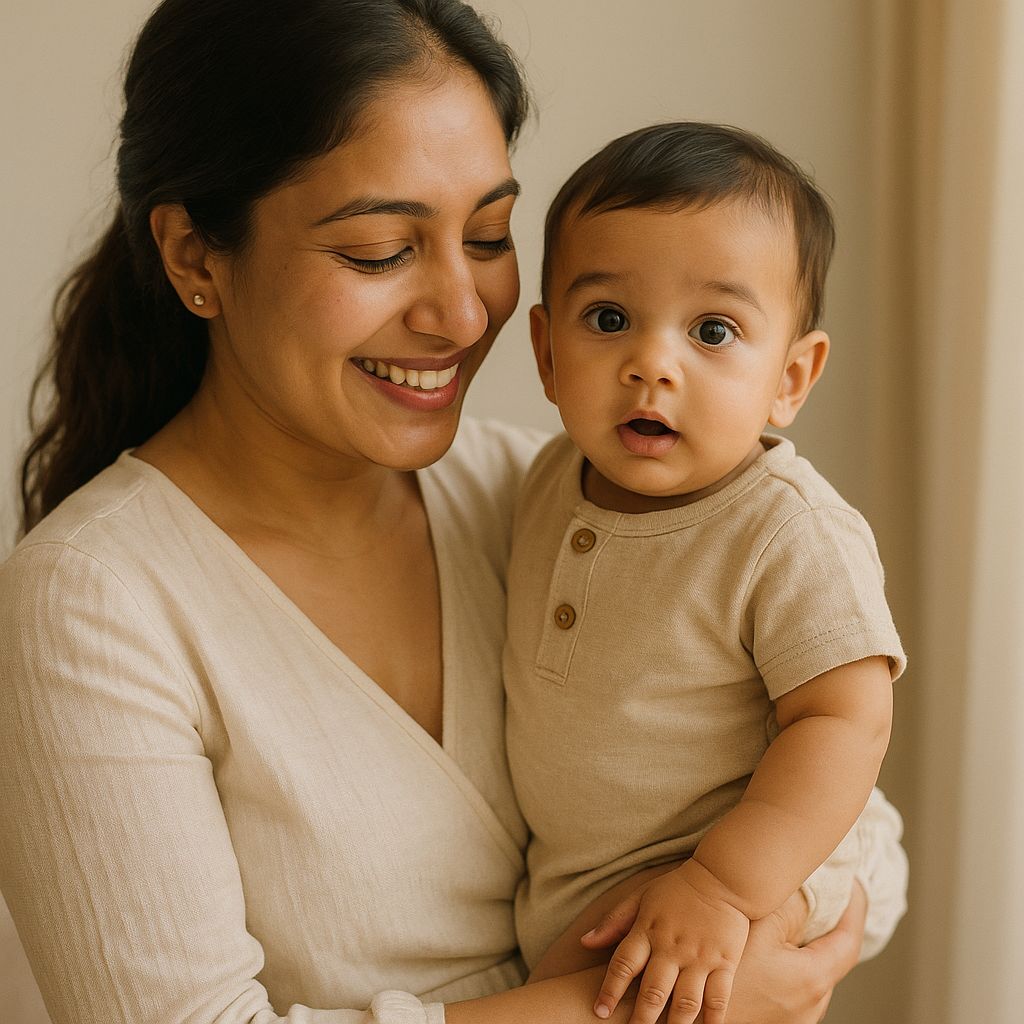
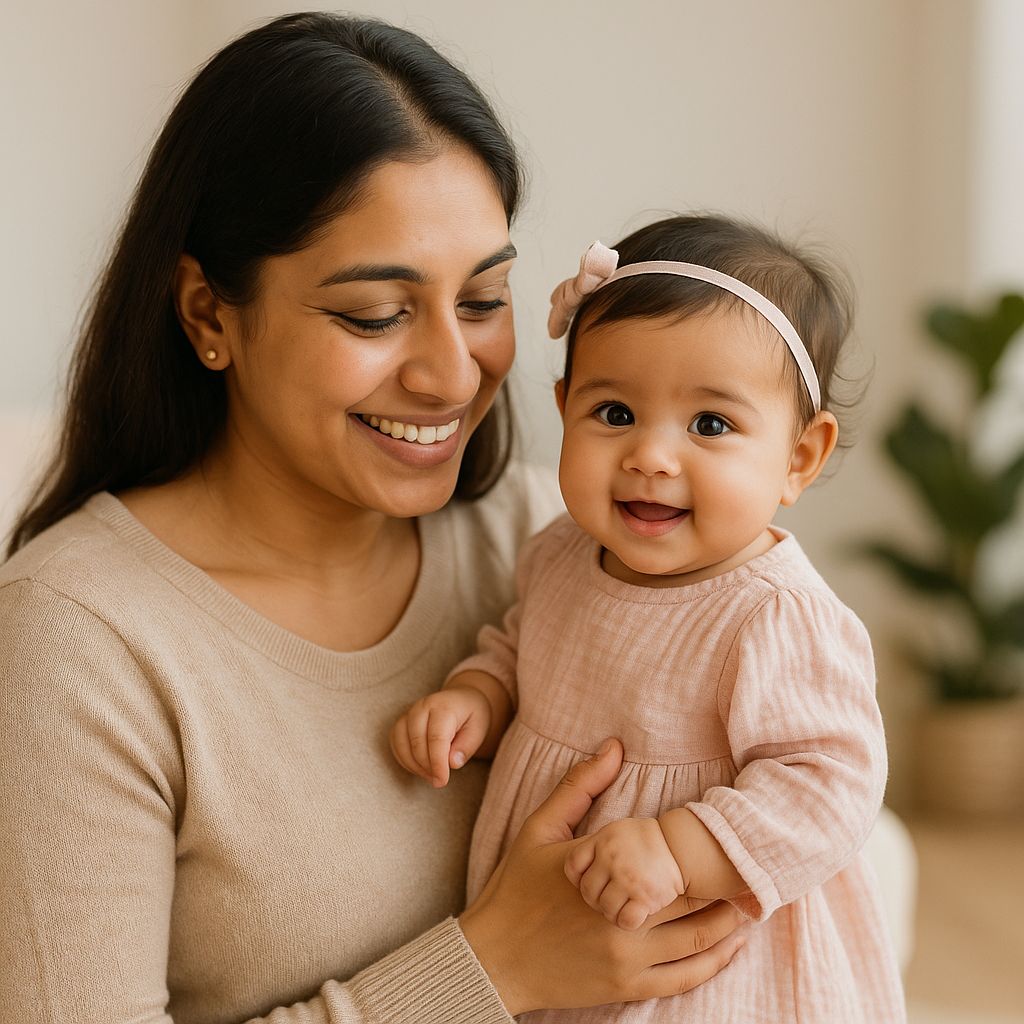
Babies are fascinated by faces. Just cuddle your little one and make silly faces—smile, stick out your tongue, open your eyes wide. Watch how they try to mimic you or light up at your expressions. This simple activity supports social-emotional development and helps your baby learn about communication and emotions.
2. Peekaboo Magic
Peekaboo never gets old! Hide your face behind your hands or a cloth, then pop out with a big smile. Babies learn about object permanence—understanding that things still exist even when they can’t see them. Plus, it’s guaranteed to spark giggles.
3. Nursery Rhyme Time
Singing classic nursery rhymes like “Twinkle, Twinkle Little Star” or “The Wheels on the Bus” is a fantastic way to engage your baby. Bonus points for gentle hand motions or bouncing your baby in rhythm. Music boosts language skills and soothes fussiness.
4. Mirror Play
Hold your baby in front of a mirror and let them marvel at their own reflection. Point to features (“There’s your nose!”) or make faces together. Mirrors fascinate babies and help with self-awareness.
5. Gentle Massage
After bath time or before bed, use gentle strokes on your baby’s arms, legs, and tummy. Talk softly about what you’re doing. Infant massage can relax your baby, strengthen your bond, and even aid digestion.
6. Tummy Time (Anywhere)
Lay your baby on their tummy—on a play mat, your chest, or a blanket on the floor. Place a favorite object just out of reach. Tummy time is vital for building neck and upper body strength, setting the stage for rolling, crawling, and sitting.
7. Talking Tour
Carry your baby around the house and narrate what you see. “Here’s the window, look at the tree! Now we’re in the kitchen.” This running commentary introduces new words and helps your baby connect sounds to objects.
8. Finger Play Fun
Try finger rhymes like “Itsy Bitsy Spider” or “This Little Piggy.” Even a newborn will enjoy the gentle touch and rhythmic movement. These activities nurture fine motor skills and listening abilities.
9. Sensory Exploration
Let your baby gently touch different safe household textures—a soft scarf, a cool spoon, or a crinkly bag. Always supervise closely! Simple sensory exploration builds brain connections and helps babies learn about their world.
10. Dance Party
Hold your baby securely and sway to your favorite music. Babies love movement, and dancing together can calm fussiness, encourage vestibular development (balance), and just feel joyful.
11. Story Time
Any time is a good time for reading! Grab a book and read aloud, even if your baby just chews the edges or looks at the pictures. The sound of your voice and the rhythm of language are what matter most.
12. Hand and Foot Games
Count your baby’s fingers and toes, play “pat-a-cake,” or gently clap their hands together. These little games help with body awareness and coordination.
13. Window Watching
Snuggle up with your baby and look out the window together. Describe what you see—cars driving by, birds flying, leaves moving in the breeze. It’s a calm way to introduce your baby to the world beyond your home.
14. Blowing Bubbles
If you have bubbles handy, blow a few for your baby to watch. Even newborns are mesmerized by floating bubbles, and older babies love reaching for them. If you’re outside, you can simply blow gentle raspberries on your baby’s tummy for a similar effect!
How to Make the Most of No-Prep Play
- Follow your baby’s lead: Watch for cues that they’re interested, overstimulated, or ready for something new.
- Repeat favorites: Babies love predictability and repetition. Don’t be afraid to play the same game again (and again!).
- Limit distractions: Put your phone away and focus on your baby—they’ll notice and respond to your undivided attention.
- Mix up your routine: Try different activities at different times of day—some are better for winding down, others for waking up.
Everyday Moments Are Play Opportunities
Remember, you don’t need Pinterest-perfect setups or expensive toys to make your baby’s day. Every diaper change, feeding, or walk around the block is a chance to connect, talk, and play. Little moments add up to big learning and lots of love.
Developmental Benefits of No-Prep Activities for Babies
These simple activities support every area of your baby’s growth:
- Cognitive development: Learning cause and effect, object permanence, and problem-solving.
- Language development: Hearing new words, learning rhythms, and practicing sounds.
- Motor skills: Grasping, reaching, kicking, and building muscle strength.
- Social-emotional growth: Building trust, joy, and a sense of security.
Zero-Prep, All the Love
At the end of the day, your baby doesn’t need elaborate plans—they need you. Try a few of these no-prep activities and watch your little one light up with wonder. You might be surprised at how much fun you both have, with zero stress and all the giggles.
Frequently Asked Questions About No-Prep Activities for Babies
- Why are no-prep activities beneficial for babies?
- No-prep activities are beneficial because they allow parents to engage with their babies spontaneously, fostering bonding, supporting development, and fitting into busy schedules without the need for special supplies.
- How often should I do these activities with my baby?
- You can weave these activities into daily routines as often as you like. Babies thrive on repetition, so feel free to repeat favorites multiple times a day!
- Are these activities safe for all ages?
- The activities listed are designed for babies from newborn to 12 months, but always supervise your baby and adapt based on their developmental stage.
- Do I need any toys or equipment?
- No special toys or equipment are needed for these activities—just you, your baby, and everyday household items if desired.
- Can siblings join in these activities?
- Absolutely! Siblings can participate by singing, making faces, or gently interacting under adult supervision, making play more fun for everyone.
Final Thoughts
Simple, no-prep activities for babies aren’t just convenient—they’re some of the most memorable and meaningful moments you’ll share. Soak up those smiles, celebrate each milestone, and remember: the best toy your baby will ever have is you.