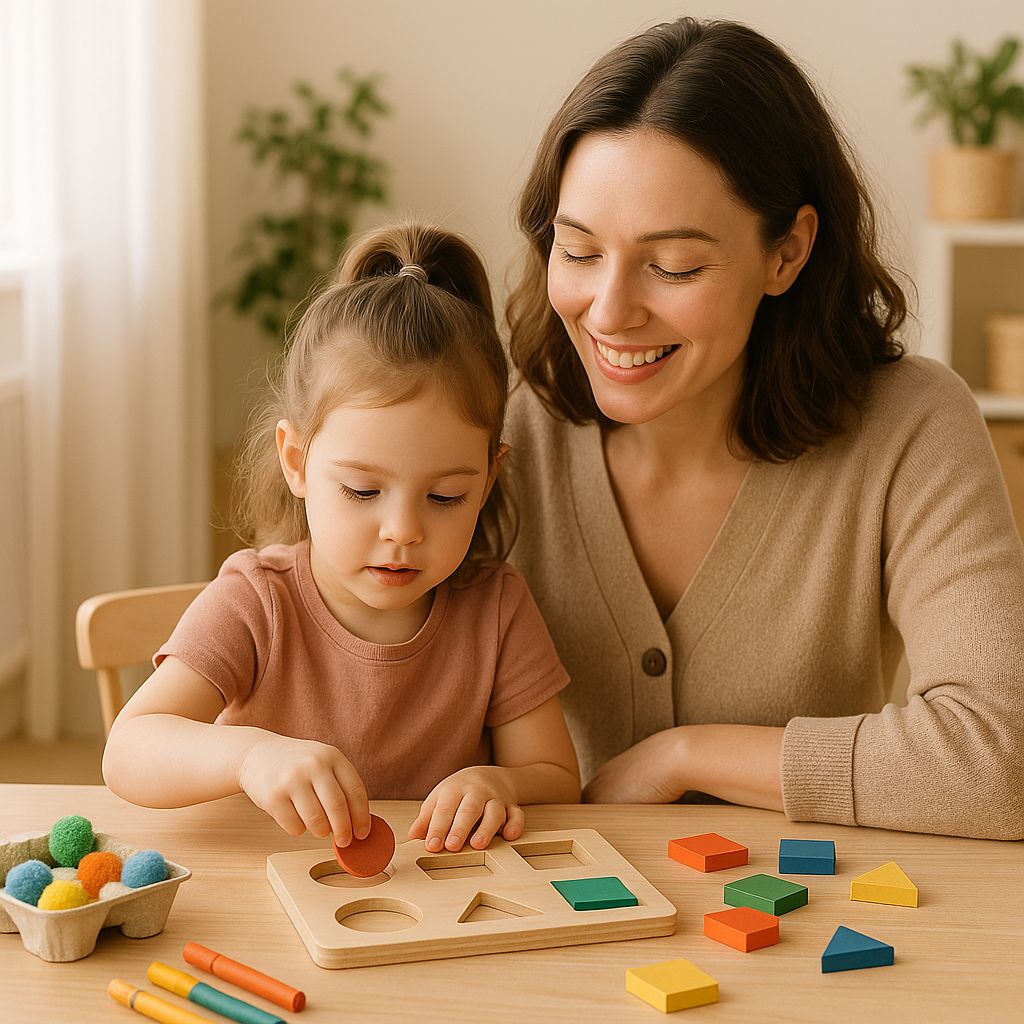

Simple DIY Learning Activities at Home: Boosting Your Child’s Growth Through Play
In today’s rapidly changing world, parents are increasingly seeking ways to nurture their children’s curiosity and intellect outside of traditional classroom settings. DIY learning activities at home offer the perfect solution—merging fun, creativity, and education through hands-on projects. These activities not only foster essential skills but also create meaningful family moments and a lifelong love for learning.
Why Choose DIY Learning Activities at Home?
DIY (Do-It-Yourself) learning activities are more than just crafts; they are carefully designed experiences that cater to your child’s developmental needs. Home learning activities allow you to:
- Tailor projects to your child’s interests and learning pace
- Use everyday materials, making them budget-friendly and accessible
- Encourage independent thinking, creativity, and problem-solving
- Strengthen the parent-child bond through collaborative play
- Reinforce concepts taught at school in a relaxed environment
Setting Up for Success: Tips Before You Begin
- Designate a Creative Space: Choose a space in your home where your child can explore freely and safely, such as the kitchen table or a corner in the living room.
- Gather Basic Supplies: Stock up on household essentials like paper, cardboard, markers, glue, tape, scissors, buttons, cups, and recyclables.
- Set Realistic Expectations: Focus on process over perfection. The goal is learning and enjoyment—not a flawless end product.
- Follow Your Child’s Lead: Observe your child’s interests and adapt activities accordingly to keep them engaged and motivated.
Top 12 Simple DIY Learning Activities at Home
1. Sensory Bins
What you need: Large container, rice/dry beans/pasta, small toys, scoops, measuring cups.
Benefits: Develops fine motor skills, introduces early math concepts, and encourages imaginative play.
How to do it: Fill a container with your chosen filler. Hide small toys or objects for your child to find, scoop, and sort.
2. Homemade Playdough Science
What you need: Flour, salt, water, vegetable oil, food coloring.
Benefits: Teaches basic chemistry, enhances creativity, and strengthens hand muscles.
How to do it: Involve your child in measuring and mixing ingredients. Discuss how combining them creates a new substance—playdough!
3. Nature Scavenger Hunt
What you need: Printed scavenger hunt list, bag or basket.
Benefits: Encourages observation, promotes outdoor activity, and introduces scientific classification.
How to do it: Create a list of items (leaves, twigs, rocks) for your child to find in the backyard or park. Discuss each find.
4. DIY Alphabet and Number Cards
What you need: Index cards, markers.
Benefits: Builds literacy and numeracy skills, aids memory, and supports early reading readiness.
How to do it: Write letters or numbers on cards. Play matching, sequencing, or simple math games.
5. Cardboard Construction Challenge
What you need: Cardboard boxes, tape, markers, scissors.
Benefits: Stimulates engineering thinking, spatial awareness, and creativity.
How to do it: Challenge your child to build a bridge, house, or robot using only cardboard and tape. Discuss what worked and why.
6. Kitchen Chemistry: Volcano Eruptions
What you need: Baking soda, vinegar, food coloring, plastic bottle, tray.
Benefits: Demonstrates chemical reactions, fosters curiosity about science, and allows safe experimentation.
How to do it: Place the bottle on a tray, fill with baking soda, add food coloring, then pour in vinegar and watch the eruption!
7. Story Stones
What you need: Smooth stones, paint or markers.
Benefits: Promotes storytelling, language development, and creative thinking.
How to do it: Decorate stones with images (animals, people, objects). Use them to inspire stories or sequencing games.
8. Color Sorting Games
What you need: Colored objects (blocks, buttons), muffin tin or bowls.
Benefits: Teaches color recognition, categorization, and counting.
How to do it: Encourage your child to sort objects by color into the correct containers.
9. Water Play with Measuring Cups
What you need: Basin of water, measuring cups, spoons, small toys.
Benefits: Introduces concepts of volume, measurement, and cause-and-effect.
How to do it: Let your child scoop, pour, and experiment with different containers. Ask questions like, "Which cup holds more?"
10. Recycled Art Projects
What you need: Recyclable materials (bottles, boxes, caps), glue, paint, tape.
Benefits: Fosters environmental awareness, creativity, and fine motor skills.
How to do it: Challenge your child to create a robot, animal, or sculpture using recyclables.
11. Shadow Tracing
What you need: Paper, toys, sunlight or lamp, pencils.
Benefits: Explores light and shadow, improves hand-eye coordination, and encourages observation.
How to do it: Place a toy on paper in the sun or under a lamp. Trace its shadow and color in the shapes.
12. DIY Board Games
What you need: Cardboard, markers, dice, small objects for game pieces.
Benefits: Reinforces math, literacy, and social skills (taking turns, following rules).
How to do it: Design a simple board game together. Use math questions or vocabulary as part of the game play.
Integrating Learning Into Daily Routines
Beyond structured activities, spontaneous learning moments abound at home:
- Cooking Together: Involve your child in reading recipes, measuring ingredients, and discussing nutrition.
- Gardening: Teach about plant life cycles, responsibility, and observation.
- Household Chores: Assign age-appropriate tasks to build independence and math skills (like sorting laundry by color or counting socks).
- Music and Movement: Sing songs, dance, and use rhythms to support language and motor development.
Adapting Activities for Different Ages
DIY learning activities can be tailored to your child’s stage:
- Toddlers (1-3 years): Focus on sensory play, simple sorting, and large muscle movements.
- Preschoolers (3-5 years): Introduce early literacy, more complex art, and science exploration.
- Early Elementary (6-8 years): Engage in projects that require planning, problem-solving, and teamwork.
Encouraging a Growth Mindset Through Play
As you guide your child through these activities, emphasize effort, curiosity, and resilience. Celebrate mistakes as learning opportunities and encourage questions like “What did you notice?” or “How can we try this differently?” This approach nurtures a growth mindset, which is essential for lifelong learning and adaptability.
Resources for Further Inspiration
- Growing Giggles Activity Library
- PBS Parents
- National Geographic Kids
- Scholastic Parents
- Kids Activities Blog
Conclusion
Simple DIY learning activities at home are powerful tools to support your child’s growth. With a little creativity and everyday materials, you can transform your home into a vibrant learning environment—where curiosity is nurtured, skills are developed, and family bonds are strengthened. Remember, the most important ingredient is your enthusiasm and willingness to explore together. Happy learning!
Frequently Asked Questions
- What are some benefits of DIY learning activities at home?
- DIY learning activities at home help children develop problem-solving skills, boost creativity, improve motor skills, and strengthen the parent-child bond. They also make learning fun and memorable.
- How can I create effective learning activities with limited materials?
- Many educational activities use everyday items like paper, cardboard, kitchen utensils, and recyclables. With a little creativity, you can design engaging projects that teach essential concepts.
- Are these activities suitable for different age groups?
- Yes! Most activities can be adjusted in complexity to suit toddlers, preschoolers, and early elementary children. Always supervise and adapt based on your child’s interests and abilities.
- How often should I plan DIY learning activities?
- Aim for a balance—incorporate one or two structured activities per week, while encouraging spontaneous learning through daily routines and free play.