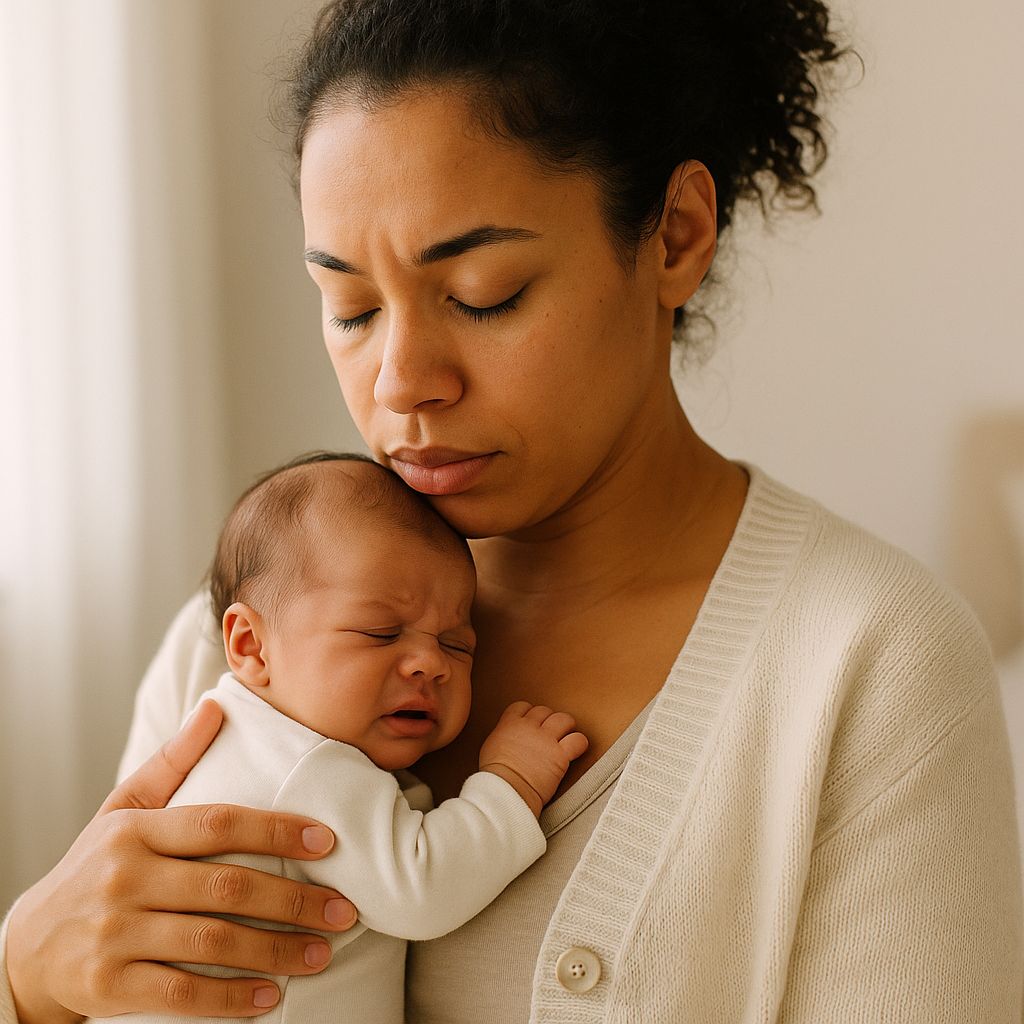

Signs Your Newborn Needs More Comfort and Attention: A Clinical Guide for Parents
Newborns are incredibly complex, communicating their needs through subtle cues. While feeding, sleep, and diaper changes are essential, comfort and attention play equally critical roles in supporting healthy emotional and physiological development. Understanding the signs that your newborn needs more comfort and attention empowers parents to respond effectively and nurture secure attachment.
The Science of Comfort and Attention in Newborns
Research in developmental psychology and pediatrics underscores the importance of responsive caregiving. Studies indicate that newborns benefit from consistent, attuned parental responses, which foster emotional regulation and promote brain development (Ainsworth, 1979; Feldman, 2007). Comforting behaviors – such as skin-to-skin contact, gentle rocking, and attentive interaction – are foundational to the parent-infant bond and have lasting effects on social and cognitive outcomes.
Key Signs Your Newborn Needs More Comfort and Attention
- Excessive or Unsoothable Crying: Crying is a primary communication method. If your newborn cries even after feeding, changing, and sleep, they may be signaling distress or a need for comfort. According to research, responsive soothing reduces stress hormone levels and supports emotional regulation (Gunnar & Quevedo, 2007).
- Restlessness or Trouble Settling: Newborns who have difficulty settling after basic needs are met may require extra closeness. Restlessness can manifest as flailing limbs, arching back, or frequent startle reflexes.
- Seeking Eye Contact and Physical Closeness: Babies often seek eye contact, reach out, or nestle into caregivers when in need of attention. These behaviors are early attempts at social engagement and signal a desire for connection.
- Whimpering, Grunting, or Fussing: Subtle vocalizations such as whimpering and grunting can precede full-blown cries. These cues suggest discomfort or an unmet need for soothing.
- Changes in Feeding Patterns: Newborns may feed more frequently or less effectively when seeking comfort rather than nutrition. Comfort nursing or "cluster feeding" is common and reflects a need for closeness.
- Clinginess or Difficulty Being Put Down: Some newborns resist being placed in a bassinet or crib, preferring to be held. This behavior is rooted in evolutionary survival mechanisms and is not indicative of spoiling.
- Altered Sleep Patterns: Fragmented sleep or difficulty falling asleep may signal a need for increased comfort, particularly in the absence of other medical factors.
- Facial Expressions and Body Language: Grimacing, furrowing brows, or trembling lips can indicate distress. Observing these nonverbal cues is key to understanding your newborn's emotional state.
- Withdrawal or Overstimulation: Some newborns become overwhelmed by noise, light, or activity and respond by averting gaze, arching their back, or becoming unusually quiet. In these cases, gentle comfort helps them self-regulate.
Responsive Parenting: Clinical Recommendations
Clinical guidelines emphasize that responsive parenting – attending to cues promptly and consistently – is associated with improved outcomes. The American Academy of Pediatrics (AAP) recommends:
- Responding promptly to crying and distress signals
- Offering skin-to-skin contact to promote bonding and regulate body temperature
- Engaging in gentle touch, rocking, and soothing vocalizations
- Maintaining consistent routines to provide predictability
- Supporting breastfeeding or bottle-feeding on demand, not by rigid schedules
Why Comfort and Attention Matter
Comfort and attention are not luxuries; they are essential for newborn development. Studies show that infants who receive responsive care exhibit:
- Lower stress hormone levels (cortisol)
- Better sleep patterns
- Enhanced cognitive and social-emotional development
- Stronger parent-infant attachment
When to Seek Professional Help
While many signs are normal, persistent distress, inconsolable crying (over 3 hours per day), feeding difficulties, or poor weight gain warrant medical evaluation. Conditions such as colic, reflux, or underlying health issues may require intervention. Consult your pediatrician if you observe:
- Excessive crying that is not soothed by comfort measures
- Difficulty feeding or swallowing
- Lethargy or unusual quietness
- Fever, rash, or other signs of illness
Comforting Strategies Backed by Research
Evidence-based soothing techniques include:
- Skin-to-Skin Contact: Holding your newborn against your chest stabilizes heart rate, breathing, and temperature. Studies show skin-to-skin reduces crying and promotes bonding (Moore et al., 2016).
- Gentle Rocking: Rhythmic movement mimics womb sensations, calming newborns.
- Soft Vocalizations: Singing or humming soothes by providing auditory comfort.
- Swaddling: Provides a sense of security, but should be done safely to prevent overheating.
- White Noise or Shushing: Can replicate intrauterine sounds and aid sleep.
- Consistent Routines: Predictability in caregiving enhances emotional security.
Understanding Infant Cues: Beyond Crying
Newborns use a spectrum of cues to communicate:
- Rooting: Turning the head and opening the mouth, seeking comfort through feeding or sucking.
- Hand-to-Mouth Movements: A self-soothing behavior.
- Eye Contact: Seeking engagement and reassurance.
- Orientation Towards Caregiver: Moving head or body towards parent for closeness.
- Facial Grimaces: Indicate discomfort or emotional distress.
Parent-Infant Bonding: The Role of Attention
Attachment theory (Bowlby, 1982) emphasizes the critical role of caregiver responsiveness in emotional development. Secure attachment forms when infants consistently experience comfort and attention, leading to:
- Increased trust in caregivers
- Better stress management
- Improved future relationships
Myths About Comfort and Attention
Several misconceptions persist:
- Myth: "Responding to every cry spoils the baby."
Fact: Newborns cannot be spoiled. Early comfort fosters emotional health (Leach, 2017). - Myth: "Babies should learn to self-soothe early on."
Fact: Self-soothing develops over time. Consistent comfort builds the foundation for self-regulation.
Tips for Managing Parental Stress
Responsive caregiving can be demanding. Strategies to manage stress include:
- Sharing caregiving duties with partners or trusted family
- Seeking support from parenting groups or professionals
- Practicing mindfulness and self-care
- Understanding normal newborn behaviors to set realistic expectations
Summary Table: Signs Your Newborn Needs More Comfort
| Sign | Possible Cause | Recommended Response |
|---|---|---|
| Excessive crying | Discomfort, emotional need | Skin-to-skin, gentle rocking, soft vocalizations |
| Restlessness | Need for closeness | Hold, cuddle, swaddle |
| Clinginess | Seeking security | Respond promptly, avoid prolonged separation |
| Altered sleep | Emotional distress | Consistent routines, comfort measures |
| Facial grimaces | Physical or emotional discomfort | Observe, comfort, consult pediatrician if persistent |
Conclusion
Understanding and responding to your newborn's need for comfort and attention is a cornerstone of responsive parenting. Attuned caregiving not only supports immediate well-being but also fosters lifelong emotional and cognitive health. By recognizing key signs and implementing evidence-based soothing strategies, parents can nurture secure attachment and resilience from the earliest days of life.
References
- Ainsworth, M.D.S. (1979). Infant-mother attachment.
- Bowlby, J. (1982). Attachment and loss.
- Feldman, R. (2007). Parent–infant synchrony and the development of emotion regulation.
- Gunnar, M., & Quevedo, K. (2007). The neurobiology of stress and development.
- Leach, P. (2017). Your Baby & Child: From Birth to Age Five.
- Moore, E.R., Anderson, G.C., Bergman, N., & Dowswell, T. (2016). Early skin-to-skin contact for mothers and their healthy newborn infants.
- American Academy of Pediatrics. (2021). Caring for Your Baby and Young Child: Birth to Age 5.