
Signs Your Baby Is Ready for Solid Foods: A Comprehensive Guide for Parents
Introducing solid foods is one of the most exciting milestones in your baby's first year. As a parent, you might be eager to begin, but knowing precisely when your infant is ready is crucial for their health, development, and safety. This guide will help you identify the signs your baby is ready for solid foods, navigate the transition, and foster healthy eating habits that lay the foundation for lifelong nutrition.
Why Timing Matters: The Importance of Solid Food Readiness
Solid foods offer essential nutrients that support your baby's growth, particularly iron and zinc, which become increasingly important around six months of age. However, introducing solids too early can increase the risk of choking, digestive issues, and even allergies. Waiting for developmental readiness ensures your baby can safely and effectively handle new textures, flavors, and eating experiences.
When Are Babies Ready for Solid Foods?
The American Academy of Pediatrics recommends introducing solids around six months, but readiness is based on individual development rather than age alone. Most infants show signs between 4 to 6 months, but some may need a little longer. Recognizing your baby's cues is the best way to approach this transition.
Key Signs Your Baby Is Ready for Solid Foods
- Good Head and Neck Control: Your baby can keep their head upright and steady without support. This is vital for safe swallowing.
- Ability to Sit Upright with Support: Babies should be able to sit with minimal assistance, which helps prevent choking and promotes better feeding.
- Loss of Tongue-Thrust Reflex: The tongue-thrust reflex is a natural mechanism that pushes food out of the mouth. Its disappearance means your baby can move food to the back of the mouth and swallow.
- Interest in Food: Your baby reaches for food, watches you eat, opens their mouth when offered a spoon, or mimics chewing movements.
- Increased Appetite: Babies who seem unsatisfied after breast or formula feeds, or who demand more frequent feeds, may be ready for solids.
- Doubling of Birth Weight: Many experts recommend waiting until your baby has doubled their birth weight, typically around six months.
Understanding Each Sign in Detail
Head and Neck Control
Safe swallowing relies on your baby's ability to hold their head steady. You can test this by sitting your baby on your lap and observing their posture during feeding. If they slump or their head wobbles, it's best to wait a few weeks and try again.
Sitting Upright
Sitting upright enables your baby to swallow effectively and reduces the risk of choking. Use a high chair or supportive seat designed for infants, and never feed your baby in a reclined position.
Loss of Tongue-Thrust Reflex
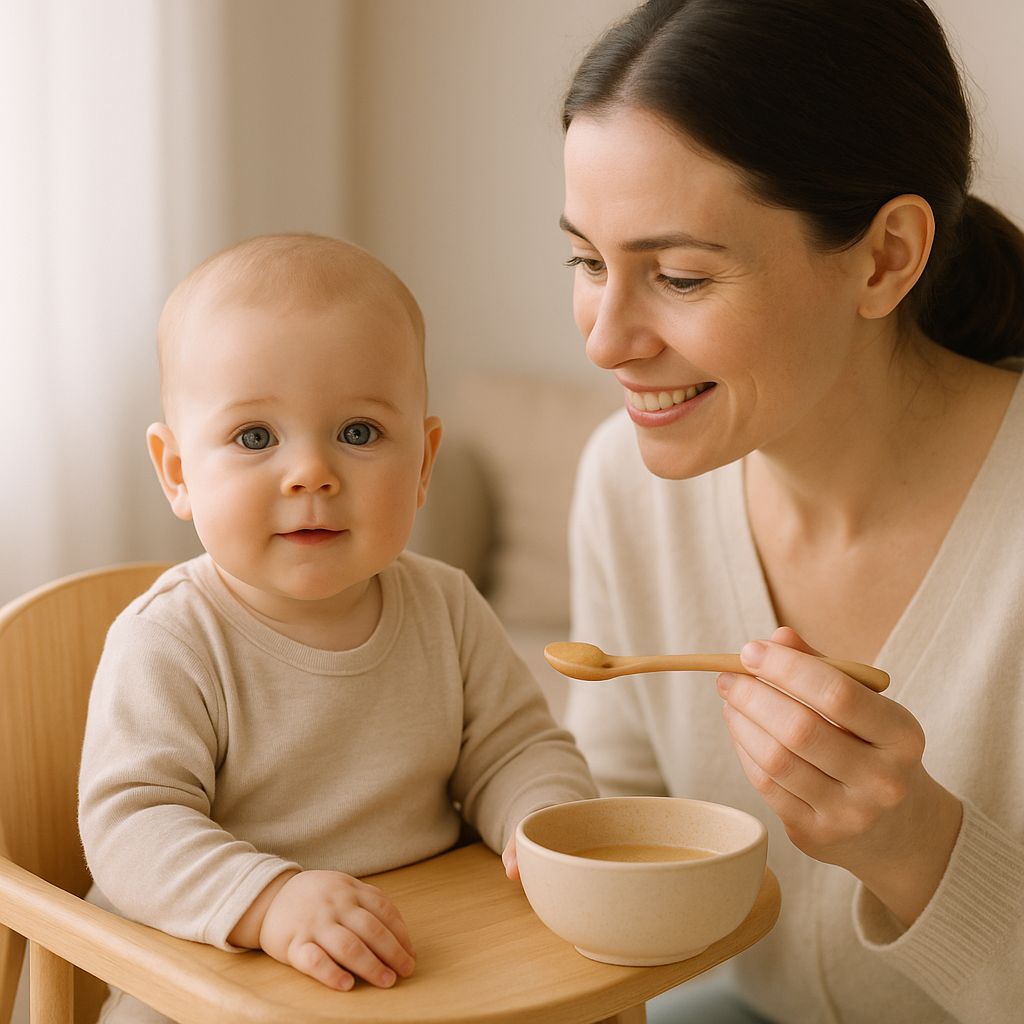
This reflex is present in newborns to prevent choking. As it fades, your baby will stop pushing food out with their tongue. You can check by offering a small spoonful of pureed food; if your baby pushes it out repeatedly, they may not be ready yet.
Interest in Food
Babies express readiness by watching intently as you eat, grabbing at food, or opening their mouth when a spoon approaches. These behaviors show your baby is curious and eager to try new tastes.
Increased Appetite and Doubling Birth Weight
Although not absolute indicators, increased hunger and reaching twice their birth weight suggest your baby is ready for additional nutrients. If your baby shows these signs alongside developmental cues, it’s time to consider solids.
Common Myths About Starting Solids
- Myth: "Babies need solids at four months to sleep through the night."
Fact: Sleep patterns are unrelated to solid food introduction. Early solids may not improve sleep and can increase health risks. - Myth: "Cereal should be the first food."
Fact: Iron-rich foods (like meats or legumes) are excellent first foods; single-grain cereals are safe but not mandatory. - Myth: "If my baby grabs food, they are ready for solids."
Fact: Grabbing food is just one sign; developmental readiness is more important.
How to Start: Tips for Introducing Solids
- Choose the Right Foods: Begin with iron-rich, single-ingredient foods such as pureed meats, vegetables, or iron-fortified cereals.
- Offer One New Food at a Time: Introduce each new food every 3-5 days to watch for allergic reactions.
- Use the Right Texture: Start with smooth purees and gradually move to thicker textures as your baby improves their chewing and swallowing skills.
- Feed Responsively: Watch your baby’s cues; stop feeding if they turn away or lose interest.
- Minimize Distractions: Create a calm feeding environment without screens or toys.
- Maintain Breastfeeding or Formula: Solids complement—not replace—milk feeds in the first year.
Foods to Avoid in the First Year
- Honey: Risk of botulism.
- Cow’s Milk: Not suitable as a main drink until after 12 months.
- Choking Hazards: Whole grapes, nuts, popcorn, chunks of food.
- Added Salt and Sugar: Avoid processed foods with added salt and sugar.
Recognizing Food Allergies and Intolerances
Introduce common allergens (such as eggs, peanuts, dairy, soy, fish, and wheat) one at a time. Watch for signs such as hives, vomiting, diarrhea, or difficulty breathing. If your baby has a family history of allergies or eczema, consult your pediatrician before introducing these foods.
What if My Baby Refuses Solid Foods?
It’s normal for babies to reject new foods initially. Persistence and patience are key. Offer the same food multiple times, and avoid pressuring your baby. Encourage exploration by letting your baby touch and smell the food. If refusal persists, reassess readiness signs and consult your pediatrician if needed.
Frequently Asked Questions
What is the best age to introduce solid foods to my baby?
Most babies are ready around six months, but look for developmental cues rather than relying solely on age.
What are the first foods I should offer my baby?
Iron-rich, single-ingredient foods like pureed meats, cereals, and vegetables are recommended.
How do I know if my baby is not ready for solids?
If your baby cannot sit upright, has poor head control, or pushes food out with their tongue, wait a few weeks before trying again.
Can I offer water or juice when starting solids?
Small quantities of water are safe after six months. Avoid juice due to sugar content.
How can I safely introduce allergens?
Introduce allergens one at a time and observe for reactions. Consult your pediatrician if your baby is at risk.
When to Consult Your Pediatrician
If you are unsure about your baby’s readiness, have concerns about growth or feeding, or notice signs of allergic reactions, always consult your healthcare provider. They can provide personalized guidance based on your baby's needs.
Summary: Your Baby’s Journey to Solid Foods
Introducing solids is a gradual process unique to every baby. By watching for signs such as head control, the ability to sit with support, loss of the tongue-thrust reflex, and interest in food, you can ensure a safe and positive feeding experience. Start with nutrient-rich foods, be patient, and enjoy this exciting stage in your baby’s development. Remember, readiness matters more than age, and your pediatrician is your best partner for guidance.
References
- American Academy of Pediatrics. "Starting Solid Foods." AAP Website.
- CDC. "When, What, and How to Introduce Solid Foods." CDC Website.
- World Health Organization. "Complementary Feeding." WHO Website.