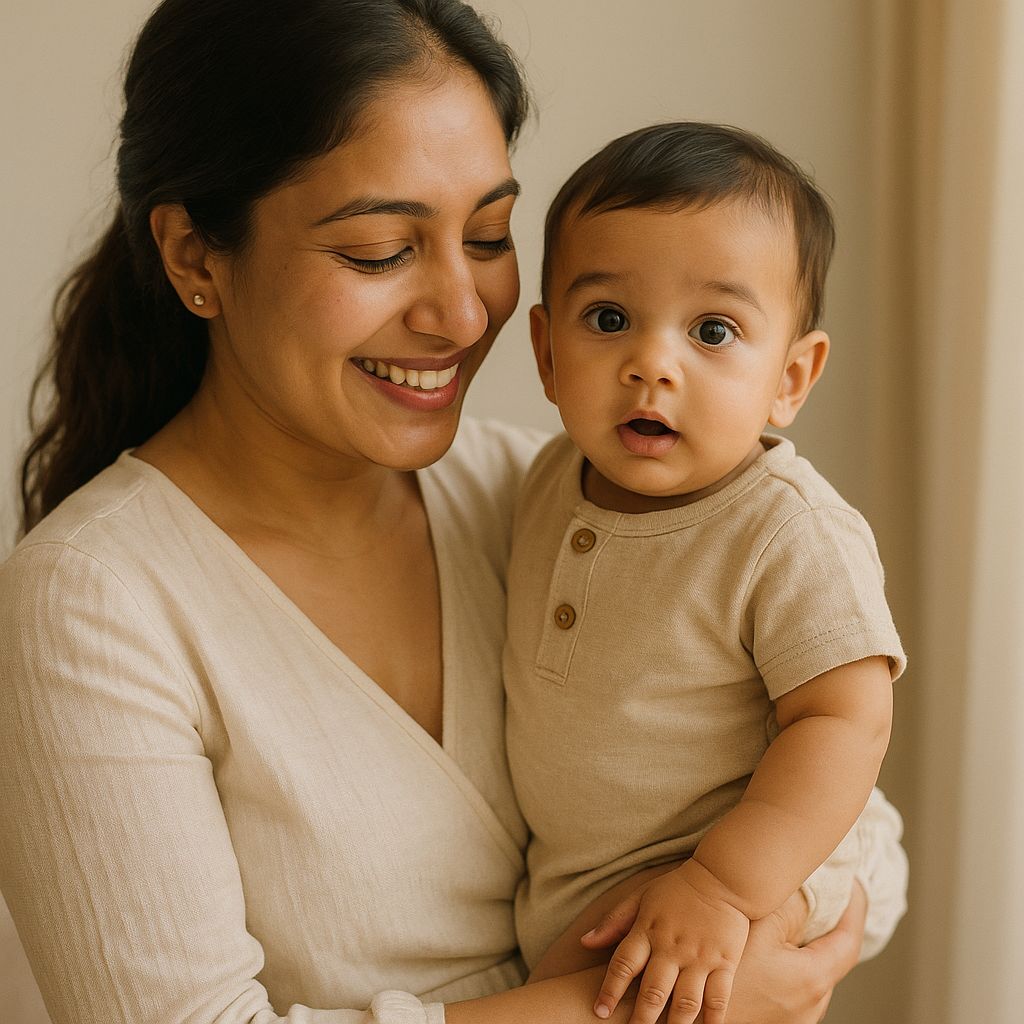

Signs of Strong Cognitive Development in Babies: What Parents Should Look For
Every parent marvels at the rapid growth and change their baby undergoes in the first year of life. Among the most fascinating transformations is cognitive development—the unfolding of thinking, learning, memory, and problem-solving skills. Understanding the signs of strong cognitive development in babies empowers parents to nurture their child's growing mind, recognize milestones, and support lifelong learning.
Understanding Cognitive Development in Infancy
Cognitive development refers to the mental processes by which babies acquire knowledge, understand their environment, and begin to make sense of the world. It encompasses:
- Sensory awareness
- Memory formation
- Problem-solving
- Language acquisition
- Attention and focus
These abilities are shaped by both genetics and environment, making early experiences and parental interaction crucial to nurturing strong cognitive skills.
Key Signs of Strong Cognitive Development in Babies
While every child develops at their own pace, there are universal signs that indicate robust cognitive growth. Recognizing these can help parents celebrate achievements and identify areas where additional stimulation might be beneficial.
1. Alertness and Curiosity
Babies demonstrating strong cognitive development are often highly alert and curious about their surroundings. They:
- Track moving objects with their eyes
- Show interest in new people and toys
- React to unfamiliar sounds or sights
This curiosity signals a developing ability to observe, process, and learn from the environment.
2. Early Problem-Solving
Even in infancy, babies begin exhibiting problem-solving skills. Signs include:
- Trying different ways to reach for a toy
- Attempting to uncover hidden objects
- Manipulating objects to achieve a goal
This experimentation demonstrates the baby’s capacity to think, plan, and execute actions.
3. Rapid Memory Formation
Strong cognitive development is marked by memory skills such as:
- Recognizing familiar faces and voices
- Reacting to routines (e.g., anticipating feeding times)
- Remembering how certain toys work
Early memory formation is fundamental to learning and emotional attachment.
4. Effective Communication Attempts
Babies with robust cognitive development often:
- Babble, coo, or make sounds to express needs
- Respond to parental speech with vocalizations or gestures
- Use eye contact, smiles, or frowns to communicate emotions
These communication attempts are precursors to language acquisition and social interaction.
5. Attention and Focus
The ability to concentrate, even briefly, is a sign that the baby’s brain is processing information. Look for:
- Intense focus on toys or faces
- Following a moving object for several seconds
- Listening intently to music or voices
Focused attention is a precursor to learning and academic success later in life.
Cognitive Milestones by Age
While every baby is unique, pediatricians and child development experts have identified milestones that typically occur within certain age ranges:
0-3 Months
- Looks at faces and follows objects with eyes
- Responds to familiar voices
- Shows interest in contrasting patterns
3-6 Months
- Reaches for toys and brings hands to mouth
- Recognizes caregivers and different sounds
- Begins to babble and mimic sounds
6-9 Months
- Finds partially hidden objects (object permanence)
- Passes objects from one hand to another
- Shows preferences for certain toys
9-12 Months
- Uses gestures like pointing or waving
- Understands simple words like “no” or their name
- Explores objects in different ways (shaking, banging, throwing)
Behaviors That Indicate Strong Cognitive Skills
Beyond milestones, certain behaviors signal advanced cognitive development:
- Imitation: Babies who copy gestures, facial expressions, or sounds are actively learning through observation.
- Anticipation: Expecting a toy or food after hearing cues demonstrates memory and prediction.
- Persistence: Repeatedly trying to reach or manipulate objects shows determination and problem-solving.
- Interest in Cause and Effect: Dropping toys to see what happens or pressing buttons to produce sounds illustrates understanding of consequences.
How Parents Can Foster Cognitive Development
Parents are a baby’s first and most important teachers. Creating a nurturing, stimulating environment can maximize cognitive growth:
1. Talk and Read Aloud
Regularly speaking to your baby, narrating daily activities, and reading picture books encourages language development and comprehension.
2. Provide Age-Appropriate Toys
Toys that invite exploration—such as rattles, soft blocks, textured objects, and interactive books—help babies learn about their environment.
3. Encourage Exploration
Allowing your baby to safely explore different spaces, objects, and textures builds confidence and cognitive skills.
4. Respond to Your Baby’s Cues
Attentive interaction, responding to babbles, gestures, and expressions, reinforces communication and emotional security.
5. Play Interactive Games
Games like peek-a-boo, pat-a-cake, and object hiding stimulate memory, anticipation, and social interaction.
Red Flags: When to Seek Professional Guidance
While some variation is normal, parents should consult their pediatrician if their baby consistently:
- Does not make eye contact or smile by six months
- Shows little curiosity or interest in surroundings
- Does not respond to sounds or familiar voices
- Fails to engage in simple play (e.g., reaching for toys)
Early intervention can make a significant difference in addressing developmental concerns.
Cultural and Environmental Influences on Cognitive Development
Cognitive development is shaped by genetics, but environmental factors play a crucial role:
- Parental Interaction: Babies thrive when caregivers provide consistent, responsive attention.
- Stimulation: Exposure to varied sights, sounds, and experiences fosters learning.
- Nutrition: Adequate nutrition supports brain growth and function.
- Safety and Stability: Secure environments promote exploration and confidence.
Celebrating Cognitive Growth: Each Baby's Unique Journey
It's important to remember that every baby develops at their own pace. Comparing children can lead to unnecessary worry. Instead, focus on providing love, stimulation, and support—celebrating each new milestone as it comes.
Expert Tips for Supporting Cognitive Development
- Maintain eye contact and smile during interactions
- Engage in daily routines that include talking and singing
- Offer toys that encourage exploration and problem-solving
- Encourage gentle touch and exploration of different textures
- Limit screen time and prioritize hands-on play
Frequently Asked Questions
What are early signs of strong cognitive development in babies?
Early signs include alertness, curiosity, tracking objects, responsive smiles, and attempts to communicate. These indicators show the baby is actively processing and interacting with their environment.
How can parents encourage cognitive development in infants?
Parents can encourage cognitive growth by talking to their baby, reading aloud, providing stimulating toys, and allowing exploration in safe environments. Engaging in regular play and responding to cues is key.
When should parents be concerned about cognitive development delays?
If a baby consistently misses major milestones (such as not making eye contact, not responding to sounds, or showing little curiosity) after six months, parents should consult with their pediatrician for guidance.
Conclusion
Strong cognitive development in babies is a remarkable journey characterized by curiosity, memory, problem-solving, and early communication. By recognizing the signs, understanding milestones, and providing nurturing environments, parents lay the foundation for lifelong learning. Celebrate your baby's progress, trust their unique pace, and consult professionals when needed—your support is the key to unlocking their fullest potential.