Signs of Healthy Social Development in Babies: What Parents Should Know
Babies are born wired for connection. From the very first moments of life, they begin to engage with the world around them, laying the foundation for healthy social and emotional development. As a parent or caregiver, understanding the signs of healthy social development in babies can empower you to nurture these essential skills and identify when additional support may be needed.
Why Is Social Development Important in Infancy?
Social development refers to a child’s ability to form relationships, interpret social cues, and express emotions appropriately. In infants, social skills are closely intertwined with emotional development, influencing how they bond with caregivers, handle stress, and eventually interact with peers. Early social experiences shape brain architecture, language acquisition, and future learning abilities.
Key Signs of Healthy Social Development in Babies
While every baby is unique, there are common milestones that indicate healthy social development during the first year. Here’s what to look for at each stage:
1. Newborns (0-2 Months)
- Eye Contact: Newborns begin to focus on faces and make eye contact, especially with caregivers.
- Soothing Response: Babies calm down when picked up or spoken to by a familiar person.
- Recognition of Voices: Infants turn toward familiar voices and seem comforted by their parents’ presence.
2. Young Infants (2-6 Months)
- Social Smiling: Babies start smiling in response to faces and voices, a clear sign of social engagement.
- Imitation: Infants begin to mimic facial expressions such as sticking out the tongue or opening the mouth wide.
- Expressing Emotions: Babies show excitement, delight, or distress through coos, squeals, or frowns.
3. Older Infants (6-12 Months)
- Preference for Familiar People: Babies show attachment to caregivers, may reach for them, and become upset when separated.
- Stranger Anxiety: Around 8-9 months, babies may become wary of unfamiliar faces, indicating recognition of known vs. unknown people.
- Responsive Gestures: Babies wave, clap, or reach out to others during play.
- Joint Attention: Babies start to follow a caregiver’s gaze or point to objects of interest, sharing experiences together.
Social Development Milestones: A Closer Look
Let’s break down some of the most important milestones in baby social development and what they mean:
Eye Contact and Facial Recognition
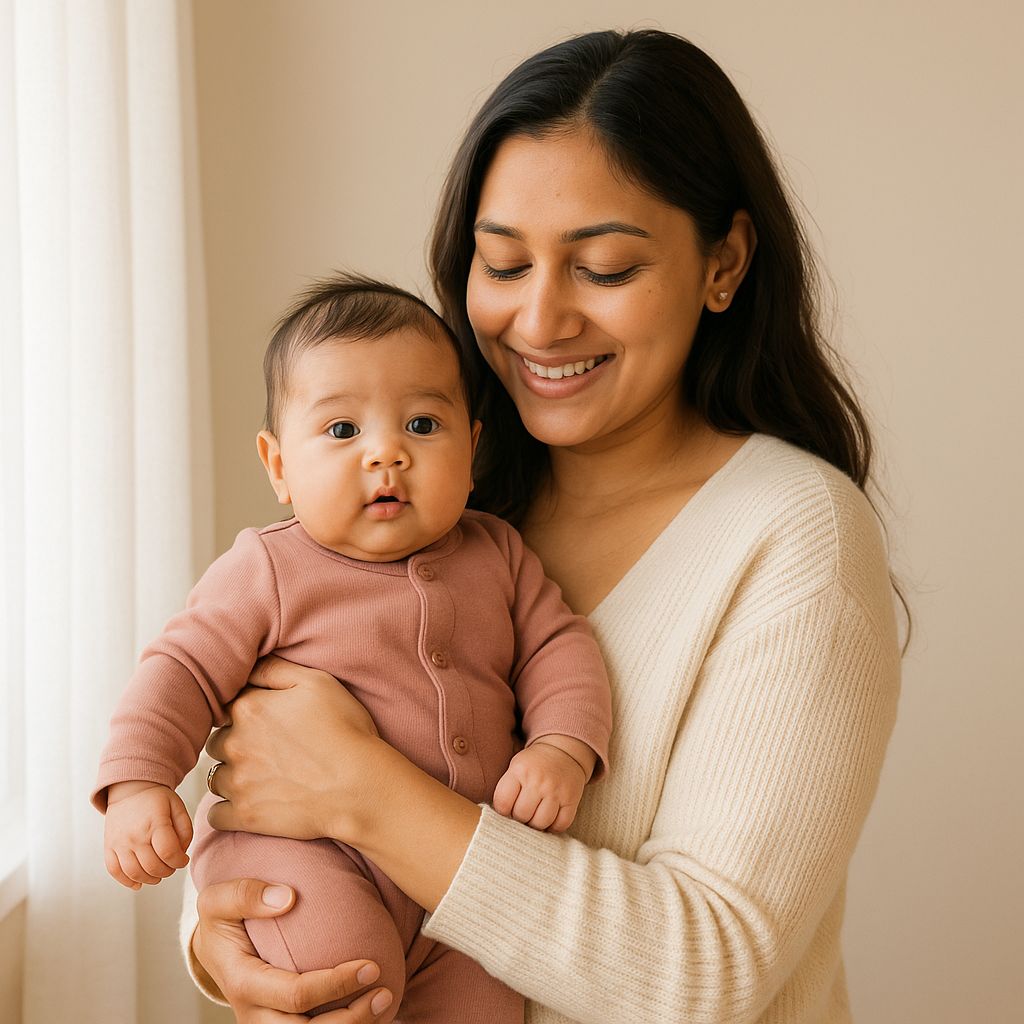
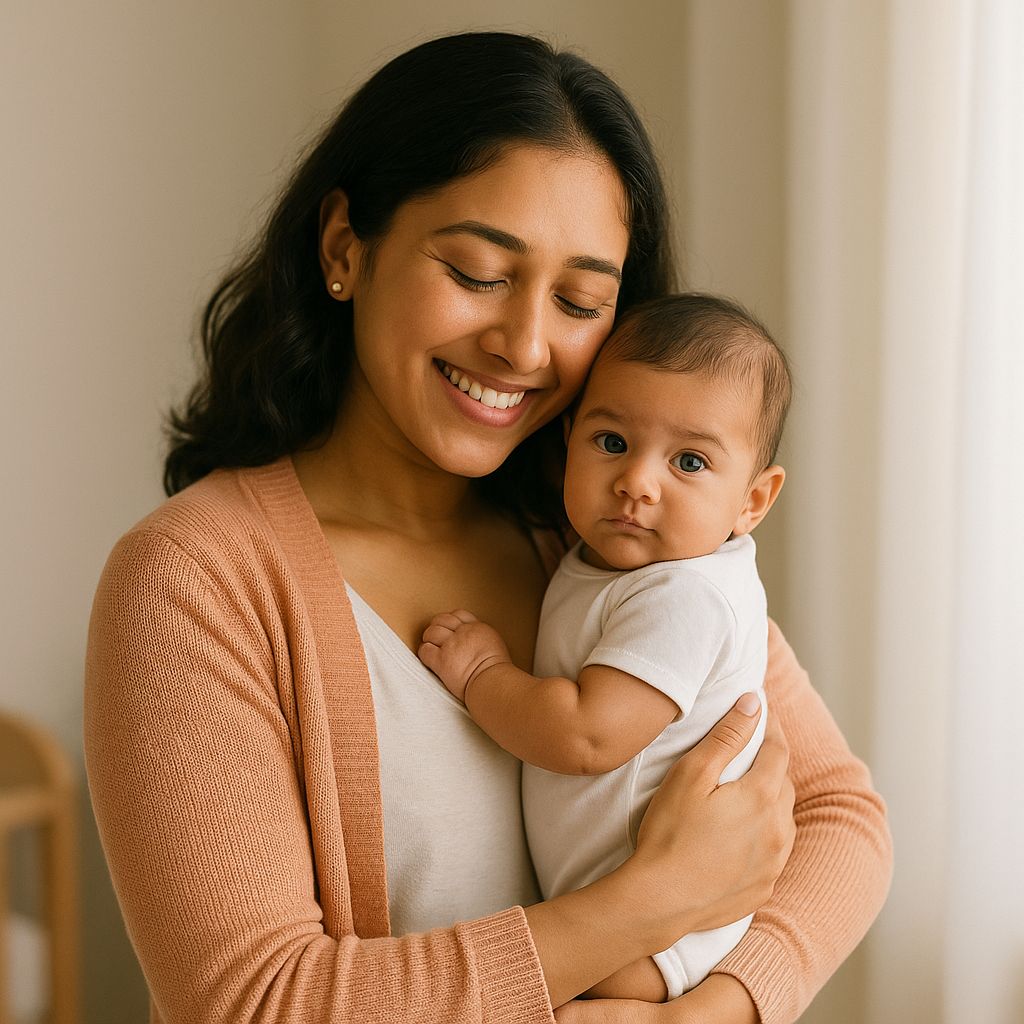
Eye contact is one of the earliest forms of social connection. Babies learn to read emotional cues from faces, and frequent eye contact supports bonding, trust, and communication. Smiling back at a parent’s grin or gazing intently during feeding times are strong indicators of healthy engagement.
Social Smiles and Expressive Communication
Between 6-8 weeks, many babies begin to smile intentionally at caregivers. This “social smile” is a critical sign that your baby is recognizing and responding to social cues. Over time, babies add coos and giggles, using their voices to interact and express joy.
Attachment and Separation Responses
Healthy social development includes forming secure attachments. Babies who reach for a parent, calm down when held, or cry when separated are showing the emotional bonds necessary for future relationships. Stranger anxiety, though sometimes challenging for parents, is a normal part of this process.
Imitation and Shared Attention
Imitating sounds, gestures, or expressions is how babies learn about social interaction. By following a parent’s gaze or pointing at objects, infants practice “joint attention,” a foundational skill for language and learning.
How Parents Can Support Social and Emotional Development
Parents and caregivers play an essential role in nurturing healthy social development. Here are some ways to foster your baby’s growth:
- Be Responsive: Respond promptly to your baby’s cries, coos, and gestures. Consistent responses help your baby feel safe and understood.
- Engage in Face-to-Face Interaction: Hold your baby close, make eye contact, and smile often. Babies thrive on seeing faces and mirroring expressions.
- Talk, Sing, and Read: Narrate your activities, sing lullabies, and read picture books. The sound of your voice and shared attention build social and language skills.
- Play Interactive Games: Simple games like peek-a-boo or pat-a-cake teach turn-taking and anticipation, reinforcing social bonds.
- Encourage Exploration: Give your baby safe opportunities to observe and interact with new people, places, and objects.
- Model Emotional Expression: Express your own emotions with words and facial cues. This teaches your baby about feelings and empathy.
When to Seek Guidance: Recognizing Potential Concerns
While all babies develop at their own pace, certain signs may suggest a need for further evaluation. Consult your pediatrician if your baby:
- Rarely makes eye contact or does not respond to faces by 2-3 months.
- Does not smile socially by 3 months.
- Shows little interest in interaction or rarely vocalizes.
- Does not respond to their name or familiar voices by 9 months.
- Does not imitate gestures or expressions by 12 months.
Early intervention can make a significant difference in your child’s development. Trust your instincts and seek support if you have concerns.
Social Development and Future Growth
Strong social skills in infancy lay the groundwork for later success in school, friendships, and emotional wellbeing. Children who feel secure and connected are more likely to explore, learn, and adapt to new experiences. Healthy social development also supports:
- Language Acquisition: Babies who engage with caregivers develop stronger communication skills.
- Emotional Regulation: Secure attachment helps children manage stress and express feelings appropriately.
- Empathy and Cooperation: Early social experiences teach babies to recognize emotions in others and practice sharing or turn-taking.
Frequently Asked Questions
- What are the first signs of social development in babies?
- The earliest signs include making eye contact, responding to familiar voices, smiling socially, and beginning to imitate facial expressions.
- How can I encourage social development in my baby?
- Talk, sing, and play with your baby daily, respond to their cues, and engage in face-to-face interactions to nurture connection and trust.
- When should I be concerned about my baby’s social development?
- If your baby rarely makes eye contact, doesn’t smile by three months, or shows little interest in interaction, consult your pediatrician for guidance.
- Are social development milestones the same for all babies?
- Every baby develops at their own pace. While there are general milestones, some variation is normal. Persistent delays should prompt a conversation with your healthcare provider.
- How does social development affect future learning?
- Strong early social skills support language acquisition, emotional regulation, and healthy relationships, forming the basis for successful learning and adaptation in later childhood.
Conclusion
Healthy social development is a journey that begins in the earliest days of life. By recognizing the signs of healthy social development in babies, engaging in nurturing interactions, and seeking support when needed, parents lay the foundation for their child’s emotional and social success. Remember, every baby is unique—celebrate each milestone as your child grows and connects with the world around them.