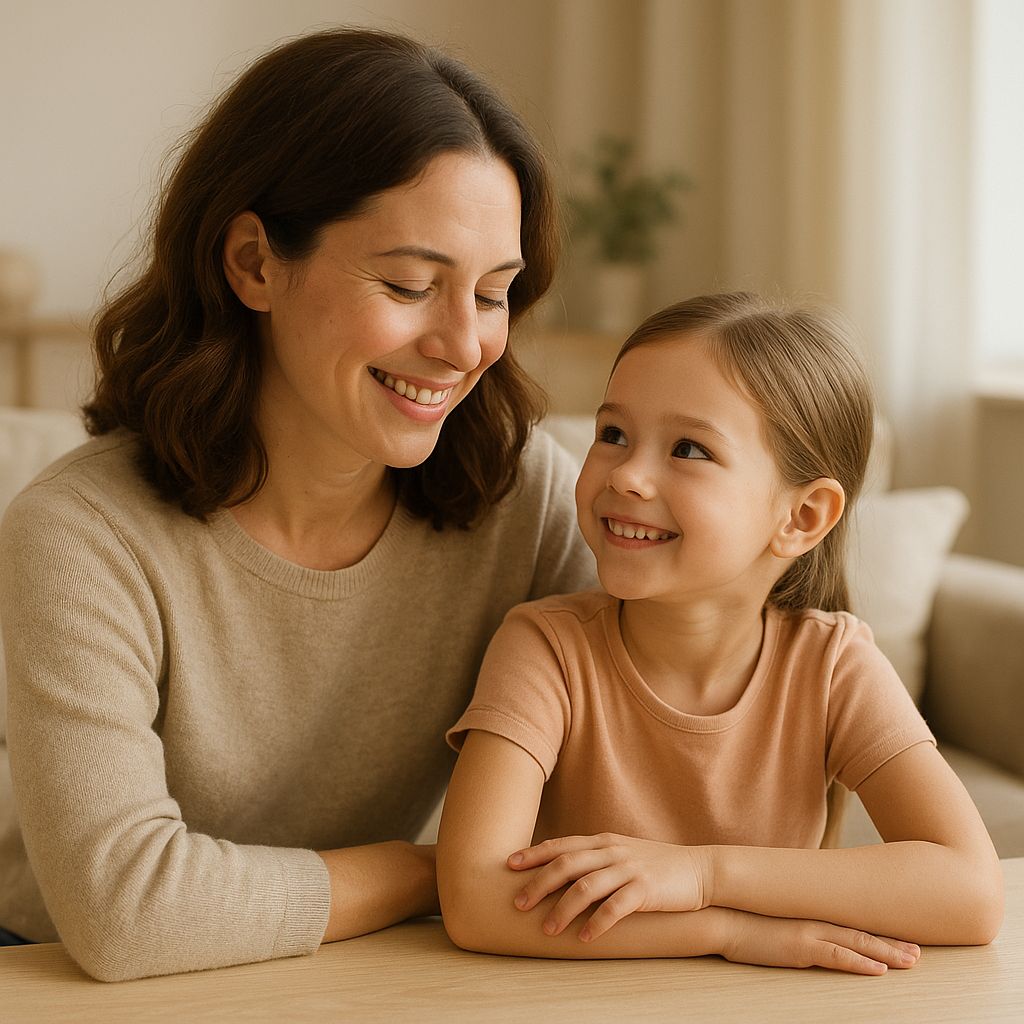

Signs of Healthy Emotional Development: What Every Parent Should Know
Emotional development is a foundational aspect of a child's overall growth. It influences how children perceive themselves, interact with others, and navigate the complexities of life. As parents, recognizing the signs of healthy emotional development is essential for providing the support and guidance your child needs to thrive. This comprehensive guide explores the key signs, milestones, and practical strategies for nurturing healthy emotional development in children.
Understanding Emotional Development
Emotional development refers to the process by which children learn to understand, express, and manage their feelings. It also encompasses how they develop empathy, form relationships, and build resilience to life's challenges. This process starts in infancy and continues throughout adolescence, laying the foundation for adult emotional health.
Why Emotional Development Matters
Healthy emotional development is directly linked to:
- Resilience: The ability to cope with setbacks and adapt to changes.
- Empathy: Understanding and relating to others' feelings.
- Self-esteem: Developing a positive self-image and confidence.
- Social skills: Building strong and meaningful relationships.
Children who achieve emotional milestones are better equipped for academic success, healthy friendships, and overall well-being.
Key Signs of Healthy Emotional Development
While every child is unique, there are universal signs that indicate healthy emotional development across age stages:
1. Self-Awareness
Children with healthy emotional development can recognize their own emotions. This awareness enables them to understand what they are feeling and why. For example, a preschooler might say "I'm sad because my friend moved away," demonstrating emotional insight.
2. Emotional Expression
Healthy emotional development is evident when children express their feelings appropriately and in age-appropriate ways. This includes both verbal and non-verbal communication. A toddler may cry when upset, while a teenager might discuss their feelings.
3. Emotional Regulation
Regulating emotions is a critical milestone. Children who can manage anger, disappointment, or excitement without overwhelming behavior demonstrate strong emotional skills. This includes using coping strategies, such as deep breathing or seeking comfort.
4. Empathy and Compassion
Empathy emerges as children grow, allowing them to recognize and respond to others' emotions. Signs include comforting a friend, sharing, or expressing concern when someone is hurt.
5. Building Relationships
Healthy emotional development supports positive social interactions. Children form friendships, cooperate, resolve conflicts, and show respect for others. They can both give and receive emotional support.
6. Adaptability
Emotionally healthy children adapt to new situations with resilience. They can cope with transitions, such as starting school or moving homes, by expressing their feelings and seeking support.
7. Independence
As children mature, they display age-appropriate independence. This includes making choices, solving problems, and managing tasks with confidence.
8. Positive Self-Esteem
Healthy emotional development fosters a strong sense of self-worth. Children believe in their abilities, accept challenges, and recover from failures.
9. Communication Skills
Children who are emotionally healthy can articulate their feelings, listen actively, and respond appropriately. They use language and body cues to express needs and negotiate solutions.
10. Problem-Solving Abilities
Emotionally developed children approach challenges with curiosity and persistence. They seek help when needed, brainstorm solutions, and learn from mistakes.
Emotional Development Milestones by Age Stage
While emotional development is continuous, certain milestones are expected at different age stages:
Infancy (0-2 Years)
- Attachment to caregivers
- Recognition and expression of basic emotions (e.g., joy, anger)
- Seeking comfort when distressed
Early Childhood (3-6 Years)
- Understanding and naming emotions
- Beginning empathy (e.g., comforting peers)
- Developing friendships and group play
- Learning basic coping strategies
Middle Childhood (7-12 Years)
- Complex emotional expression
- Advanced empathy and perspective-taking
- Conflict resolution skills
- Building self-esteem through achievements
Adolescence (13-18 Years)
- Greater emotional independence
- Identity formation and self-reflection
- Deepening relationships
- Managing stress and complex emotions
How Parents Can Support Healthy Emotional Development
Parents are the primary architects of their child's emotional landscape. Here are strategies to foster emotional growth:
Model Healthy Emotional Expression
Children learn by example. Express your own feelings openly and constructively. Use words to describe emotions and demonstrate coping strategies.
Provide a Safe and Supportive Environment
Consistent routines, clear boundaries, and unconditional love help children feel secure. A supportive environment encourages emotional exploration and expression.
Encourage Open Communication
Invite your child to share their feelings. Listen actively, validate their emotions, and avoid dismissing their concerns. Ask open-ended questions to foster dialogue.
Teach Problem-Solving and Coping Skills
Help your child brainstorm solutions to challenges. Teach them age-appropriate coping techniques, such as deep breathing, journaling, or talking with a trusted adult.
Promote Social Interaction
Arrange playdates, group activities, and family discussions. Social experiences build empathy, cooperation, and conflict resolution skills.
Validate Their Feelings
Acknowledge your child's emotions, even if you don't fully understand them. Let them know it's okay to feel sad, angry, or frustrated, and help them process these feelings.
Encourage Independence
Allow your child to make choices and solve problems independently. Support their efforts, celebrate successes, and provide guidance when needed.
Red Flags: When to Seek Help
While variations in emotional development are normal, persistent issues may warrant professional support. Watch for:
- Consistent difficulty regulating emotions
- Challenges forming relationships
- Persistent sadness, anxiety, or anger
- Withdrawal from social activities
- Regression in emotional milestones
If you notice these signs, consult your pediatrician or a child psychologist for guidance.
Frequently Asked Questions
- What are the main signs of healthy emotional development in children?
- Key signs include self-awareness, empathy, emotional regulation, strong communication skills, adaptability, positive relationships, and age-appropriate independence.
- How can parents support healthy emotional development?
- Parents can model healthy emotional expression, provide a safe environment, encourage open communication, validate feelings, and teach problem-solving skills.
- When should parents seek professional help for emotional development concerns?
- If a child consistently struggles with emotional regulation, social interactions, or shows persistent distress, parents should consult a pediatrician or child psychologist.
- Are emotional milestones the same for every child?
- No, each child develops at their own pace. While general milestones exist, variation is normal. Persistent deviations or regressions should be discussed with professionals.
Conclusion
Recognizing the signs of healthy emotional development empowers parents to nurture their child's growth with confidence. Emotional milestones are not only markers of childhood well-being—they are the building blocks for lifelong resilience, empathy, and self-esteem. By modeling healthy emotional behaviors, providing a supportive environment, and fostering open communication, parents lay the foundation for their child's future success.
If you have concerns about your child’s emotional development, remember that professional help is available. Early support can make a significant difference in your child’s emotional trajectory. For more expert advice on parenting and child development, visit Growing Giggles and explore our resources on growth and emotional health.