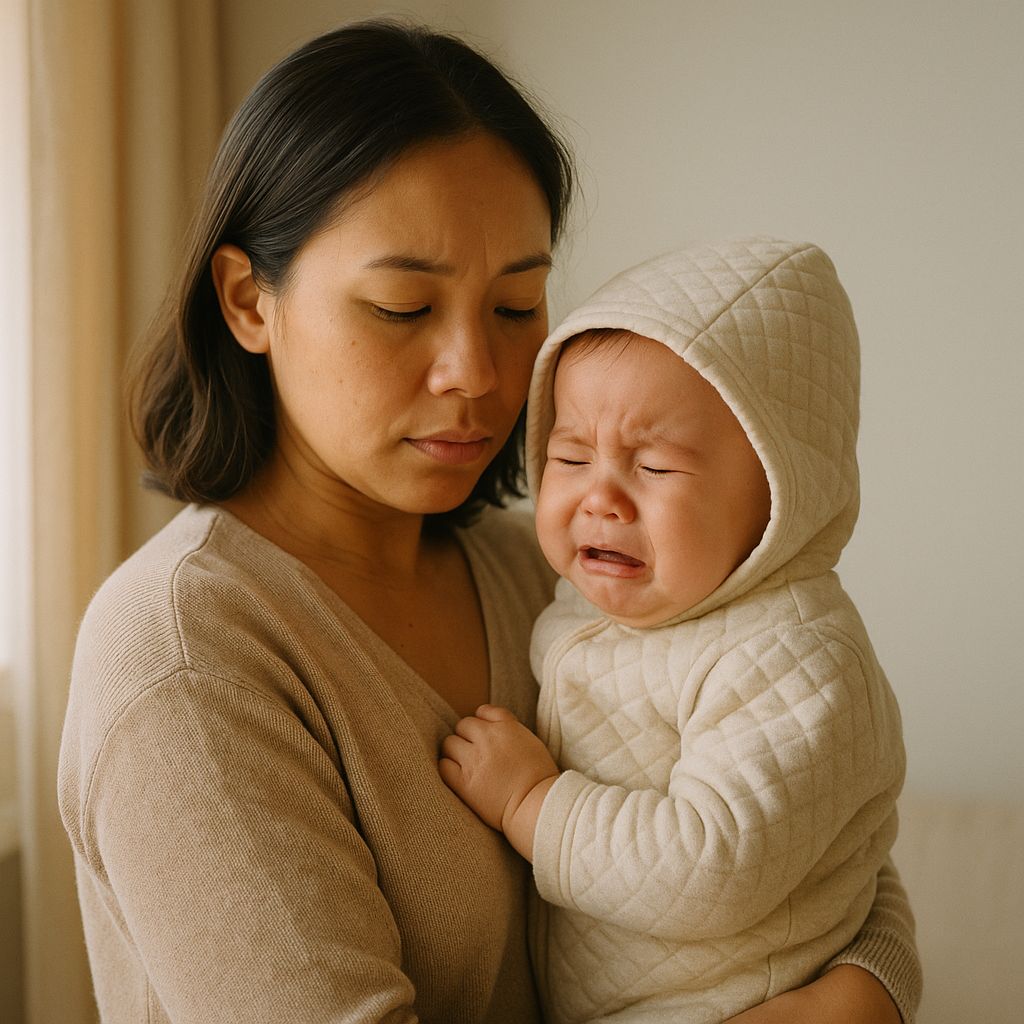

Signs Your Baby Is Not Adjusting to Weather Change
As the seasons shift, many parents notice changes in their baby’s mood, sleep, or overall health. Babies are especially sensitive to temperature, humidity, and atmospheric changes. While some little ones breeze through seasonal transitions, others may struggle. Recognizing the signs your baby isn’t adjusting to weather change is crucial for their comfort and health—and for your peace of mind.
Why Are Babies Sensitive to Weather Changes?
Unlike adults, babies can’t regulate their body temperature as effectively. Their skin is thinner, their sweat glands less mature, and their bodies are still learning how to respond to environmental shifts. Rapid changes in temperature or humidity can easily throw off their delicate equilibrium.
What Happens During Weather Transitions?
Whether it’s moving from warm summer days to chilly autumn nights or from dry air to humid monsoon, a baby’s body must adjust. Sometimes, these transitions are smooth. Other times, your baby might show signs of discomfort or struggle to adapt.
Key Signs Your Baby Is Not Adjusting to Weather Change
Here are some expert-backed signs to watch for during seasonal shifts:
- Disrupted Sleep Patterns: If your baby suddenly wakes more often, has trouble settling, or seems restless, temperature changes might be the culprit. Overheated or too-cold environments can make sleep elusive.
- Increased Irritability or Fussiness: Babies may become crankier if they’re uncomfortable. Excessive crying, clinginess, or trouble soothing may signal they’re struggling to adapt.
- Changes in Appetite: Some babies eat less or more during weather shifts. Loss of appetite, frequent spit-ups, or refusal to feed can be related to discomfort from temperature extremes.
- Skin Issues: Look for dry patches, redness, rashes, or chapped lips. Humidity and heat can trigger eczema or prickly heat, while cold weather can cause dryness.
- Breathing Difficulties: Cold air and sudden temperature drops can lead to nasal congestion or wheezing. Watch for labored breathing, persistent coughing, or unusual sounds.
- Unusual Lethargy: If your baby seems less active, uninterested in play, or abnormally sleepy, it could be a sign their body is struggling.
- Frequent Sneezing or Coughing: Sudden weather changes often bring about new allergens or irritants. Excessive sneezing or coughing can be a reaction.
- Changes in Diaper Output: Dehydration—more common in hot or dry weather—might show as fewer wet diapers. Always monitor for signs of dehydration.
Real-Life Example: Weather Change and Baby Discomfort
Take Maya, a six-month-old whose parents noticed she was unusually irritable as autumn approached. Her sleep was disrupted, she developed dry skin patches, and feeding became a struggle. After consulting their pediatrician, Maya’s parents learned these were classic signs of trouble adjusting to cooler, drier air. With a few changes, Maya was soon back to her giggly self.
Why These Signs Matter
Babies rely on parents to notice subtle changes. Left unchecked, discomfort can impact growth, sleep, and immune function. The sooner you recognize signs your baby isn’t adjusting to weather change, the sooner you can help.
Expert Tips: Helping Your Baby Adjust to Seasonal Transitions
- Dress in Layers: Layered clothing helps you adjust your baby’s warmth quickly. Remove or add a layer as needed—especially during sudden temperature swings.
- Maintain a Stable Indoor Environment: Use humidifiers in dry seasons, fans or air conditioning in hot weather, and keep rooms well-ventilated. Aim for temperatures between 68-72°F (20-22°C).
- Monitor Hydration: Offer breastmilk or formula more frequently during hot or dry conditions. Signs of dehydration include fewer wet diapers, sunken eyes, and dry mouth.
- Protect Skin: Use gentle moisturizers in dry conditions, avoid harsh soaps, and dress your baby in breathable fabrics.
- Adjust Sleep Routines: Make sure your baby’s room is comfortable and quiet. Consider blackout curtains for bright summer mornings or extra blankets in winter—always ensuring safety.
- Watch for Allergens: During weather changes, pollen, dust, and mold can increase. Clean surfaces regularly and keep windows closed during peak allergy times.
- Gradual Exposure: If you’re moving to a new climate or season, allow your baby to acclimate gradually. Short outdoor walks can help their body adjust.
- Consult Your Pediatrician: If signs persist or worsen, seek medical advice. Trust your instincts—parents know their baby best.
When to Call the Doctor
While mild discomfort is common, certain symptoms require prompt attention:
- Difficulty breathing or persistent wheezing
- High fever or chills
- Severe lethargy
- Signs of dehydration (dry mouth, fewer wet diapers, no tears when crying)
- Unexplained rash that spreads
If you notice any of these, don’t hesitate to reach out to your healthcare provider.
Seasonal Weather Change: What to Expect
Spring
Spring brings warmer weather and new allergens. Babies may experience more sneezing, skin irritation, or mild congestion. Dress your baby in breathable layers and monitor for reactions to pollen.
Summer
Heat and humidity can be tough. Watch for heat rash, dehydration, and disrupted sleep. Keep your baby cool, well-hydrated, and protected from the sun.
Autumn
Cooler air and drier conditions can lead to dry skin and nasal congestion. Use humidifiers, moisturizers, and dress your baby warmly—but avoid overheating.
Winter
Cold and indoor heating can dry out skin and mucous membranes. Monitor for chapped lips, dry patches, and ensure your baby is warm but safe during sleep.
Parenting Tips for Every Season
- Check the Room Temperature: Use a thermometer to keep your baby’s sleep environment comfortable.
- Stay Flexible: Be ready to adjust routines as the weather changes. Some babies need extra cuddles or shorter outdoor time.
- Stay Informed: Follow weather forecasts and allergy updates in your area.
- Trust Your Instincts: You know your baby best. If something feels off, you’re probably right.
Common Myths About Babies and Weather Change
- Myth: Babies are naturally more resilient to weather than adults.
Fact: Babies are actually more sensitive and rely on parents for comfort. - Myth: You should bundle up your baby in thick clothes during any cold spell.
Fact: Overheating is dangerous. Layer wisely and check for sweating or chills. - Myth: Weather-related fussiness means your baby is sick.
Fact: Discomfort doesn’t always mean illness, but monitor for persistent symptoms.
How to Track Weather-Related Changes in Your Baby
Keep a simple log of your baby’s sleep, feeding, and mood during weather transitions. Noticing patterns can help you pinpoint what’s causing discomfort—and what helps.
Expert Advice: Building Resilience in Babies
Babies gradually become more resilient to environmental changes as they grow. Encourage outdoor time when safe, maintain consistent routines, and offer lots of love. Over time, your baby will learn to adapt—and so will you!
Final Thoughts: Parenting Through Weather Change
Seasonal transitions are a challenge for everyone, especially the littlest members of the family. By tuning in to your baby’s cues, adjusting routines, and staying proactive, you can help your baby thrive through every weather shift. Remember, you’re not alone—reach out to fellow parents and health professionals if you need support.
Frequently Asked Questions
- What are the most common signs my baby isn’t adjusting well to weather change?
- Disrupted sleep, excessive crying, skin irritations, changes in appetite, and breathing difficulties are common signs. If symptoms persist, consult your pediatrician.
- How can I help my baby cope with extreme weather changes?
- Dress your baby in layers, maintain a stable indoor environment, ensure proper hydration, and monitor for signs of discomfort. Gradually acclimate your baby to new conditions.
- When should I seek medical advice for my baby’s weather-related symptoms?
- Seek medical advice if your baby has persistent symptoms, severe fussiness, difficulty breathing, fever, or signs of dehydration. Trust your instincts as a parent.
Resources
Share Your Experience!
Have you noticed your baby struggling with weather changes? Share your story and tips in the comments below—let’s help each other through every season!