
Setting Up a Safe Space for Your Newborn: The Ultimate Guide
Welcoming a newborn is one of life’s most exciting milestones. As you prepare for your baby’s arrival, creating a safe, nurturing environment becomes paramount. The choices you make now can profoundly impact your child’s health, comfort, and development. In this comprehensive guide from Growing Giggles, we’ll walk you through every step of setting up a safe space for your newborn—from nursery setup and baby-proofing to sleep safety and ongoing maintenance.
Why Safety Matters from Day One
Infants are uniquely vulnerable. Their immune systems are developing, their motor skills are limited, and they rely entirely on caregivers for protection. A thoughtfully prepared environment reduces risks and fosters your newborn’s well-being. According to the American Academy of Pediatrics (AAP), safe sleep practices and hazard reduction are essential for preventing accidents, Sudden Infant Death Syndrome (SIDS), and injuries.
Key Components of a Safe Newborn Space
Creating a safe space for your newborn involves several interconnected steps:
- Nursery Setup: Choosing the right room, furniture, and decor.
- Crib & Sleep Safety: Following guidelines for a secure sleep environment.
- Baby-Proofing: Minimizing hazards throughout your home.
- Environmental Controls: Managing temperature, air quality, and lighting.
- Ongoing Maintenance: Regular checks and updates as your baby grows.
Step 1: Choosing the Nursery Location
Start by selecting a room with easy access for nighttime feedings and diaper changes. Ideally, the nursery should be close to your bedroom. Consider these factors:
- Quiet: Choose a room away from heavy traffic or noisy appliances.
- Temperature: Ensure the room stays between 68–72°F (20–22°C).
- Lighting: Opt for soft, adjustable lighting. Blackout curtains can help regulate sleep.
- Air Quality: Avoid rooms with mold, dust, or strong odors. Use an air purifier if necessary.
Step 2: Selecting Safe Nursery Furniture
Your nursery furniture should be functional, durable, and free from hazards. Here’s what to look for:
- Crib: Choose a crib that meets the latest safety standards (ASTM, CPSC). Avoid drop-side cribs, ensure slats are no more than 2 3/8 inches apart, and confirm there are no missing or loose parts.
- Mattress: Select a firm, tight-fitting mattress. Use only fitted sheets designed for crib mattresses.
- Dresser & Changing Table: Anchor all furniture to the wall to prevent tipping. Keep diapering supplies within reach, but out of baby’s reach.
- Rocking Chair: Ensure stability and check for pinch points.
- Storage: Use bins with lids and avoid open baskets that could become hazards.
Decor and Accessories
- Avoid heavy wall hangings or shelves above the crib.
- Keep cords from blinds, lamps, and monitors out of reach.
- Use non-toxic paints and finishes for walls and furniture.
Step 3: Crib Safety & Sleep Environment
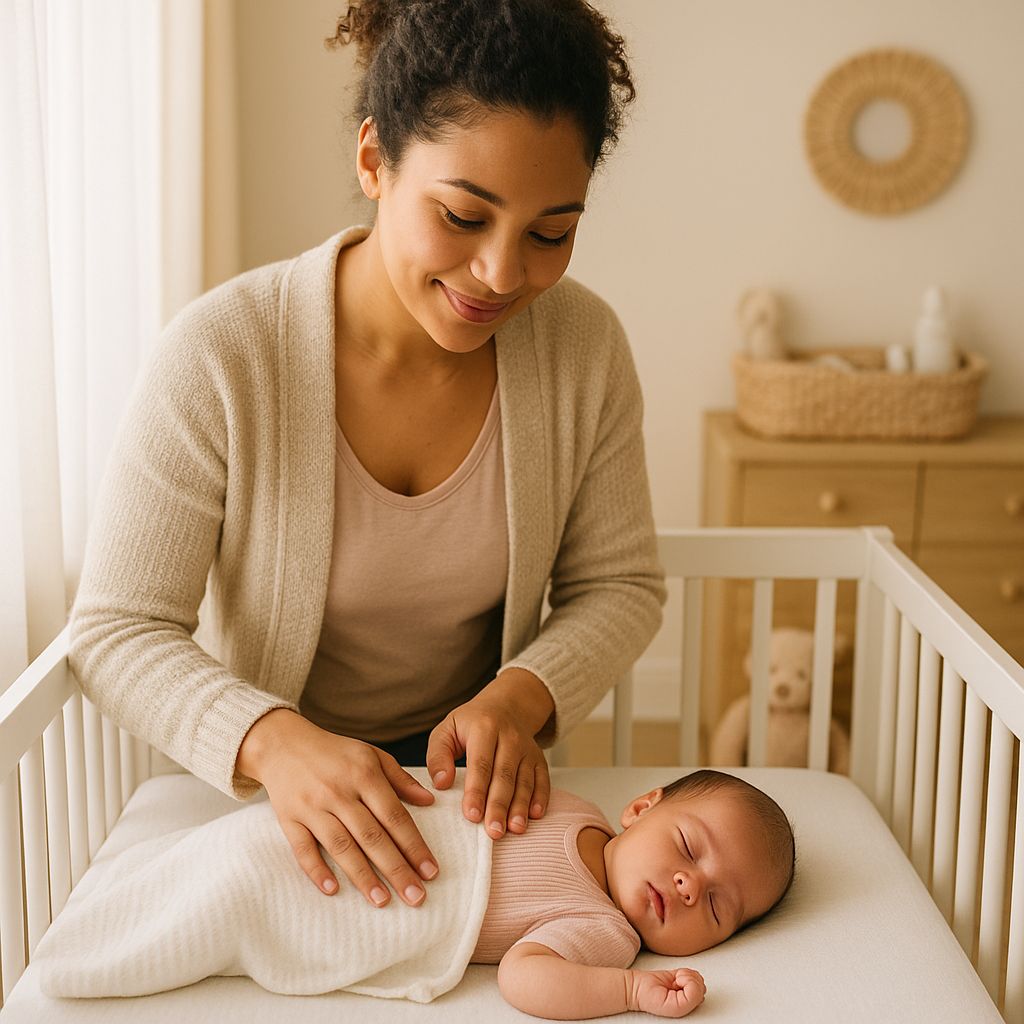
Sleep safety is a top priority. The AAP recommends the following for a safe sleep environment:
- Place your baby on their back for every sleep—naps and overnight.
- Use a firm mattress with a fitted sheet.
- Keep the crib free of pillows, blankets, bumper pads, toys, and stuffed animals.
- Do not use sleep positioners or wedges.
- Dress your baby in appropriate sleepwear; avoid overheating.
- If room-sharing, place your baby’s crib or bassinet next to your bed, but never co-sleep in the same bed.
Step 4: Baby-Proofing Your Home
Baby-proofing starts before your newborn arrives. Even though your baby won’t crawl or walk right away, accidents can happen unexpectedly. Here’s how to baby-proof effectively:
- Electrical Safety: Install outlet covers and keep cords out of reach.
- Furniture Anchoring: Secure dressers, bookshelves, and TVs to walls.
- Choking Hazards: Remove small objects, coins, and toys from floors and accessible surfaces.
- Windows & Doors: Install window guards and door stoppers.
- Blinds & Curtains: Choose cordless options or secure cords high and out of reach.
- Cleaning Supplies: Lock away all chemicals, medications, and toiletries.
- Pet Safety: Create barriers between pets and the nursery; supervise interactions.
Step 5: Environmental Controls
Maintaining a healthy environment is crucial for newborns:
- Temperature: Keep the nursery between 68–72°F. Use a room thermometer and avoid heavy blankets.
- Humidity: Maintain humidity between 40–60%. Use a humidifier if necessary, but clean it regularly.
- Air Quality: Avoid smoking indoors. Consider an air purifier with a HEPA filter. Choose low-VOC paints and cleaning products.
- Lighting: Use nightlights for gentle illumination during nighttime feeds.
Step 6: Ongoing Safety Maintenance
Safety is not a one-time task—it’s an ongoing commitment. As your baby grows and reaches new milestones, update your safety measures:
- Monthly Equipment Checks: Inspect furniture, crib, and safety devices for wear and tear.
- Milestone-Based Updates: As your baby begins to roll, crawl, or pull up, reassess hazards and move objects as needed.
- Education: Ensure all caregivers, including babysitters and grandparents, understand and follow your safety protocols.
Common Mistakes to Avoid
- Using soft bedding, bumper pads, or stuffed animals in the crib.
- Ignoring product recalls or safety warnings.
- Failing to anchor heavy furniture.
- Leaving cords or choking hazards within reach.
- Using second-hand items without checking safety standards.
Expert Tips for Creating a Secure Nursery
- Plan Early: Begin safety preparations during pregnancy to reduce stress.
- Choose Quality over Quantity: Invest in fewer, safer items instead of filling the nursery with decor.
- Stay Informed: Follow updates from the Consumer Product Safety Commission (CPSC) and the AAP.
- Involve Your Partner: Share the responsibilities and educate all caregivers.
- Keep Safety First: No accessory or convenience should compromise your baby’s safety.
Frequently Asked Questions
What are the most important features of a safe nursery?
A safe nursery includes a sturdy crib that meets current safety standards, a firm mattress, fitted sheets, and minimal bedding. Furniture should be anchored, and all cords, small objects, and choking hazards must be out of reach.
How can I baby-proof my home before my newborn arrives?
Start by securing furniture, covering electrical outlets, removing cords from blinds, and ensuring all cleaning supplies and medications are locked away. Install safety latches on cabinets and keep small objects off floors and surfaces.
Is it safe to use second-hand baby furniture?
Only use second-hand furniture if it meets current safety standards, is free of recalls, and is in excellent condition. Avoid drop-side cribs and check for loose or broken parts.
How often should I check and update my baby’s space for safety?
Review your baby’s space regularly, especially as they reach new milestones like rolling over or crawling. Update safety measures as needed and inspect equipment monthly for wear and tear.
Checklist: Setting Up a Safe Space for Your Newborn
- Choose a quiet, accessible nursery location
- Install a crib with a firm mattress and fitted sheet
- Anchor all nursery furniture
- Remove all soft bedding, pillows, and toys from the crib
- Install outlet covers and secure cords
- Lock away chemicals and medications
- Maintain optimal temperature and humidity
- Clean air with a purifier if needed
- Educate all caregivers on nursery safety
- Inspect and update safety measures monthly
Conclusion
Setting up a safe space for your newborn is more than a project—it’s a foundation for their health, comfort, and growth. By following expert guidelines, baby-proofing effectively, and maintaining your nursery, you offer your little one the best start in life. Remember, safety is an ongoing journey. Check regularly, stay informed, and enjoy the peace of mind that comes from knowing your baby is protected in a secure, loving environment.
For more parenting tips and expert advice, visit Growing Giggles—your trusted resource for nurturing healthy, happy families.