Separation Anxiety in Toddlers: Tips, Causes & Comfort Strategies
It’s a familiar scene for many parents: you’re getting ready to leave your toddler at daycare, with grandma, or in another safe setting, and suddenly, tears and clinginess erupt. Separation anxiety in toddlers is a common—and often distressing—stage, but it’s also a sign of healthy emotional development. Understanding why it happens and how to help your child cope can make this phase easier for both of you.
What Is Separation Anxiety?
Separation anxiety is the emotional distress your toddler experiences when separated from their primary caregiver, usually a parent. It’s characterized by clinginess, crying, and fear when you leave, even if it’s only for a brief period. This anxiety is rooted in a toddler’s growing awareness that their parent is separate from them—and that ‘out of sight’ can feel like ‘gone forever’ in their developing minds.
Why Do Toddlers Experience Separation Anxiety?
Separation anxiety is a normal part of development. As your child’s cognitive abilities mature, they begin to understand object permanence—the concept that things (and people) exist even when out of sight. This realization brings both comfort and anxiety; they know you exist when you’re gone, but also worry you might not return.
Some key reasons include:
- Attachment: Toddlers form strong emotional bonds with caregivers. Separation can feel threatening to this bond.
- Developmental Milestones: As toddlers learn about independence, they simultaneously crave security.
- Changes in Routine: New environments, caregivers, or altered routines can trigger anxiety.
- Family Dynamics: Big changes like moving, divorce, or a new sibling can intensify separation fears.
When Does Separation Anxiety Typically Occur?
Separation anxiety often starts around 9 months, peaks between 18 months and 2.5 years, and generally fades by age 4. However, every child is different, and some may experience anxiety earlier or later.
Signs & Symptoms of Separation Anxiety in Toddlers
- Clinginess or reluctance to let go of caregiver
- Crying or tantrums when you leave
- Refusing to interact with others or play independently
- Regression in sleep or eating habits
- Nervousness before separations (e.g., before daycare drop-off)
- Physical complaints (stomachaches, headaches) when separation is anticipated
How to Ease Separation Anxiety: Expert Strategies
While separation anxiety is normal, there are ways to make the process smoother and more comforting for your toddler:
1. Establish Predictable Routines
Children thrive on routine. Keeping goodbyes consistent—same time, same place, same words—helps your toddler know what to expect. A morning ritual, like a special hug or wave, signals that separation is coming and that you’ll return.
2. Practice Short, Safe Separations
Start with brief separations in familiar settings (e.g., leaving your child with a trusted grandparent while you run errands). Gradually increase the length and frequency to build your toddler’s confidence.
3. Keep Goodbyes Short & Positive
Lingering or sneaking out can heighten anxiety. Instead, give a loving, confident goodbye (“Mommy will be back after your snack!”) and leave promptly. Your calm demeanor reassures your child.
4. Offer Comfort Objects
Transitional objects, like a favorite stuffed animal, blanket, or a photo of you, can provide comfort and a sense of security during separations.
5. Validate Their Feelings
Acknowledge your toddler’s emotions without judgment. “I know you feel sad when Mommy leaves. It’s okay to miss me. I’ll always come back.” Empathy helps your child understand and accept their feelings.
6. Build Trust with Consistent Returns
Always return when you say you will. Consistency is key in helping your child learn that separations are temporary and you’ll always come back.
7. Encourage Independence
Let your toddler explore new activities, play independently, and interact with others. This boosts their confidence and helps them feel secure when you’re not present.
8. Prepare for Transitions
Talk about upcoming separations in advance. “Tomorrow, you’ll play with Grandma while I go to work. You’ll have fun and I’ll see you after lunch!”
9. Use Visual Timers & Schedules
Visual aids like picture schedules or countdown timers help toddlers grasp the concept of time and anticipate your return.
Comforting Strategies for Toddlers
Comforting your toddler during separation anxiety involves both emotional support and practical tools. Here are some parent-tested strategies:
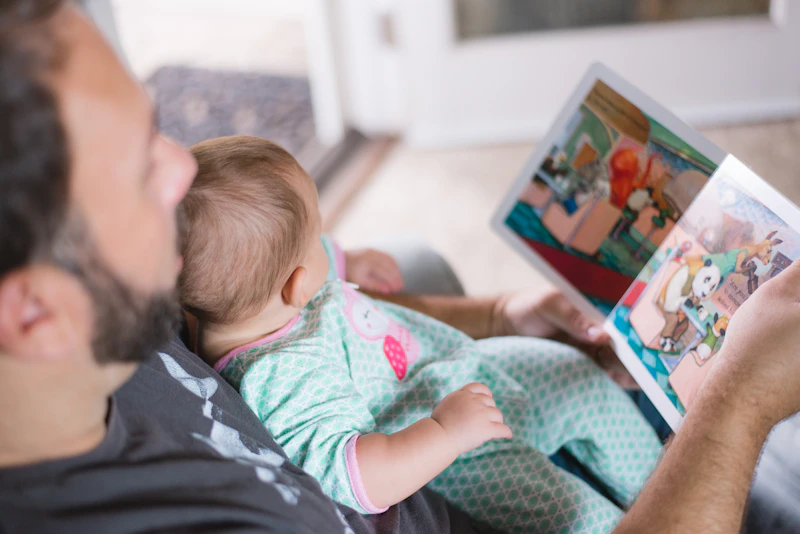
- Storybooks about Separation: Reading books that address separation, like “The Kissing Hand” or “Llama Llama Misses Mama,” helps normalize the experience.
- Reunion Rituals: Create a special routine for when you return (e.g., a “welcome home” dance or snack) to reinforce positive reunions.
- Role Play: Use dolls or toys to act out separations and reunions, helping your child process their feelings.
- Stay Calm: Your own emotions set the tone. If you’re anxious, your toddler will sense it. Project confidence and comfort.
- Positive Reinforcement: Praise your toddler for brave behavior during separations.
What NOT to Do
- Don’t Sneak Out: Leaving without saying goodbye undermines trust and increases anxiety.
- Don’t Minimize Feelings: Avoid phrases like “You’re being silly” or “There’s nothing to be upset about.” Validate their emotions.
- Don’t Punish or Shame: Separation anxiety isn’t a behavior problem—it’s an emotional response.
When to Seek Help
Most separation anxiety fades with time and support. However, if your child’s distress is severe, lasts beyond preschool age, or interferes with daily life (e.g., refusing to leave home, excessive panic), consult your pediatrician or a child psychologist. Persistent separation anxiety may be a sign of underlying emotional issues that need professional guidance.
Supporting Yourself as a Parent
Separation anxiety isn’t just hard for children—it’s tough for parents, too! It’s normal to feel guilty, frustrated, or worried. Remember, your child’s tears are a sign of strong attachment, not failure. Take care of yourself by:
- Connecting with other parents for support and empathy
- Practicing self-care and stress management
- Reminding yourself that this phase will pass
Frequently Asked Questions
At what age does separation anxiety typically peak in toddlers?
Separation anxiety usually peaks between 18 months and 2.5 years, but can start as early as 9 months and last until around age 4.
How can I help my toddler feel less anxious about separation?
Build predictable routines, offer transitional objects, keep goodbyes brief and positive, and practice short separations to build confidence.
Is separation anxiety a sign of emotional problems?
No, separation anxiety is a normal developmental phase and generally not a sign of emotional problems unless it persists for an unusually long time or severely disrupts daily life.
Should I sneak out to avoid upsetting my toddler?
No, sneaking out can increase distress. Saying goodbye confidently and reassuring your child is healthier for building trust.
When should I seek professional help for my toddler’s separation anxiety?
If anxiety is severe, lasts beyond age 4, or affects daily functioning, consult a pediatrician or child psychologist for guidance.
Top Books & Resources for Separation Anxiety
- “The Kissing Hand” by Audrey Penn
- “Llama Llama Misses Mama” by Anna Dewdney
- “Daniel Tiger’s Neighborhood: Daniel Goes to School” (TV episode)
- Parenting forums and support groups
- Consulting a child psychologist or counselor
Conclusion: Navigating Separation Anxiety with Confidence
Separation anxiety is a sign that your toddler is forming strong, healthy bonds—and learning to navigate the world with your support. By understanding the causes and applying gentle strategies, you can help your child build resilience, confidence, and independence. Remember, this stage is temporary. With patience, empathy, and consistency, you’ll both get through it—together.
For more expert parenting tips and toddler development advice, follow Growing Giggles!