Separation Anxiety in Babies: Causes and Solutions
Separation anxiety is a common and natural stage in a baby's emotional development. While it can be distressing for both parents and children, understanding its roots and learning how to navigate this phase empowers families to foster healthy growth and resilient attachments. This comprehensive guide explores the causes, signs, and expert solutions for separation anxiety in babies, equipping parents with actionable strategies for supporting their little ones.
What Is Separation Anxiety?
Separation anxiety refers to the emotional distress babies experience when parted from their primary caregivers, usually parents. It is characterized by crying, clinginess, and resistance to being left alone or with unfamiliar people. This stage is a hallmark of healthy attachment and emotional development, signifying a baby's growing awareness of their surroundings and relationships.
When Does Separation Anxiety Begin?
Most babies start exhibiting signs of separation anxiety around 6 months of age. This stage typically peaks between 10 to 18 months and gradually lessens by age 2. However, every child is unique, and the onset, intensity, and duration may vary based on temperament, environment, and attachment style.
Understanding the Causes of Separation Anxiety
To address separation anxiety effectively, it’s crucial to understand what triggers it. There are several developmental and environmental factors at play:
- Cognitive Development: Around six months, babies develop "object permanence"—the understanding that people and things exist even when out of sight. Before this, babies believe their caregivers cease to exist when they leave. As object permanence emerges, absence becomes more distressing, triggering anxiety.
- Attachment Theory: Babies form strong emotional bonds with their caregivers. These bonds are essential for survival and comfort. When separated, the loss of this secure base provokes anxiety.
- Environmental Changes: New environments, unfamiliar faces, or disruptions to routine can exacerbate separation anxiety. Transitions such as starting daycare, moving homes, or changes in caregivers often heighten symptoms.
- Parental Response: Babies are sensitive to their parents’ emotions. If caregivers display anxiety or distress during separations, babies may mirror these emotions, intensifying their own anxiety.
Signs of Separation Anxiety in Babies
Recognizing separation anxiety helps parents provide timely, empathetic support. Common signs include:
- Clinginess and reluctance to leave parent’s side
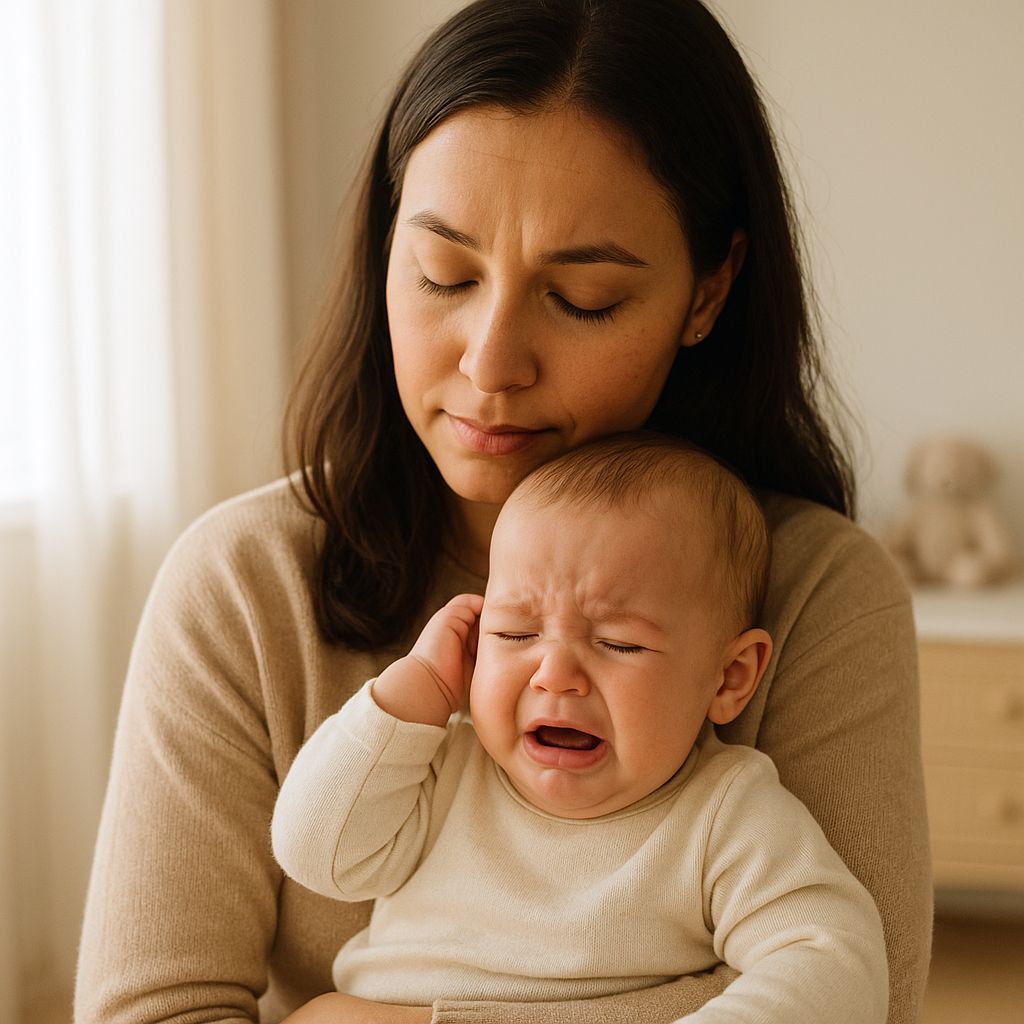
- Crying or screaming when a parent leaves the room
- Refusal to interact with unfamiliar people
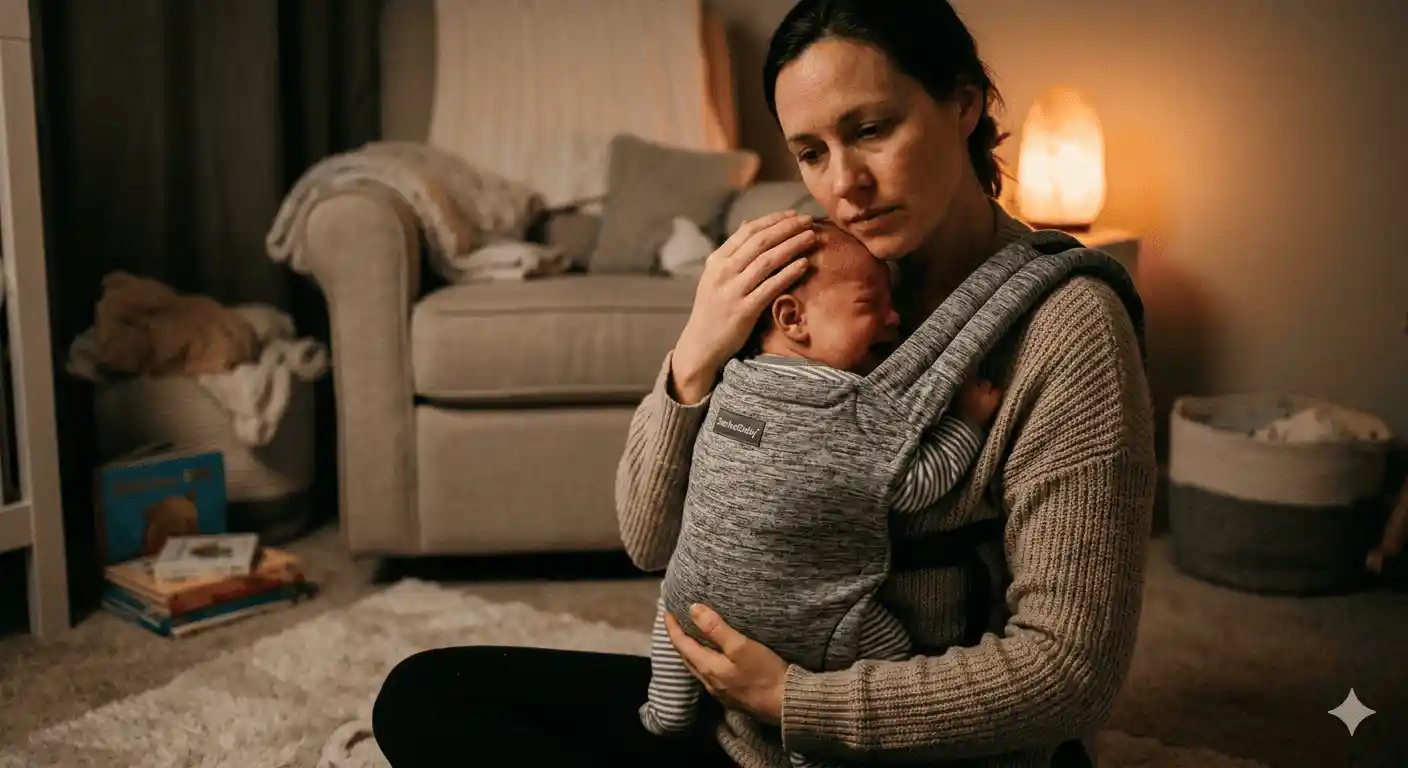
- Disrupted sleep, especially at bedtime or naptime
- Regression in behaviors (e.g., increased need for comfort items)
Separation Anxiety vs. Stranger Anxiety
While often confused, separation anxiety and stranger anxiety are distinct:
- Separation Anxiety: Distress caused by absence of familiar caregivers.
- Stranger Anxiety: Fear or wariness toward unfamiliar people, starting around 6-7 months.
Both are normal and signal healthy emotional development.
How Long Does Separation Anxiety Last?
Separation anxiety usually fades as babies grow older and gain confidence. Most children outgrow it by age 2, though it can reappear during major transitions (e.g., starting preschool). If anxiety persists beyond age 3 or severely interferes with daily life, consult a pediatrician or child psychologist.
Expert Solutions: How to Ease Separation Anxiety
While separation anxiety can’t be eliminated entirely, parents can take steps to ease distress and foster resilience. Here are expert-backed strategies:
1. Establish Consistent Routines
Predictable routines provide babies with a sense of security. Before separating, follow a comforting ritual—such as singing a favorite song, hugging, or reading a brief story. Consistency reassures your baby and signals that you will return.
2. Practice Gradual Separations
Ease your baby into separations by starting with short intervals. For example, leave the room for a few minutes while your baby plays, then gradually extend the duration. This builds confidence and trust.
3. Use Comfort Items
Transitional objects, like a favorite blanket or stuffed animal, provide comfort and familiarity. Encourage your baby to keep their comfort item when you’re apart.
4. Offer Reassurance
Before leaving, explain (in simple terms) where you’re going and that you’ll return. Even though babies may not understand every word, your tone provides comfort.
5. Keep Goodbyes Brief and Positive
Long, drawn-out departures can increase distress. Instead, say goodbye confidently and positively. Avoid sneaking away, as this can undermine trust.
6. Stay Calm and Confident
Babies sense parental emotions. Project calmness and confidence during separations. If you feel anxious, your baby may pick up on it and feel less secure.
7. Encourage Independence
Provide opportunities for your baby to explore and play independently. Gradual exposure to new people and places builds social confidence.
8. Communicate with Caregivers
If your baby attends daycare or is cared for by others, communicate routines and preferences. Consistency between home and caregiving environments reduces anxiety.
Common Situations: Separation Anxiety in Daily Life
Separation Anxiety at Daycare
Starting daycare is a common trigger. Prepare your baby by visiting the facility beforehand, meeting caregivers, and practicing brief separations. A consistent drop-off routine and comfort items can ease the transition.
Separation Anxiety at Bedtime
Bedtime can be challenging, as babies may resist being left alone to sleep. Establish a soothing nighttime routine, offer comfort items, and reassure your baby. If sleep disruptions persist, consult your pediatrician.
When to Seek Professional Help
Separation anxiety is usually temporary, but seek guidance if:
- Anxiety persists beyond age 3
- Symptoms interfere with daily life (e.g., refusal to attend daycare, excessive distress)
- There are signs of regression or developmental delays
A pediatrician or child psychologist can provide tailored support and rule out underlying issues.
Supporting Baby’s Emotional Development
Separation anxiety presents an opportunity to nurture emotional resilience. By responding with empathy and consistent strategies, parents reinforce the trust and security necessary for healthy development. Remember:
- Every child is unique; what works for one may not work for another.
- Patience and understanding are key during this stage.
- Separation anxiety is a sign of healthy attachment and emotional growth.
Tips for Parents: Navigating Separation Anxiety
- Stay Positive: Your attitude sets the tone. Approach separations as opportunities for growth.
- Model Confidence: Project calm and trust in your child’s ability to cope.
- Validate Emotions: Acknowledge your baby’s feelings. Offer hugs and reassurance.
- Encourage Socialization: Gradually introduce new people and settings to build confidence.
- Monitor Progress: Track changes and consult experts if needed.
Frequently Asked Questions
- At what age does separation anxiety usually start in babies?
- Separation anxiety typically begins around 6 months of age and peaks between 10 to 18 months, although every child develops differently.
- How long does separation anxiety last?
- The duration varies, but most babies outgrow separation anxiety by age 2. Some children may experience it again during major transitions.
- Can separation anxiety be a sign of a problem?
- Separation anxiety is normal. However, if it persists beyond age 3 or severely interferes with daily life, consult your pediatrician for guidance.
- What are effective ways to ease separation anxiety?
- Gradual separations, consistent routines, comfort items, and brief goodbyes can help ease separation anxiety in babies.
- Does separation anxiety affect sleep?
- Yes, separation anxiety can cause sleep disruptions, especially at bedtime. A comforting routine and parental presence can help.
Conclusion
Separation anxiety in babies is a natural milestone in emotional development. While it can be challenging, it also affirms the strength of your child's attachment and growing awareness. By understanding the causes, recognizing the signs, and implementing expert solutions, parents can ease their baby’s distress and lay the foundation for lifelong emotional resilience. Remember to approach this stage with empathy, patience, and positivity, knowing that your support makes all the difference.