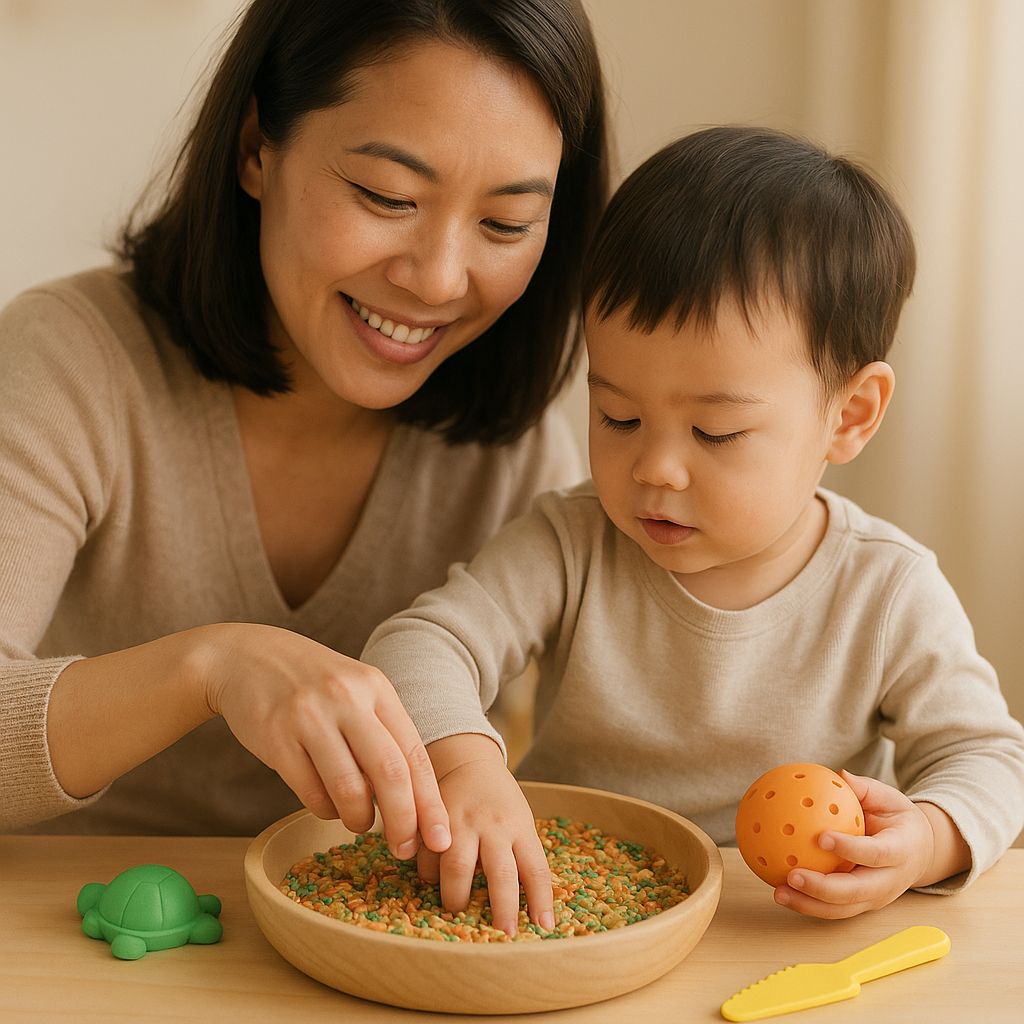

Sensory Play Ideas to Improve Brain Development
Sensory play is more than just a buzzword among parents and educators—it’s an essential component of child development. As children engage with the world through their senses, their brains build crucial connections that set the stage for learning, social interaction, and emotional growth. This in-depth guide will explore the science behind sensory play, offer a variety of expert-approved ideas, and explain how you can easily incorporate these activities into your child’s routine to improve brain development.
What is Sensory Play?
Sensory play refers to any activity that stimulates a child’s senses: touch, smell, taste, sight, and hearing. It can also include movement and balance (proprioception and vestibular input). Through hands-on exploration, children learn to process sensory information, which lays the foundation for everything from language development to emotional regulation.
The Science: How Sensory Play Boosts Brain Development
During early childhood, the brain is exceptionally plastic, meaning it forms new connections rapidly in response to experiences. Sensory play:
- Strengthens neural pathways that support thinking, reasoning, and memory.
- Encourages problem-solving and decision-making skills as children experiment with different materials and outcomes.
- Improves fine and gross motor skills through manipulation, pouring, stacking, and movement.
- Promotes language development as children describe textures, scents, and sensations.
- Fosters social skills when activities are shared with peers or caregivers.
Expert-Approved Sensory Play Ideas for Every Age
Below, you’ll find a range of sensory play activities suitable for various developmental stages. Remember to supervise your child and adapt each activity to their age and abilities.
1. Sensory Bins
Sensory bins are containers filled with materials that invite exploration. They can be themed or open-ended:
- Fill a bin with dry rice, beans, or pasta. Add scoops, cups, and small toys for digging and pouring.
- Create a nature bin with sand, pebbles, leaves, and pinecones.
- Theme bins for holidays: colored rice for Valentine’s Day, orange lentils for autumn, or snow (cotton balls) for winter fun.
2. Water Play
Water is a versatile sensory material. Try these ideas:
- Set up a water table with measuring cups, funnels, and waterproof toys.
- Add food coloring or soap for bubbles to explore color mixing and texture.
- Experiment with objects that sink or float, sparking scientific inquiry.
3. Playdough and Modeling Materials
Homemade or store-bought playdough offers endless opportunities:
- Roll, pinch, flatten, and cut dough to strengthen fine motor skills.
- Add scents (vanilla, peppermint) or textures (glitter, sand) for multisensory fun.
- Create themed shapes to reinforce learning (letters, numbers, animals).
4. Sensory Art Projects
Art engages the senses in creative ways:
- Finger painting with non-toxic paints.
- Textured collages using fabric, tissue paper, or foil.
- Salt dough ornaments for touch and smell.
5. Nature Exploration
The outdoors is a sensory wonderland:
- Collect leaves, rocks, and flowers to touch, smell, and observe.
- Walk barefoot on grass or sand to stimulate nerve endings in the feet.
- Listen to birds, wind, and rustling leaves to sharpen auditory processing.
6. Edible Sensory Play
For younger children who may put items in their mouths, try:
- Cooked and cooled pasta for squishing and sorting.
- Mashed potatoes or whipped cream for tactile fun.
- Frozen fruit pieces for exploring temperature and taste.
7. Sound and Music Activities
Auditory sensory play supports listening skills and brain processing:
- Homemade shakers (filled with rice or beans in sealed containers).
- Exploring kitchen pots and wooden spoons for drumming.
- Listening walks—identify and talk about sounds in your environment.
8. Mess-Free Sensory Play
For parents concerned about cleanup:
- Sensory bags: Seal hair gel, glitter, and small items in a heavy-duty plastic bag for squishing and manipulating.
- Window painting: Use washable markers or paints on windows for a contained creative experience.
- Fabric baskets: Fill with scarves, ribbons, and textured cloths for tactile discovery.
How to Make Sensory Play Safe and Accessible
Safety is paramount. Always supervise your child and consider the following tips:
- Avoid small items that could be choking hazards for young children.
- Choose non-toxic, washable materials.
- Introduce new textures gradually for children with sensory sensitivities.
- Encourage children to describe what they feel, see, hear, and smell to support language development.
Adapting Sensory Play for Different Ages and Needs
Sensory play is not one-size-fits-all. Here’s how to tailor activities:
- Infants: Focus on simple textures and high-contrast visuals. Let them explore soft fabrics, gentle water splashes, or safe rattles.
- Toddlers: Offer a variety of materials for scooping, pouring, and stacking. Edible sensory play is ideal at this age.
- Preschoolers: Introduce more complex tasks like sorting, pattern making, or themed sensory bins. Involve them in setting up and cleaning up.
- Children with sensory processing differences: Observe your child’s responses and adjust activities accordingly. Some children may seek out or avoid certain sensations. Consult with an occupational therapist if you have concerns.
Integrating Sensory Play into Daily Routines
Consistency is key. Here are simple ways to make sensory play part of everyday life:
- Let your child help with meal prep—washing veggies, stirring batter, or kneading dough.
- Use bath time for water play and safe sensory toys.
- Go on sensory walks and talk about what you see, hear, and feel.
- Rotate sensory materials regularly to keep activities fresh and engaging.
Signs Your Child is Benefiting from Sensory Play
Look for these positive changes:
- Increased curiosity and willingness to try new things.
- Improved focus, attention span, and problem-solving skills.
- Expanded vocabulary as they describe their experiences.
- Better coordination and motor skills.
- Happier playtime and fewer meltdowns due to sensory overload.
When to Seek Guidance
While all children benefit from sensory play, some may be more sensitive or seek out intense experiences. If your child consistently avoids or is distressed by sensory activities, consult with your pediatrician or an occupational therapist for personalized strategies.
Conclusion
Sensory play is a powerful, research-backed tool for supporting children’s brain development. With a little creativity and everyday materials, you can create engaging sensory experiences that nurture your child’s growth and learning. Remember, the best sensory play happens when you follow your child’s interests, allow for exploration, and provide a safe, loving environment where curiosity is celebrated.