
Safety Tips for Exploring New Places with Toddlers
Traveling and exploring new places with toddlers is a rewarding adventure, offering opportunities for growth, bonding, and memorable experiences. However, venturing into unfamiliar environments with young children requires thoughtful preparation and vigilant safety measures. Whether you’re heading to a bustling city, a tranquil park, or a remote vacation spot, your toddler’s well-being should always be at the forefront. In this comprehensive guide, we provide expert tips to ensure your family’s explorations are safe, enjoyable, and stress-free.
Why Is Toddler Safety Crucial When Exploring New Places?
Toddlers are naturally curious and eager to explore, but their lack of experience and understanding of hazards makes them especially vulnerable. New environments present unfamiliar risks—such as busy streets, crowded attractions, unpredictable weather, and non-childproofed spaces. By proactively addressing safety, parents can minimize dangers and create a positive travel experience for the whole family.
1. Prepare Thoroughly Before You Go
Research Your Destination
- Study maps and layouts of your destination.
- Identify toddler-friendly activities, parks, and amenities.
- Check weather conditions to ensure you pack appropriate clothing.
- Read reviews from other parents about child safety at hotels, attractions, and restaurants.
Pack Essential Safety Gear
- First aid kit: Include bandages, antiseptic wipes, child-safe medications, and allergy remedies.
- ID bracelet or tag: Include your child’s name and your contact information.
- Child harness or stroller: Useful in crowded or unfamiliar areas.
- Comfort items: A favorite toy or blanket can help soothe your toddler during transitions.
- Sunscreen and bug spray: Choose products formulated for young children.
- Snacks and water: Prevent hunger-related meltdowns and dehydration.
2. Supervise Constantly and Set Clear Boundaries
Young toddlers should always be within arm’s reach when exploring new places. Crowds, traffic, and distractions can quickly lead to separation. Establish clear boundaries:
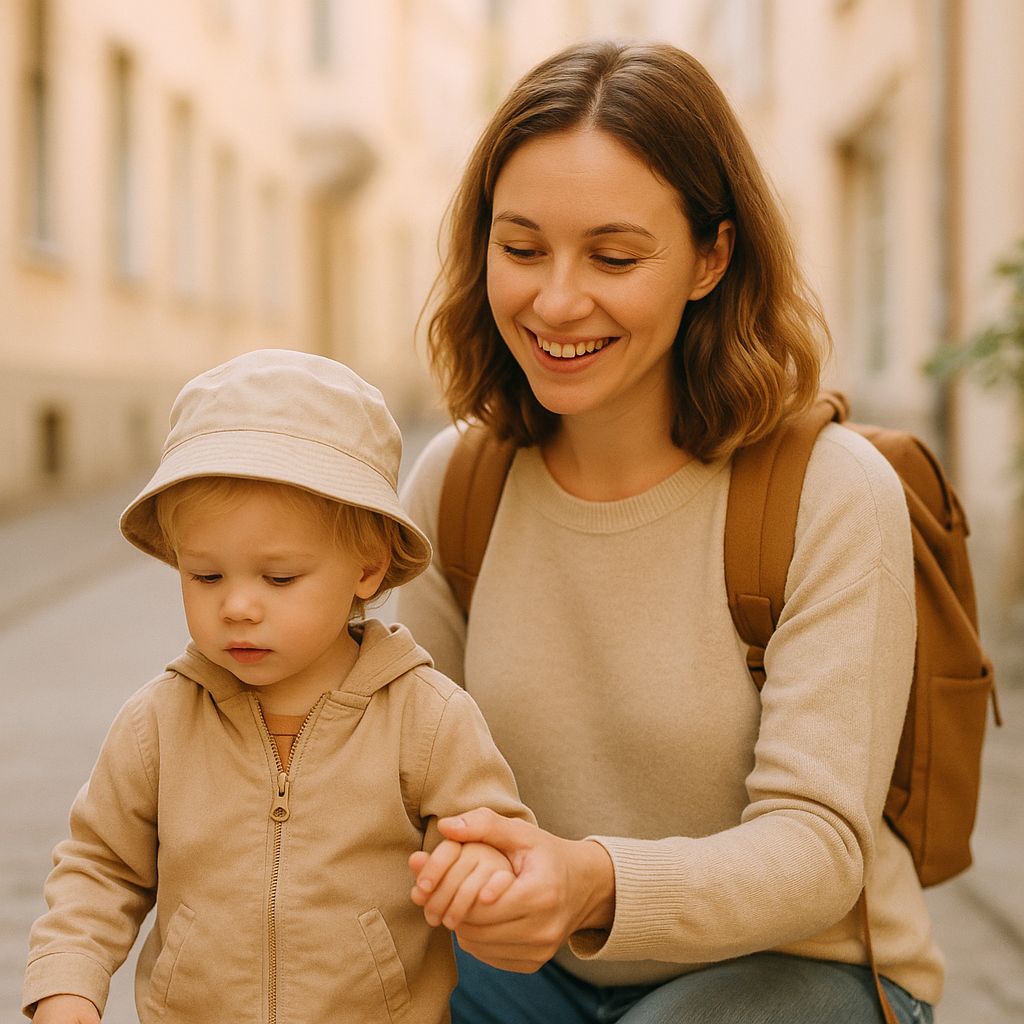
- Explain rules simply: “Stay close to Mommy/Daddy,” “Hold my hand,” “Don’t run ahead.”
- Use child harnesses or leashes judiciously in busy or risky areas.
- Dress your child in bright, distinctive clothing for easy visibility.
- Teach your child to recognize uniformed staff or security as safe adults to approach if lost.
3. Childproof Temporary Accommodations
Hotels, vacation rentals, and even friends’ homes rarely offer the childproofing found in your own house. Upon arrival:
- Inspect for hazards: exposed outlets, sharp corners, dangling cords, breakables, and chemicals.
- Move dangerous items out of reach.
- Bring portable outlet covers and cabinet locks.
- Keep doors and windows locked; ensure balcony railings are secure.
- Double-check the bathroom for accessible cleaning supplies or medications.
4. Teach Identification and Emergency Procedures
Even very young children can learn basic safety routines. Practice before your trip:
- Teach your toddler their name and your phone number (or have them wear an ID bracelet).
- Show them how to identify trustworthy adults (e.g., staff with uniforms).
- Establish a ‘safe meeting point’ in public places.
- Review what to do if separated: stay where they are and ask for help from a safe adult.
5. Choose Toddler-Friendly Destinations and Activities
Some environments are inherently safer and more enjoyable for young children. When possible:
- Opt for destinations with playgrounds, parks, interactive museums, and gentle walking paths.
- Avoid places with heavy traffic, excessive crowds, or difficult terrain.
- Select accommodations with family-friendly amenities, such as cribs, high chairs, and childproofed rooms.
6. Prepare for Transportation Safety
Whether traveling by car, public transit, or airplane, secure your child and minimize risks:
- Car seats: Always use age-appropriate, properly installed car seats.
- Public transit: Hold your toddler’s hand, avoid standing near doors, and keep snacks on hand to occupy them.
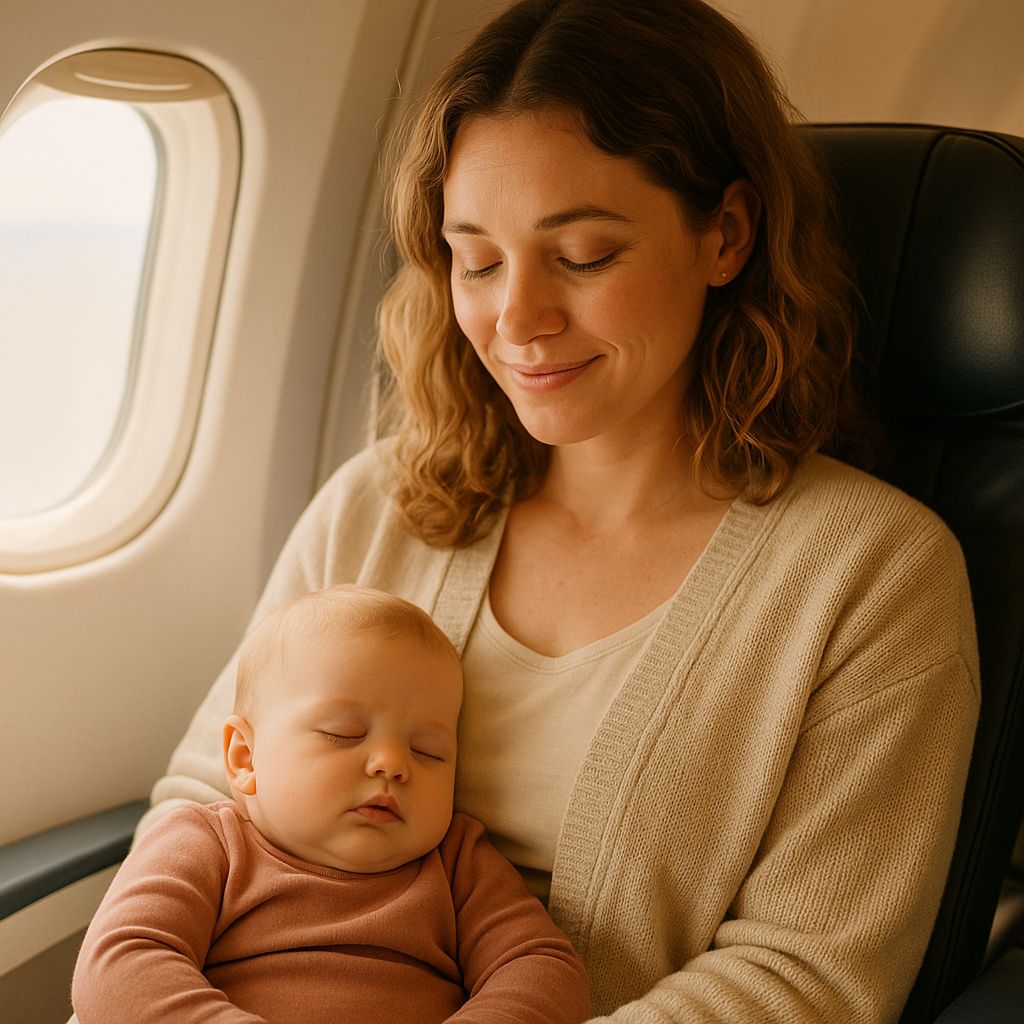
- Air travel: Use approved child harnesses, explain airport security procedures, and bring familiar items for comfort.
7. Be Ready for Medical Needs and Emergencies
- Locate the nearest medical facility or pharmacy before arrival.
- Carry a list of emergency contacts and your child’s medical information.
- Pack any prescribed medications in their original containers.
- Have travel insurance that covers pediatric care.
8. Adapt to Local Safety Conditions
Different destinations may require unique precautions:
- In hot climates, prioritize hydration and sun protection.
- In rural or nature settings, watch for insects, plants, and animals.
- In urban environments, guard against traffic and crowds.
9. Communicate and Involve Your Toddler
Empower your child by involving them in safety routines:
- Give simple explanations of rules and boundaries.
- Let them help pack their favorite items or choose a bright outfit.
- Practice ‘stop and wait’ games before your trip.
10. Stay Calm and Flexible
Unexpected situations can arise. Remaining calm helps your toddler feel secure and models resilience. Be ready to change plans if a location is unsafe or your child is overwhelmed.
Common Hazards to Watch For
- Traffic: Always use crosswalks and hold hands.
- Water: Never leave toddlers unattended near pools, lakes, or fountains.
- Strangers: Teach your child not to wander or accept items from unknown people.
- Wildlife and plants: Supervise closely in parks or nature reserves.
- Food allergies: Research menus and ingredients at local restaurants.
Bonus Tips for Stress-Free Adventures
- Use apps or GPS trackers designed for child safety.
- Give your child a photo of your family in case they get separated.
- Plan regular breaks for snacks, rest, and bathroom visits.
- Keep routines (meals, naps) as consistent as possible.
- Take plenty of photos, but don’t let phones distract from supervision.
Conclusion: Safe Adventures Build Happy Memories
Exploring new places with toddlers can be both exhilarating and daunting. By planning ahead, setting clear boundaries, and staying vigilant, you’ll not only reduce risks but also help your child develop confidence and curiosity about the world. Safety is not about restricting fun—it’s about ensuring every adventure is filled with giggles, discoveries, and treasured moments. With these expert safety tips, your family is ready to embark on journeys that are as safe as they are unforgettable.
Frequently Asked Questions
- How can I keep my toddler safe while traveling in crowded places?
- Always keep your toddler within arm’s reach, use child harnesses if appropriate, dress them in bright clothing, and teach them to stay close. Consider ID bracelets and establish a 'safe meeting point' in case you get separated.
- What should I pack for emergency situations when traveling with toddlers?
- Pack a basic first aid kit, emergency contact information, child-safe sunscreen, insect repellent, snacks, water, and any necessary medications. Include comfort items like a favorite toy or blanket to soothe your child if needed.
- How do I childproof accommodations while traveling?
- Inspect your hotel room or rental for hazards such as exposed outlets, sharp furniture edges, or accessible cords. Move dangerous items out of reach, bring outlet covers, and keep doors/windows locked.