Safety Rules Every Preschooler Should Know
Keeping preschoolers safe is every parent’s top priority. As your little one starts exploring the world beyond your front door, it’s essential to equip them with safety rules that will protect them at home, outdoors, and in public. Preschoolers are naturally curious and eager to learn—this is the perfect age for teaching basic safety principles in a way that’s fun, memorable, and empowering.
Why Safety Rules Matter for Preschoolers
Preschoolers are beginning to assert their independence, yet they still rely on adults for guidance. They’re learning to follow instructions, recognize boundaries, and make simple decisions. By introducing safety rules early, you’re not just preventing accidents—you’re fostering confidence and setting the foundation for lifelong safety awareness.
How Preschoolers Learn Safety
Children at the preschool stage learn best through repetition, modeling, and interactive activities. When you consistently reinforce safety rules and model safe behavior, your child will internalize these lessons. Keeping the rules simple and positive ensures your child feels empowered, not frightened.
Essential Safety Rules for Preschoolers
1. Home Safety
- Don’t Touch Dangerous Items: Teach your child to avoid sharp objects, hot surfaces, and chemicals (like cleaning products). Use clear language such as, "Only grown-ups touch these things."
- Stay Away from Electrical Sockets: Explain that outlets and cords are not for little hands. Outlet covers can provide added protection.
- No Running Indoors: Running can lead to slips, trips, and falls. Encourage walking, especially near stairs, bathrooms, and kitchens.
- Ask Before Opening Doors: Teach your child to never open the door for strangers and always ask an adult before answering.
- Know Emergency Numbers: Help your preschooler memorize your phone number and the basics of how to call for help if needed.
2. Outdoor Safety
- Stay Close to Grown-Ups: Whenever you’re outside or in public, emphasize the importance of staying within sight and reach of trusted adults.
- Look Both Ways Before Crossing: Practice stopping at curbs and looking left, right, and left again before crossing streets. Hold hands while crossing.
- Wear Safety Gear: Helmets for bikes and scooters, sunscreen for sunny days, and appropriate shoes for playgrounds.
- Stranger Safety: Teach your child not to go anywhere with someone they don’t know, even if that person seems friendly. Role-play scenarios to reinforce this rule.
- Don’t Wander Off: Encourage your child to ask permission before leaving your side or entering new areas, like playgrounds or stores.
3. Safety with Others
- Safe Touch: Explain that their body belongs to them, and it’s okay to say “no” to unwanted touch. Use age-appropriate language and books to reinforce this.
- Ask for Help: Teach your child that if they feel scared or unsure, they can always ask a trusted adult for help.
- Know Trusted Adults: Make a list of trusted adults (parents, teachers, caregivers) your child can turn to if they need assistance.
- Sharing and Taking Turns: While not strictly a safety rule, learning to share and take turns helps prevent conflicts and injuries during play.
4. Safety in Public Places
- Stay Together: Always stay with your group or family in busy places like malls, parks, or events.
- If Lost, Stay Put: Teach your child that if they get separated, they should stay where they are and look for a uniformed employee or mom with kids for help.
- Don’t Accept Gifts from Strangers: Even if someone offers treats or toys, remind your child to check with you first.
- Recognize Safe Zones: Point out information desks, security guards, or other safe places they can go if they need help.
Tips for Teaching Safety Rules Effectively
- Use Simple Language: Keep rules short and easy to remember. For example, “Stop, look, and listen before crossing.”
- Repeat Often: Regular reminders help reinforce safety habits. Practice rules during daily routines or outings.
- Model Behavior: Children learn by watching you. Always demonstrate safe actions, like buckling your seatbelt or looking both ways.
- Role-Play Scenarios: Act out different situations, such as what to do if someone gets lost or approaches them in public.
- Make It Fun: Use games, songs, and stories to teach safety. For example, sing a “Safety Song” before going outside or create a “Safety Detective” game at home.
- Encourage Questions: Let your child ask about safety and answer patiently. This builds understanding and trust.
- Involve Caregivers: Ensure everyone who watches your child knows your family’s safety rules and can reinforce them consistently.
Common Challenges and How to Overcome Them
- Forgetting Rules: Preschoolers are still developing memory skills. Gentle reminders and visual cues (like safety posters) help.
- Resisting Boundaries: Some children push limits. Stay calm, explain the reasons for rules, and use positive reinforcement.
- Fear vs. Empowerment: Avoid making your child fearful. Focus on positive, empowering messages—"You can stay safe by following these rules!"
- Different Environments: Adapt rules to different settings, such as school, daycare, or grandparents’ house. Practice ahead of time.
Games and Activities for Teaching Safety
- Safety Simon Says: Incorporate safety actions (“Simon says look both ways!”) into a classic game.
- Safety Scavenger Hunt: Hide pictures of safe and unsafe items around the house and have your child find and sort them.
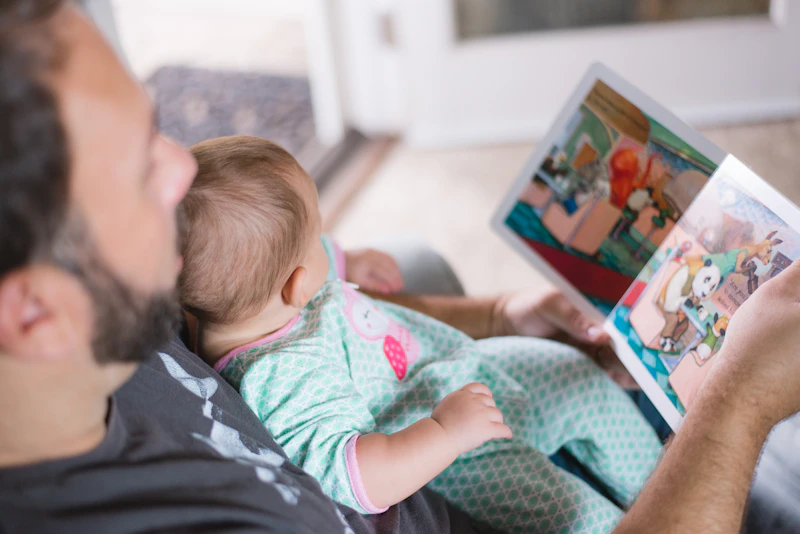
- Story Time: Read picture books about safety and discuss the characters’ choices.
- Role Play: Act out scenarios, such as crossing the street or what to do if someone offers candy.
- Safety Songs: Create catchy tunes about safety rules to sing together.
Safety Rule Checklist for Preschoolers
- Don’t touch hot, sharp, or dangerous items
- Stay away from electrical outlets and cords
- Never open the door without permission
- Stay close to trusted adults outdoors
- Look both ways before crossing the street
- Wear safety gear when biking or playing
- Don’t talk to or go with strangers
- Ask for help if you feel scared or lost
- Know your address and phone number
- Don’t accept gifts or treats from strangers
- Stay together in public places
- If lost, stay put and seek help from safe adults
When to Update Safety Rules
As your preschooler grows, revisit and update safety rules regularly. New environments, activities, and friendships may require new guidelines. Keep the conversation open and encourage your child to share their thoughts and questions.
Encouraging Open Communication
One of the most important aspects of teaching safety is fostering open communication. Let your child know they can always come to you with questions or concerns. Praise their efforts to follow rules and reassure them that safety is a team effort.
Resources for Parents
Conclusion
By teaching and reinforcing safety rules, you’re giving your preschooler the tools they need to explore the world with confidence. Remember, safety learning is a journey—embrace the process, celebrate progress, and keep the conversation going. With your love and guidance, your child will develop habits that keep them safe now and for years to come.
Frequently Asked Questions
- How can I make safety rules memorable for my preschooler?
Use simple language, repeat rules often, and incorporate games, songs, or stories to help your child remember important safety guidelines. - At what age should I start teaching safety rules?
You can start teaching basic safety rules as early as age 2-3, adapting your approach as your child grows and can understand more complex concepts. - What are the most important safety rules for preschoolers?
Key safety rules include not talking to strangers, staying close to trusted adults, looking both ways before crossing the street, not touching dangerous items, and knowing emergency contact information. - How do I talk to my child about stranger safety without making them fearful?
Focus on empowering your child by teaching them to trust their instincts and stay close to familiar adults, rather than creating fear. Use positive language and reassure them that most people are kind, but it’s important to be cautious.