
Safe Ways to Use Fans and Coolers Around Babies: A Parent’s Guide
When summer temperatures soar, keeping your baby comfortable becomes a top concern for parents. Babies are especially vulnerable to heat because their bodies aren’t as efficient at regulating temperature as adults. While fans and coolers can offer relief, it’s essential to use them safely to avoid risks like overheating, chills, or exposure to dust and allergens.
Why Temperature Regulation Matters for Babies
Babies, especially newborns, have immature thermoregulation systems. This means they can quickly become overheated or too cold, which can lead to dangerous health complications. Studies have shown that maintaining an optimal sleep environment is crucial for reducing the risk of Sudden Infant Death Syndrome (SIDS) and promoting healthy sleep patterns.
So, how can you use fans and coolers to keep your baby cool, while ensuring their safety and comfort? Let’s explore expert-backed strategies and practical tips.
Safe Use of Fans Around Babies
1. Indirect Airflow Is Key
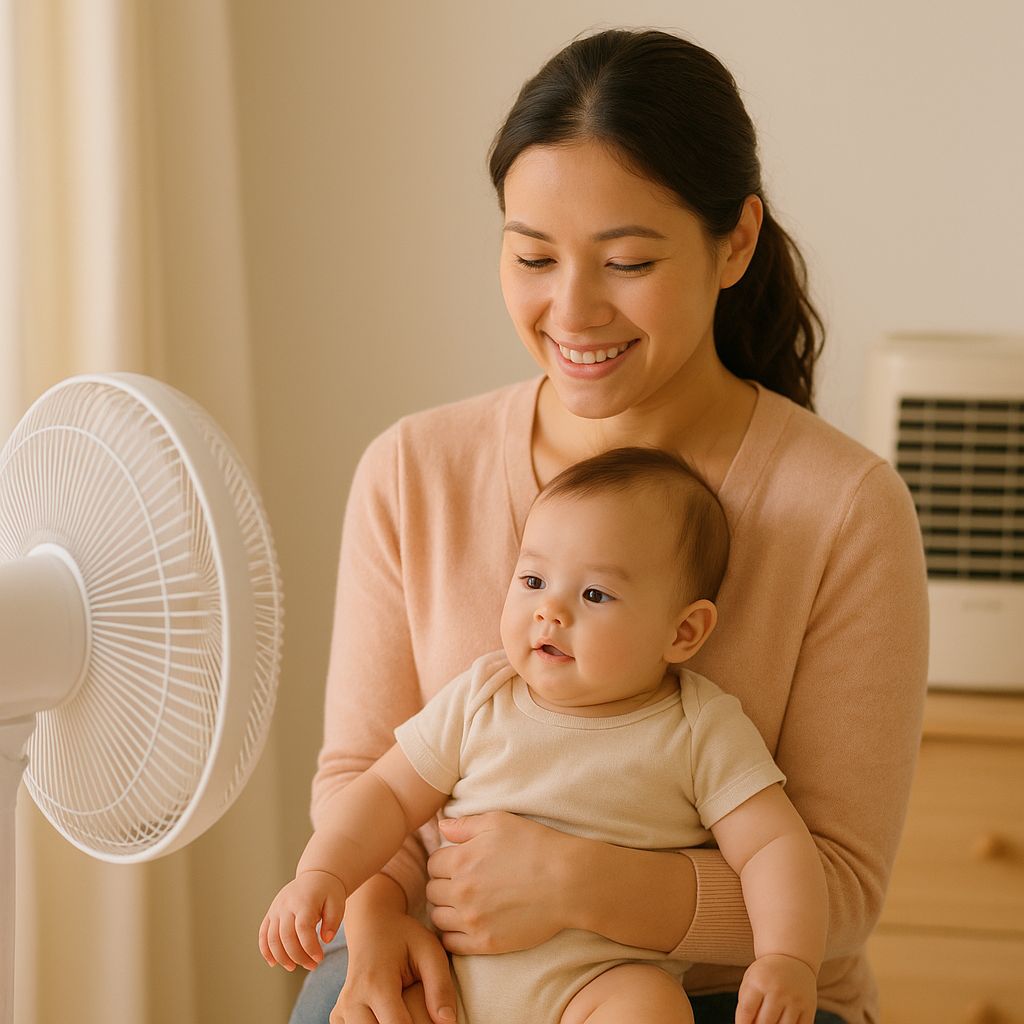
Never position a fan so it blows directly onto your baby. Direct airflow can make your baby feel chilly and lead to dehydration or respiratory issues. Instead, set the fan to oscillate and place it several feet away from the crib, ideally circulating air around the room rather than at your baby.
- Tip: Place the fan near an open window to draw in fresh air and improve ventilation.
- Oscillating fans are best, as they distribute air evenly.
2. Secure Placement and Safety Features
Choose fans with sturdy bases and secure covers to prevent accidents. Babies are curious and may reach for moving parts, so always keep fans out of reach and ensure cords are safely tucked away.
- Use wall-mounted or high-standing fans for extra safety.
- Check fan covers regularly for wear and tear.
3. Cleanliness Matters
Fans can circulate dust, pet dander, and allergens. Clean fan blades and covers weekly to minimize airborne irritants. If anyone in the household suffers from allergies, consider using an air purifier alongside your fan.
Safe Use of Coolers and Air Conditioners
1. Maintain Optimal Room Temperature
The ideal room temperature for babies is 68-72°F (20-22°C). Use a reliable thermometer to monitor the room, and avoid making it too cold or too warm. Babies should never sleep in rooms below 65°F or above 75°F for extended periods.
- Set your air conditioner or cooler to the recommended range.
- Use programmable thermostats for consistent control.
2. Avoid Direct Airflow
Just like fans, coolers and air conditioners should not blow directly onto your baby. Point vents away from the crib and use deflectors if needed.
3. Monitor Humidity Levels
Evaporative coolers can increase humidity, while air conditioners often dry out the air. Both extremes can affect your baby’s comfort and health:
- Ideal humidity: 40-60%.
- Consider using a humidifier if the air is too dry, or a dehumidifier if it’s too damp.
- Check for signs of mold or mildew and clean appliances regularly.
4. Regular Maintenance
Coolers and ACs can harbor dust, mold, and bacteria. Clean filters and vents monthly, and follow manufacturer guidelines for maintenance. This is especially important if your baby has allergies or respiratory sensitivities.
Practical Tips for Summer Baby Care
Clothing Choices
Dress your baby in lightweight, breathable fabrics like cotton. Avoid overdressing, and use sleep sacks or swaddles if needed, but ensure your baby doesn’t overheat.
- Check your baby’s neck or back for sweat as a sign of overheating.
- Layer clothes so you can easily adjust as temperatures change.
Hydration for Older Babies
If your baby is older than six months and has started solids, offer water in small sips throughout the day. For younger infants, breastmilk or formula provides adequate hydration.
Safe Sleep Practices
Keep your baby’s sleep area free from loose blankets, pillows, and stuffed animals. Use fitted sheets and ensure the crib is placed away from cooling devices.
Signs Your Baby Is Too Hot or Too Cold
Knowing how to spot temperature discomfort quickly can prevent problems. Here’s what to watch for:
- Too hot: Flushed skin, rapid breathing, sweaty neck/back, irritability.
- Too cold: Cool extremities, lethargy, pale skin, fussiness.
If you notice these signs, adjust clothing and room temperature, and consult your pediatrician if symptoms persist.
Common Mistakes to Avoid
- Placing fans or coolers too close to the crib.
- Ignoring maintenance or cleaning schedules for appliances.
- Using cooling devices without monitoring room temperature or humidity.
- Leaving cords and appliances within reach of crawling or walking babies.
Expert Recommendations
The American Academy of Pediatrics (AAP) recommends using fans to improve air circulation in baby rooms, but stresses the importance of indirect airflow and maintaining safe temperatures. Always follow appliance manufacturer instructions and consult your pediatrician if you have concerns about your baby’s comfort or health.
Frequently Asked Questions
Is it safe to use a fan in a baby’s room?
Yes, it’s safe to use a fan in a baby’s room as long as you ensure the airflow is indirect and not blowing directly onto your baby. This helps maintain a comfortable temperature and can reduce the risk of SIDS by improving air circulation.
Can coolers cause health issues for babies?
Evaporative coolers and air conditioners can be used safely if you monitor humidity levels and avoid direct airflow. Excessive dampness or dryness can lead to respiratory issues, so keeping appliances clean and maintaining optimal humidity (40-60%) is key.
What’s the ideal temperature for a baby’s room?
The ideal temperature for a baby’s room is between 68-72°F (20-22°C). This range is comfortable for sleep and reduces the risk of overheating.
Should I use a humidifier with fans or coolers?
If you notice the air becoming very dry with the use of fans or air conditioners, a humidifier can help maintain healthy humidity levels. Always monitor humidity and avoid excess moisture to prevent mold growth.
How can I safely position a fan in my baby’s room?
Place the fan at least several feet away from your baby’s crib, set it to oscillate, and ensure it’s angled so air circulates the room rather than blowing directly onto your child. Always use fans with secure covers and avoid placing them where babies can reach.
Conclusion: Keeping Your Baby Cool and Safe
Summer heat doesn’t have to threaten your baby’s comfort or health. By following these safe ways to use fans and coolers, you can create a soothing environment that keeps your little one happy, healthy, and protected. Remember to monitor temperature and humidity, maintain clean appliances, and always use cooling devices responsibly.
For more expert parenting tips and seasonal guides, follow Growing Giggles. Stay cool, parents!