Safe Sleep Tips for Newborn Babies: A Clinical, Research-Based Guide

Ensuring safe sleep for newborn babies is a cornerstone of infant health and well-being. The first few months of life are a critical period, with sleep-related deaths such as Sudden Infant Death Syndrome (SIDS) remaining a leading cause of infant mortality. This article synthesizes leading clinical guidelines and research findings to provide parents and caregivers with actionable, evidence-based tips for safe sleep in newborns.
Understanding the Importance of Safe Sleep
Sleep is essential for newborns, who spend up to 16-18 hours per day sleeping. However, the sleep environment and practices directly impact infant safety. According to the American Academy of Pediatrics (AAP), adhering to safe sleep recommendations can significantly reduce the risk of SIDS and other sleep-related fatalities. The Centers for Disease Control and Prevention (CDC) and World Health Organization (WHO) also emphasize the importance of evidence-based sleep practices.
The Epidemiology of SIDS and Sleep-Related Infant Deaths
SIDS is defined as the sudden, unexplained death of an infant under one year of age, typically occurring during sleep. The risk is highest between 1-4 months of age. Research indicates that modifiable factors, such as sleep position and environment, play a crucial role in prevention. National campaigns, such as "Back to Sleep," have reduced SIDS rates by promoting supine sleep (sleeping on the back).
1. Always Place Newborns on Their Backs to Sleep
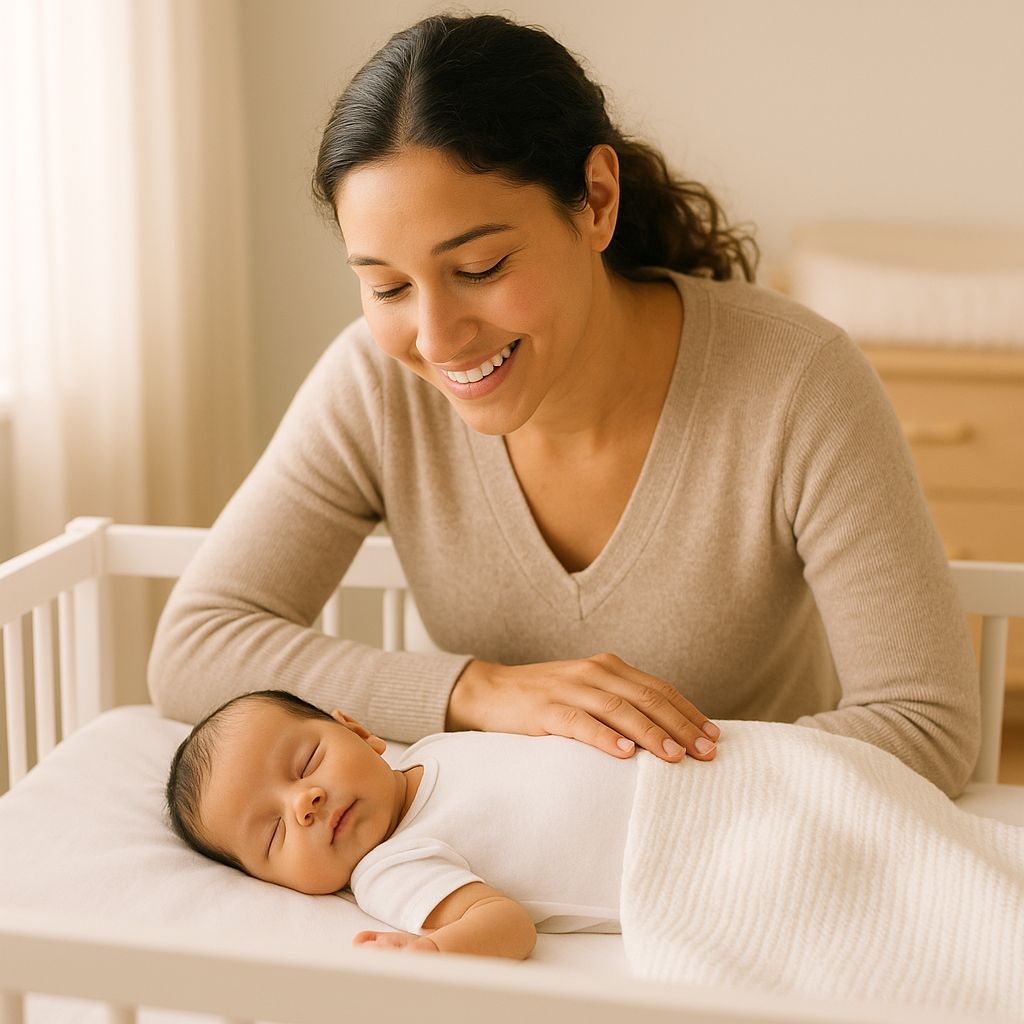
The single most important safe sleep practice is placing newborns on their backs for every sleep, including naps and nighttime sleep. Clinical studies have shown that prone (stomach) and side positions increase the risk of SIDS.
- Back is Best: Supine sleep position offers optimal airway protection and reduces vulnerability to SIDS.
- Consistency Matters: Babies must be placed on their backs every time, regardless of the time of day.
- Rolling Over: Once an infant can roll independently, continue to place them on their back but allow them to adopt their own position.
2. Create a Firm and Safe Sleep Environment
A safe sleep environment starts with a firm, flat mattress in a safety-approved crib, bassinet, or portable play yard. Soft surfaces, such as couches, armchairs, or adult beds, markedly increase suffocation risk.
- Crib Safety: Use a crib that meets current safety standards. The mattress should fit snugly without gaps.
- No Soft Objects: Remove pillows, blankets, stuffed animals, bumper pads, and loose bedding.
- Flat Surface: The sleep surface should be free from inclines. Inclined sleepers are not recommended due to risk of asphyxiation.
- Room Temperature: Maintain a comfortable temperature (68–72°F; 20–22°C) to avoid overheating.
3. Room-Sharing Without Bed-Sharing
Clinical evidence supports room-sharing as a protective factor against SIDS, while bed-sharing is associated with increased risk.
- Room-Sharing: Place the baby’s crib or bassinet in the parents’ room, close to the bed but not in the bed.
- Duration: Room-sharing is recommended for at least the first six months, ideally up to one year.
- Bed-Sharing Risks: Bed-sharing increases the risk of suffocation, entrapment, and SIDS, especially if parents are tired, use alcohol, or smoke.
4. Swaddling and Sleepwear: Evidence-Based Practices
Swaddling is a traditional practice that can promote sleep by reducing startle reflex, but clinical guidelines emphasize caution.
- Safe Swaddling: Ensure swaddles are snug but allow for hip movement. Never swaddle too tightly around the chest or hips.
- Discontinue Swaddling: Stop swaddling as soon as the baby shows signs of rolling over, typically around 3-4 months.
- Sleep Clothing: Use wearable blankets or sleep sacks instead of loose blankets. Choose breathable fabrics.
5. Avoid Overheating: Dress Newborns Appropriately
Overheating is a modifiable risk factor for SIDS. Clinical studies recommend dressing newborns in light sleep clothing and avoiding heavy blankets or overdressing.
- Check for Signs: Watch for sweating, damp hair, flushed cheeks, or rapid breathing as signs of overheating.
- Room Temperature: Maintain a moderate temperature and monitor regularly.
6. Keep the Sleep Environment Smoke-Free
Exposure to tobacco smoke, both prenatal and postnatal, dramatically increases SIDS risk. The CDC recommends maintaining a smoke-free home and avoiding secondhand smoke exposure.
- Smoking Cessation: Encourage all household members to quit smoking.
- Ventilation: Ensure good ventilation and avoid smoke exposure in the baby’s environment.
7. Breastfeeding and Pacifier Use: Protective Factors
Research suggests that breastfeeding and pacifier use during sleep may reduce SIDS risk.
- Breastfeeding: Exclusive breastfeeding for at least the first six months is associated with a lower incidence of SIDS.
- Pacifiers: Offering a pacifier at sleep time may be protective, but do not force the baby if uninterested. Wait until breastfeeding is well established (typically after 2-4 weeks).
8. Routine Sleep Safety Checks
Regularly inspect the crib and sleep environment for hazards.
- Crib Inspection: Check for loose screws, broken slats, or gaps.
- Safe Positioning: Place the crib away from window blinds, cords, and other potential strangulation hazards.
9. Avoid Use of Sleep Positioners and Products Not Clinically Recommended
Many commercial products claim to reduce SIDS, but most lack clinical evidence and may pose risks.
- Sleep Positioners: Do not use sleep positioners, wedges, or similar devices unless prescribed for medical reasons.
- Inclined Sleepers: The AAP advises against using inclined sleepers due to documented suffocation hazards.
10. Monitor and Respond to Signs of Sleep Disorders or Illness
While most newborns experience irregular sleep patterns, persistent apnea, snoring, or cyanosis (blue or gray skin) warrant prompt medical evaluation.
- Medical Consultation: Seek pediatric evaluation for abnormal breathing or suspected sleep disorders.
Clinical Guidelines from Leading Organizations
- American Academy of Pediatrics (AAP): Sleep-Related Infant Deaths: Updated 2022 Recommendations
- Centers for Disease Control and Prevention (CDC): Safe Sleep for Babies
- World Health Organization (WHO): Sudden Infant Death Syndrome Fact Sheet
Conclusion: Research-Based Parenting for Optimal Newborn Sleep Safety
Implementing safe sleep practices is a fundamental responsibility for parents and caregivers. By adhering to clinical guidelines, maintaining a safe sleep environment, and being vigilant about modifiable risk factors, families can substantially reduce the risk of sleep-related infant deaths. Regularly reviewing new evidence and recommendations ensures that practices remain up-to-date and effective.
Key Takeaways
- Always place newborns on their backs for sleep.
- Use a firm, flat sleep surface free from soft objects and loose bedding.
- Room-share without bed-sharing for at least the first six months.
- Swaddle safely and discontinue when baby shows signs of rolling.
- Maintain a smoke-free environment and avoid overheating.
Frequently Asked Questions (FAQ)
- What is the safest sleep position for newborns?
- The safest sleep position for newborns is on their backs. Placing babies on their backs significantly reduces the risk of Sudden Infant Death Syndrome (SIDS), according to the American Academy of Pediatrics (AAP).
- Can newborns sleep with blankets or stuffed animals?
- No. Blankets, stuffed animals, pillows, and other soft items should not be placed in a newborn's sleep area. These items increase the risk of suffocation and SIDS.
- Is swaddling safe for newborns?
- Swaddling can be safe when done correctly. Ensure the swaddle is snug but not too tight, especially around the hips, and discontinue swaddling when the baby shows signs of rolling over.
- Should newborns sleep in the same room as parents?
- Yes. Room-sharing (but not bed-sharing) is recommended for at least the first six months. This arrangement reduces the risk of SIDS.
- How can I prevent overheating during newborn sleep?
- Dress your baby in light sleep clothing and maintain a comfortable room temperature. Avoid overdressing or using heavy blankets.
References
- American Academy of Pediatrics. (2022). Sleep-Related Infant Deaths: Updated 2022 Recommendations for Reducing Infant Deaths in the Sleep Environment. Pediatrics, 150(5), e2022057990.
- Centers for Disease Control and Prevention. Safe Sleep for Babies. https://www.cdc.gov/sids/SafeSleep.html
- World Health Organization. Sudden Infant Death Syndrome Fact Sheet. https://www.who.int/news-room/fact-sheets/detail/sudden-infant-death-syndrome
- Hauck FR, Tanabe KO. (2022). SIDS and Safe Sleep. In: UpToDate.