
Safe Sleep Guidelines Every Parent Should Follow
As a parent, ensuring your child’s safety is your top priority—especially when it comes to sleep. Over the past few decades, research has revolutionized our understanding of infant sleep safety, helping families reduce the risk of Sudden Infant Death Syndrome (SIDS) and other sleep-related tragedies. Whether you’re a new parent or looking for a refresher, following expert-backed safe sleep guidelines can help your baby sleep soundly and safely.
Why Safe Sleep Matters
Each year, thousands of families are affected by sleep-related infant deaths. According to the American Academy of Pediatrics (AAP), SIDS remains a leading cause of death for infants between one month and one year old. Creating a safe sleep environment and following consistent sleep practices significantly lowers these risks and provides peace of mind for parents.
1. Always Place Babies on Their Backs to Sleep
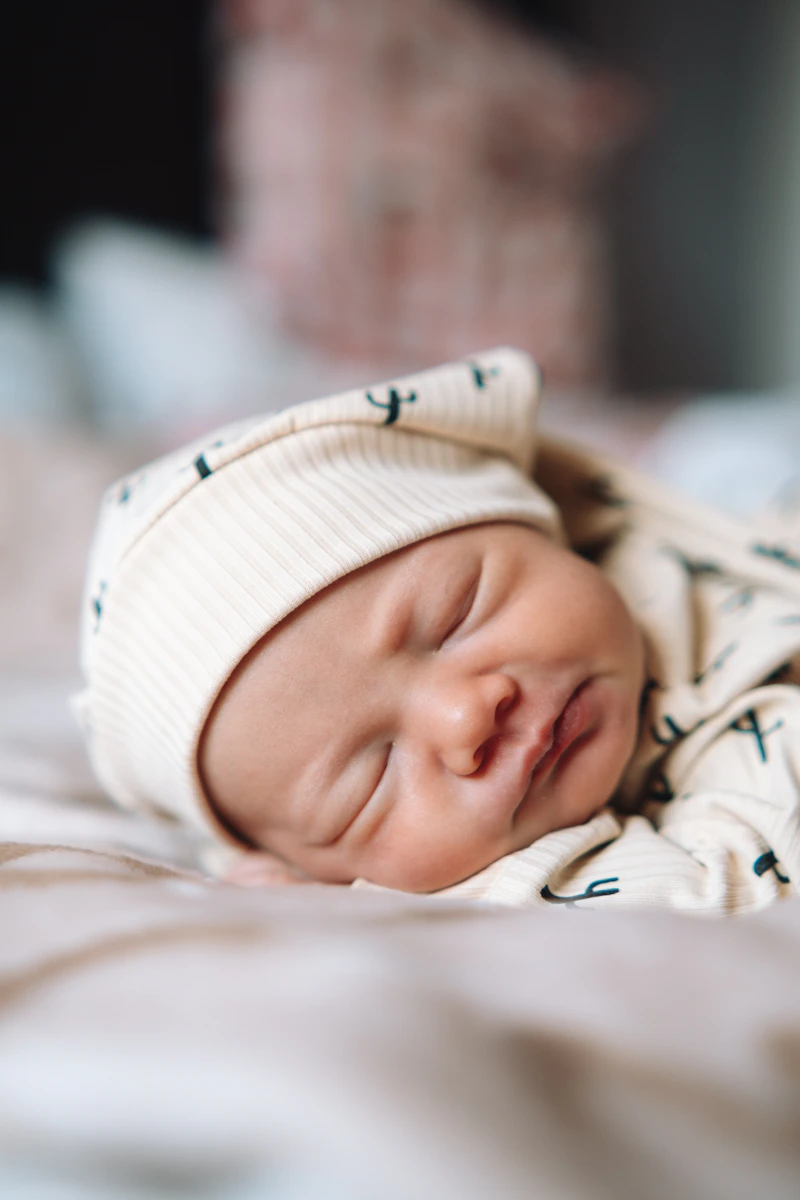
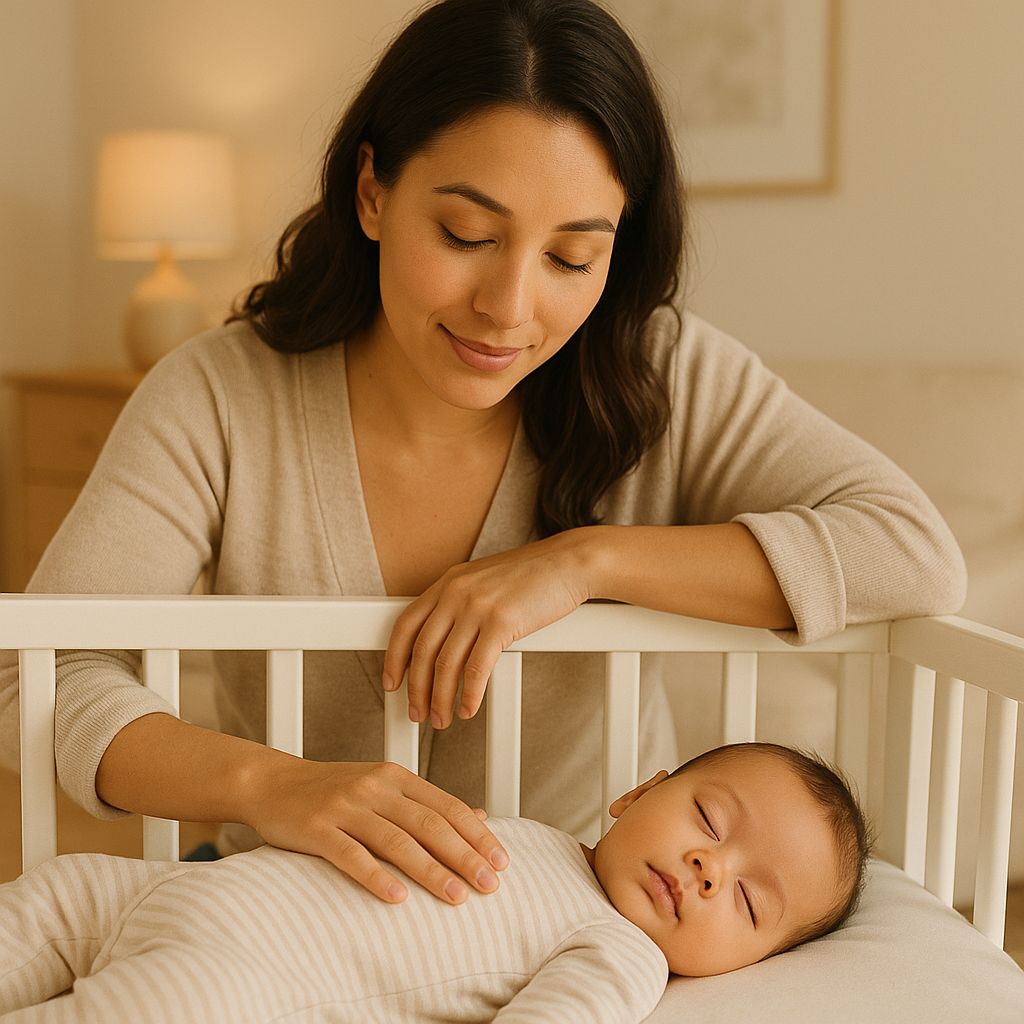
The most effective way to reduce the risk of SIDS is to place your baby on their back for every sleep—both naps and nighttime. Babies who sleep on their stomachs or sides are at a higher risk for SIDS. Once your baby can roll over independently, you don’t need to reposition them, but always start them on their backs.
2. Use a Firm, Flat Sleep Surface
Your baby should sleep on a firm, flat mattress covered by a fitted sheet designed for that specific crib or bassinet. Avoid soft mattresses, couches, armchairs, or adult beds, as these increase the risk of suffocation and entrapment. Never let your baby sleep on pillows, quilts, or other soft surfaces.
3. Keep the Sleep Area Bare
It’s tempting to decorate your baby’s crib with soft blankets, pillows, stuffed animals, or bumper pads, but these items are dangerous. The AAP recommends that the crib should be bare—no extra bedding, bumper pads, or toys. These items can block your baby’s airway or cause overheating.
4. Room-Share Without Bed-Sharing
Experts recommend keeping your baby’s sleep area in the same room where you sleep for at least the first six months, ideally up to one year. This practice, known as room-sharing, can reduce SIDS risk by as much as 50%. However, never share the same sleep surface (bed, couch, or chair) with your baby. Bed-sharing increases the risk of suffocation, strangulation, and SIDS.
5. Maintain a Comfortable Sleep Environment
Keep your baby’s room at a comfortable temperature—typically between 68–72°F (20–22°C). Overheating is a known risk factor for SIDS. Dress your baby in appropriate sleep clothing, such as a sleep sack or wearable blanket, and avoid extra layers. If you notice your baby sweating, flushed, or hot to the touch, remove a layer.
6. Avoid Sleep Positioners and other Unapproved Products
Though sleep positioners, wedges, and anti-roll devices are marketed as helpful, they can do more harm than good. The FDA and AAP warn that these products pose a suffocation risk and should not be used. The safest sleep environment is a flat, bare crib or bassinet with no added accessories.
7. Breastfeed If Possible
Breastfeeding has been shown to reduce the risk of SIDS. If possible, breastfeed your baby exclusively for the first six months. If exclusive breastfeeding isn’t possible, any amount helps. Avoid falling asleep with your baby during nighttime feeds—if you feel sleepy, put your baby back in their safe sleep space as soon as feeding is complete.
8. Offer a Pacifier at Naptime and Bedtime
Studies suggest that offering a pacifier at sleep times can reduce SIDS risk. If you’re breastfeeding, wait until breastfeeding is well-established (usually 3–4 weeks) before introducing a pacifier. Don’t force your baby to take it, and don’t attach it to clothing or toys in the crib.
9. Avoid Smoke Exposure
Protect your baby from all forms of smoke—cigarettes, vaping, and even third-hand residue. Exposure to smoke increases the risk of SIDS. Make your home and car smoke-free zones, and avoid letting anyone who smokes handle your baby without washing their hands and changing clothes.
10. Stay Informed on Safe Sleep Recommendations
Guidelines for sleep safety evolve as new research emerges. Regularly check resources like the AAP Safe Sleep Guide for the latest information. Share this knowledge with all caregivers—grandparents, babysitters, and daycare providers.
Common Safe Sleep Mistakes (And How to Avoid Them)
- Co-sleeping out of convenience: While it might seem easier, bed-sharing increases risks. Set up your baby’s crib or bassinet next to your bed instead.
- Using unapproved sleep products: Only use cribs, bassinets, or play yards that meet current safety standards.
- Improper swaddling: If you swaddle, ensure the hips can move and the swaddle isn’t too tight. Stop swaddling when your baby shows signs of rolling over.
- Letting babies sleep in swings, car seats, or bouncers: These are not safe for routine sleep and can cause breathing difficulties.
Safe Sleep for Toddlers and Older Children
While the highest risk for sleep-related deaths is during infancy, safe sleep remains important as children grow. Here are a few age-appropriate tips:
- Transition gradually: Move your child to a toddler bed when they can climb out of their crib, usually between 18–36 months.
- Continue routine: Maintain consistent bedtime routines for healthy sleep habits.
- Keep cords and strings away: Ensure window blind cords, monitor cords, and other hazards are out of reach.
- Use fitted sheets: For older children, continue using well-fitted sheets and avoid heavy bedding until your child is developmentally ready.
Frequently Asked Questions About Safe Sleep
What is the safest sleep position for my baby?
The safest position is on the back for all sleep times. This reduces SIDS risk and is recommended until your baby turns one.
Can my baby sleep in the same bed as me?
No. It’s safest for your baby to sleep in your room, but in their own crib or bassinet.
Are sleep positioners or wedges safe?
No. These items can be dangerous and are not recommended.
How can I keep my baby warm without blankets?
Use snug sleepwear, like a sleep sack, and keep the room at a comfortable temperature.
When can my baby sleep with a blanket or stuffed animal?
Wait until after your baby’s first birthday to introduce any soft bedding or toys to their sleep space.
Empowering All Caregivers
Remember, everyone who cares for your child should know these safe sleep guidelines. Share this information with grandparents, babysitters, daycare staff, and anyone else who puts your baby down for sleep. Consistency across all caregivers is key to keeping your little one safe.
Conclusion: Your Baby Deserves Safe Sleep
Following safe sleep guidelines is one of the most powerful ways you can protect your baby during their early years. By placing your baby on their back, using a firm and bare sleep surface, and eliminating hazards, you’re giving your child the best start for healthy, restful sleep. Stay informed, trust your instincts, and know that these small steps make a big difference in your baby’s well-being. Sweet dreams!