
Safe Mosquito Protection Methods for Babies
Summer brings sunshine, outdoor adventures, and unfortunately—mosquitoes. For parents, keeping babies safe from mosquito bites is a top priority. Not only are bites uncomfortable and itchy, but mosquitoes can also carry diseases that pose risks to infants. If you’re wondering how to protect your little one from these pesky insects, you’re in the right place. This comprehensive guide covers safe mosquito protection methods for babies, so you can enjoy the season with peace of mind.
Why Mosquito Protection Matters for Babies
Mosquitoes aren’t just a nuisance—they can transmit diseases like West Nile virus, Zika, dengue, and malaria. Babies, with their delicate skin and developing immune systems, are more susceptible to bites and allergic reactions. Even if you live in an area where mosquito-borne diseases are rare, protecting your baby from bites is essential for comfort and health.
Physical Barriers: The Safest Defense
When it comes to babies, physical barriers are the gold standard in mosquito protection. Here are the best options:
Mosquito Nets
- Crib Nets: Install a fine mesh mosquito net over your baby’s crib, bassinet, or stroller. Ensure it’s securely fastened and does not pose a suffocation risk.
- Stroller Covers: Use stroller mosquito net covers for outings. These keep mosquitoes out while allowing airflow.
- Play Area Nets: If your baby plays outdoors, consider a portable netted play yard.
Choose nets with holes smaller than 1.5mm to prevent mosquitoes from squeezing through. Always check for tears or gaps.
Protective Clothing
- Long Sleeves and Pants: Dress your baby in lightweight, long-sleeved shirts and pants. Light colors deter mosquitoes, as dark clothing attracts them.
- Hats and Socks: Cover your baby’s head and feet, which are common bite targets.
- Breathable Fabrics: Use cotton and other breathable materials to prevent overheating.
Home Environment
- Window and Door Screens: Install screens to keep mosquitoes outside.
- Fans: Mosquitoes struggle against air currents. Use fans in your baby’s room or play area.
- Keep Doors Closed: Reduce entry points for mosquitoes.
Safe Mosquito Repellents for Babies
Sometimes, physical barriers aren’t enough, especially during outdoor adventures. Repellents can help, but safety is crucial. Here’s what you need to know:
Age Guidelines
- Under 2 Months: No chemical repellents are recommended. Stick to nets and clothing.
- 2 Months and Older: Use only baby-safe repellents, following manufacturer and pediatrician guidelines.
Types of Repellents
- DEET: The CDC recommends up to 30% DEET for babies over 2 months. Never apply on hands, face, or broken skin. Wash off with soap and water after exposure.
- Picaridin: Effective and less greasy than DEET. Safe for babies over 2 months.
- IR3535: Found in some baby-friendly repellents. Safe when used as directed.
Application Tips:
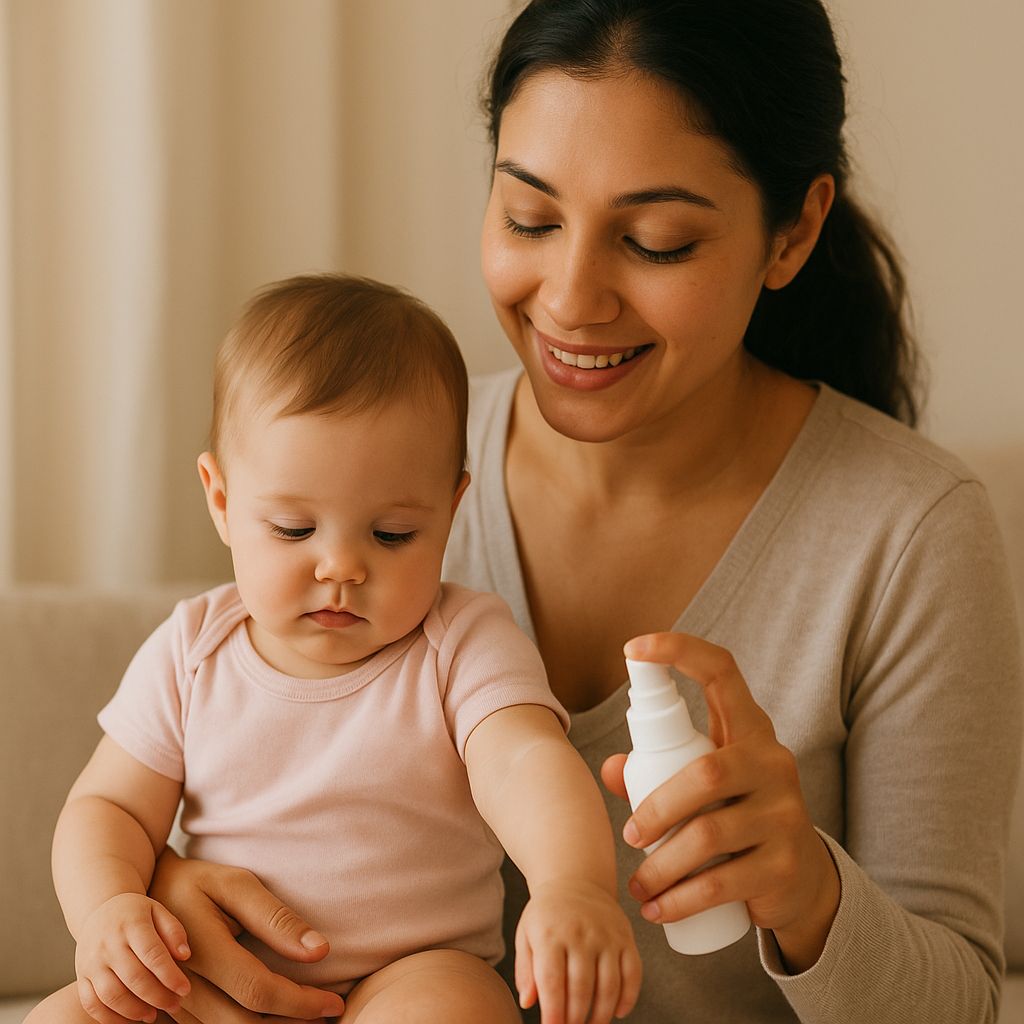
- Apply repellent to your hands first, then gently rub onto your baby’s exposed skin.
- Avoid applying near eyes, mouth, and hands (babies often put hands in their mouth).
- Do not use under clothing or on irritated skin.
Natural Repellents
Many parents prefer natural alternatives. While some essential oils like citronella, lavender, and lemon eucalyptus are mosquito deterrents, not all are safe for babies. Here’s what to consider:
- Lemon Eucalyptus Oil: Not recommended for children under 3 years.
- Citronella: Use with caution and avoid direct skin application.
- DIY Sprays: Consult your pediatrician before using any homemade or essential oil-based repellent.
Patch test any new product and monitor for allergic reactions.
Home Strategies for Mosquito Control
Keeping mosquitoes out of your home is just as important as protecting your baby outside. Here are expert-recommended tips:
- Remove Standing Water: Mosquitoes breed in stagnant water. Check flower pots, toys, gutters, bird baths, and pet bowls regularly.
- Use Indoor Mosquito Traps: Place traps away from your baby's sleeping area.
- Plant Mosquito-Repellent Plants: Lavender, marigold, basil, and citronella plants can help deter mosquitoes outdoors.
- Keep Rooms Cool: Mosquitoes are less active in cooler environments.
Tips for Outdoor Activities
Outdoor fun shouldn’t be spoiled by mosquitoes. Here’s how to keep your baby safe:
- Choose Outing Times Carefully: Mosquitoes are most active at dawn and dusk. Opt for midday outings.
- Stay Away from Bushes and Water: Avoid areas with dense vegetation or water sources.
- Bring a Portable Net: Use a travel crib or stroller with a net cover.
- Apply Repellent to Your Clothing: For babies under 2 months, apply repellent to your own clothes and keep baby close.
What to Do If Your Baby Gets Bitten
Even with precautions, bites can happen. Here’s how to handle them safely:
- Wash the Area: Clean with soap and water.
- Apply Cold Compress: Reduce swelling and discomfort.
- Use Baby-Safe Anti-Itch Cream: Only if recommended by your pediatrician.
- Monitor for Allergic Reaction: Look for excessive swelling, hives, or signs of infection. Contact your doctor if concerned.
Common Myths About Mosquito Protection
- Myth: Natural repellents are always safe for babies.
Truth: Many essential oils can irritate baby skin or cause allergic reactions. - Myth: Mosquitoes don’t bite indoors.
Truth: Mosquitoes can invade homes, especially if windows or doors are left open. - Myth: Mosquito bites are harmless.
Truth: Bites can cause allergic reactions, discomfort, and in rare cases, disease transmission.
Expert Recommendations
Pediatricians and public health experts agree on the following:
- Prioritize physical barriers and home prevention.
- Use chemical repellents only when necessary and follow age guidelines.
- Monitor for allergic reactions after bites or repellent use.
- Consult your pediatrician for personalized recommendations.
Seasonal Considerations
Mosquito activity peaks in warm, humid seasons. In summer, take extra precautions, especially if your region is prone to outbreaks. Spring and fall may also see increased mosquito populations after rain.
Conclusion: Keeping Babies Mosquito-Free
Protecting your baby from mosquitoes doesn’t have to be stressful. Use a layered approach—physical barriers, safe repellents, and smart home strategies—to keep your little one comfortable and healthy. Always follow age-specific guidelines, consult your pediatrician, and enjoy the sunny days knowing your baby is safe from bites!
Key Takeaways
- Mosquito bites are a health concern for babies.
- Physical barriers like nets and clothing are safest.
- Use repellents only as recommended for your baby’s age.
- Keep your home mosquito-free with practical strategies.
- Consult your pediatrician for personalized advice.
FAQs
- Are mosquito repellents safe for babies?
Not all mosquito repellents are safe. Use only those recommended for infants, follow age guidelines, and avoid applying on sensitive areas. - What is the safest way to protect babies from mosquitoes?
Physical barriers like nets and clothing are safest for all ages. - Can I use natural repellents on my baby?
Consult your pediatrician before using any natural or essential oil-based product on your baby. - How can I keep mosquitoes out of my home?
Install screens, remove standing water, and use indoor mosquito traps.