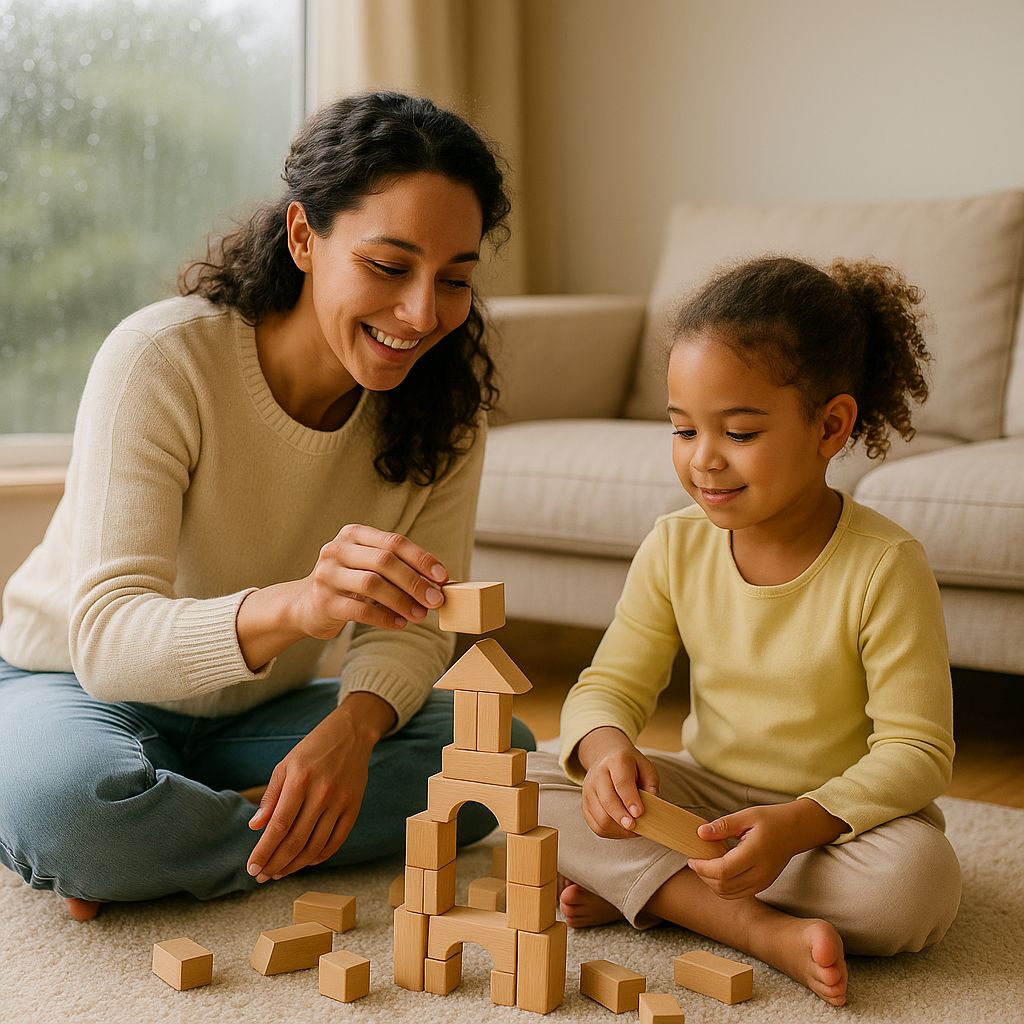

Tips for Safe Indoor Play During Rainy Days
Rainy days can put a damper on outdoor fun, but they also offer a wonderful opportunity for cozy, creative, and safe indoor play. Whether you have toddlers, preschoolers, or school-aged kids, keeping them entertained—and protected—while stuck inside is essential. At Growing Giggles, we know the challenges parents face when the weather turns wet. Read on for expert tips to turn those gloomy days into safe, joyful memories!
Why Indoor Play Safety Matters
When rain pours and outdoor playgrounds become puddles, your living room or playroom transforms into the new adventure zone. But unlike outdoor parks, homes aren’t always designed with active play in mind. Indoor play can introduce risks like slips, falls, and clutter-related accidents. Proactive safety measures help ensure kids can play freely without unnecessary hazards.
1. Prepare a Safe Play Space
- Clear the Clutter: Remove unnecessary items, toys, and furniture from the play area. A tidy space reduces tripping hazards and gives kids room to move.
- Install Soft Mats: Use foam mats, rugs, or carpet to cushion falls. Especially important for younger children, soft flooring minimizes injuries from slips or tumbles.
- Secure Furniture: Anchor heavy furniture to walls, cover sharp corners with protectors, and avoid placing play areas near windows or breakables.
- Check for Hazards: Inspect the room for electrical outlets, wires, and small objects. Keep choking hazards out of reach and ensure all toys are age-appropriate.
- Set Boundaries: Use baby gates or play pens to define safe zones for little ones, especially if your home has stairs or open spaces.
2. Supervise and Establish Safety Rules
Even the safest indoor space needs supervision. Explain rules before play begins: no running on slippery floors, no climbing furniture, and the importance of sharing toys. Regularly remind children of these guidelines, especially during energetic games.
- Assign a Watchful Adult: Always have an adult nearby, especially with younger kids or during high-energy activities.
- Use Visual Reminders: Post simple safety rules on the wall—pictures work great for pre-readers!
- Encourage Communication: Teach children to inform adults if they see something unsafe or need help.
3. Choose Engaging, Safe Activities
Rainy days are perfect for creativity! Choose activities that encourage movement, imagination, and learning without compromising safety.
- Indoor Obstacle Courses: Use pillows, tunnels, and mats to create a course. Set up boundaries and guide kids through each section to prevent collisions.
- Arts and Crafts: Set up a dedicated craft table with washable supplies. Supervise the use of scissors and glue, and keep all art materials within reach.
- Building Forts: Encourage kids to build forts with blankets, cushions, and chairs. Remind them not to climb on furniture and keep fort-building low to the ground.
- Board Games and Puzzles: Ideal for all ages, board games and puzzles foster teamwork and problem-solving. Choose age-appropriate options and supervise small pieces.
- Imaginative Play: Dress up, puppet shows, and pretend play let kids explore new worlds. Create a dedicated space for costumes and props to avoid tripping.
- Music and Dance: Play music and have a dance-off! Clear the floor and ensure there’s plenty of space for safe movement.
4. Organize Toys and Rotate Play Options
Too many toys can overwhelm children and create clutter. Organize toys into bins, shelves, or baskets, and rotate options to keep play fresh and exciting.
- Label Storage: Use labels or pictures to help kids know where toys belong. This makes cleanup easier and prevents lost pieces.
- Rotate Toys: Store some toys out of sight and switch them weekly. New options spark interest and reduce boredom.
- Set Up Activity Stations: Dedicate areas for reading, building, art, and movement. Changing stations keeps play purposeful and reduces chaos.
5. Clean and Disinfect Regularly
Rainy days can mean more germs indoors. Clean toys, mats, and surfaces often, especially after play sessions. Encourage kids to wash hands before and after play.
- Use Safe Cleaning Products: Choose child-friendly disinfectants and avoid harsh chemicals.
- Teach Hygiene Habits: Make handwashing a fun part of the routine—sing a song or use colorful soap!
6. Include Educational and Developmental Activities
Indoor play isn’t just about fun—it’s a chance to boost development. Mix in activities that nurture physical, cognitive, and social skills.
- Reading Corner: Set up a comfy nook with books for all ages. Reading together fosters language and imagination.
- STEM Activities: Simple science experiments, building sets, or puzzle games engage curious minds.
- Cooking Together: If safe, involve kids in simple cooking or baking activities. Teach kitchen safety and let them help with measuring or mixing.
- Yoga and Mindfulness: Guide kids through stretches, breathing exercises, or quiet time. This helps calm nerves and refocus energy.
7. Adjust for Age and Ability
Every child is different. Tailor activities and safety measures to your child’s age, ability, and interests.
- Infants and Toddlers: Use enclosed play mats, age-appropriate toys, and constant supervision. Avoid small parts and sharp edges.
- Preschoolers: Encourage active play (jumping, dancing), creative projects, and simple board games. Teach them to tidy up after themselves.
- School-Aged Kids: Involve them in planning activities, setting safety rules, and organizing their space. Offer more challenging games and crafts.
- Mixed Ages: Set up zones for different age groups and supervise shared play. Teach older kids to help younger siblings.
8. Keep Play Time Balanced
Rainy days can lead to marathon play sessions. Mix active play with rest, quiet activities, and snack breaks.
- Schedule Breaks: Encourage kids to pause and hydrate, use the bathroom, or relax with a book.
- Snack Smart: Offer healthy snacks during breaks to keep energy up.
- Monitor Screen Time: Balance hands-on play with limited screen-based activities.
9. Foster Family Involvement
Rainy days are perfect for family bonding. Join in the fun! Play games together, do crafts, or build something as a team. Encourage siblings to cooperate and share.
- Collaborative Projects: Try group crafts, family puzzles, or cooking together.
- Celebrate Achievements: Praise kids for safe play, teamwork, and creativity.
- Set Up Family Challenges: Host indoor scavenger hunts or friendly competitions.
10. Plan for Emergencies
Even with precautions, accidents can happen. Keep a first aid kit handy, know basic first-aid procedures, and have emergency contacts visible. Teach older children what to do in case of a minor injury.
- First Aid Basics: Stock bandages, antiseptic, and child-safe pain relief.
- Emergency Contacts: Post numbers for pediatricians and poison control in an easy-to-find spot.
- Teach Safety Procedures: Age-appropriate guidance on what to do if they need help.
Bonus: Creative Rainy Day Ideas
- Indoor Treasure Hunt: Hide clues and small prizes around the house.
- DIY Science Lab: Try safe experiments like making slime or volcanoes.
- Movie Marathon: Pick family favorites, make popcorn, and snuggle up.
- Mini Indoor Picnic: Lay out a blanket, pack snacks, and pretend you're outdoors!
- Home Theater: Let kids put on a play or puppet show for the family.
Conclusion
Rainy days don’t have to mean boredom—or unsafe play. With a little preparation, creativity, and teamwork, you can turn any indoor space into a safe haven for fun and learning. Remember, your involvement and guidance are key! Embrace those cozy, rainy moments and create lasting memories while keeping kids protected.
For more parenting tips, activities, and safety advice, follow Growing Giggles—your go-to guide for joyful, safe childhood adventures!