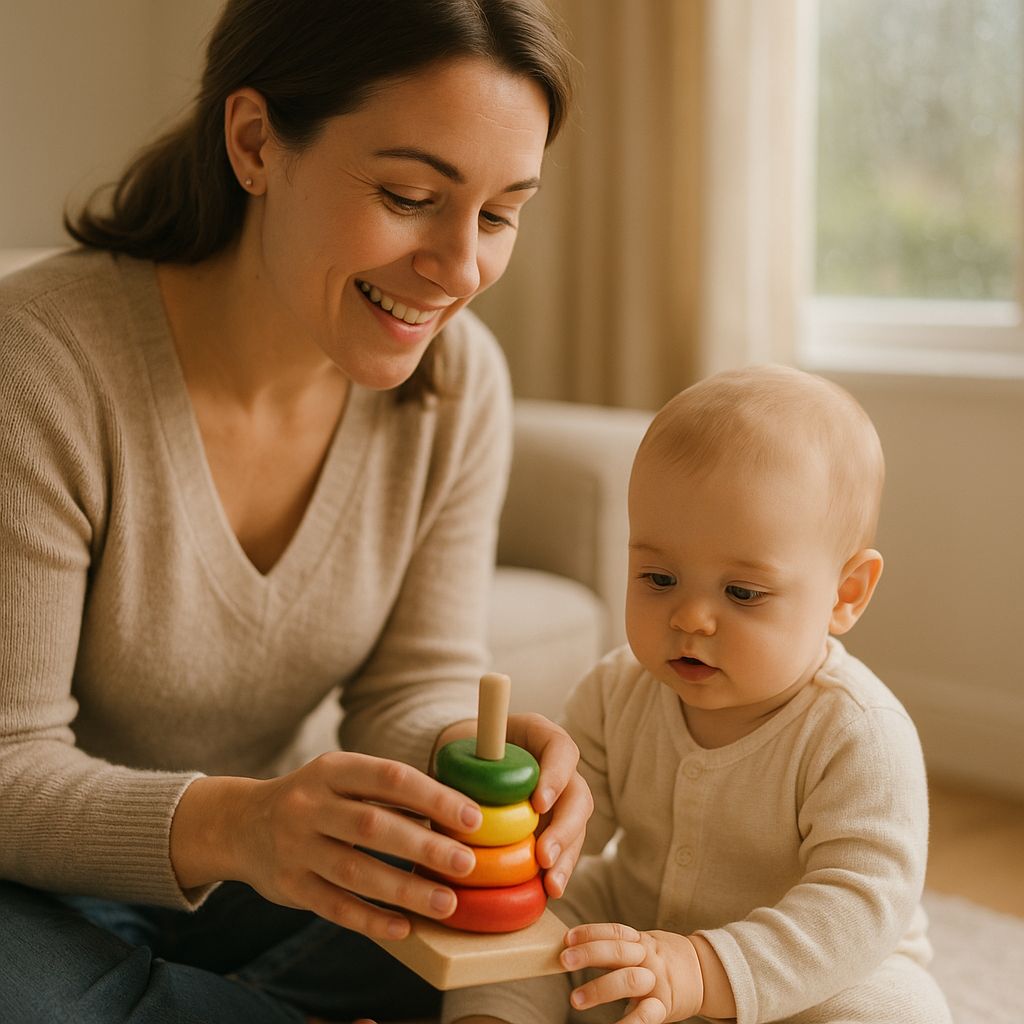

Safe Indoor Activities for Babies During Rainy Days
Rainy days can pose a unique challenge for parents and caregivers of infants. While outdoor excursions are off the table, the need for age-appropriate stimulation and safe play remains. This article, grounded in pediatric and developmental research, provides a comprehensive guide to safe indoor activities for babies. Discover how to transform dreary days into enriching experiences for your little one while prioritizing safety and developmental milestones.
The Importance of Safe Indoor Play for Babies
Infancy is a period of rapid growth across physical, cognitive, and emotional domains. According to the American Academy of Pediatrics (AAP), infants benefit from daily, supervised activities that encourage movement, sensory exploration, and social interaction. Rainy days need not disrupt this critical aspect of development. Instead, they offer opportunities for creativity and focused bonding in a controlled environment.
General Safety Guidelines for Indoor Baby Activities
- Constant Supervision: Never leave your baby unattended during play, especially when introducing new objects or environments.
- Age-Appropriate Materials: Select toys and objects designed for your baby's age group, avoiding small or detachable parts.
- Safe Play Area: Use clean, soft mats and ensure the area is free from sharp edges and choking hazards.
- Hygiene: Wash hands and sanitize toys before and after play, particularly during cold and flu season.
- Observe Baby’s Cues: Watch for signs of overstimulation, like fussiness or turning away, and adjust activities accordingly.
1. Tummy Time: The Cornerstone of Early Development
Tummy time is essential for building neck, shoulder, and trunk strength, and can be safely performed indoors regardless of the weather. According to the Centers for Disease Control and Prevention (CDC), babies should engage in supervised tummy time several times a day from birth.
- Place your baby on a firm, flat, and clean surface, such as a play mat.
- Engage with your baby by making eye contact, talking, or holding up colorful toys.
- Gradually increase tummy time duration as your baby grows stronger.
Research suggests that regular tummy time can help prevent positional plagiocephaly (flat head syndrome) and promote motor milestone achievement, such as rolling and crawling.
2. Sensory Play: Stimulate All Five Senses
Babies learn about their world through sensory exploration. Safe indoor sensory play can include:
- Texture Exploration: Offer a variety of safe materials (e.g., soft fabrics, silicone teethers, mesh sponges) for your baby to touch.
- Homemade Sensory Bags: Seal water, gel, or cooked pasta inside a double Ziploc bag (taped shut) for squishing and patting.
- Edible Sensory Bins: Fill a shallow tray with cooked rice or oatmeal for tactile play, ensuring close supervision to prevent ingestion.
- Auditory Play: Provide rattles, soft bells, or play gentle music to encourage listening and rhythm skills.
Studies show that sensory play enhances neural connections, supports fine motor development, and fosters curiosity. Always supervise closely and avoid small or breakable items.
3. Indoor Obstacle Crawling
For older infants (around 8 months and up), supervised crawling over soft pillows or through tunnels can promote gross motor skills. Arrange a safe course with:
- Pillows and cushions (no small or loose objects)
- Soft blankets draped for tunnels
- Large, stable objects for pulling up
Ensure the area is free from hard edges and monitor your baby to prevent falls.
4. Musical Activities and Baby Dance
Music stimulates auditory pathways and can soothe or energize your baby. Try these safe musical activities indoors:
- Gently sway or dance with your baby in your arms to calming tunes.
- Sing nursery rhymes with exaggerated facial expressions.
- Provide safe, easy-to-grip instruments like maracas or shakers.
Research in early childhood development indicates that music enhances memory, language acquisition, and emotional regulation.
5. Story Time and Picture Books
Reading to your baby is a cornerstone of language development. According to the Zero to Three Foundation, even very young infants benefit from exposure to books. Choose:
- Board books with high-contrast images for visual stimulation.
- Interactive books with textures or flaps.
- Soft cloth books for teething babies.
Hold your baby close, use expressive voices, and let them explore the book with their hands and mouth under supervision.
6. Mirror Play
Place a shatterproof mirror securely on the floor during tummy time. Babies are fascinated by reflections, which supports self-recognition and social development. Always supervise to ensure the mirror remains stable and safe.
7. Indoor Baby Gym or Activity Center
Baby gyms with hanging toys stimulate reaching, grasping, and visual tracking. Choose gyms with securely attached toys and no small parts. Place your baby on their back, encourage reaching, and alternate positions for variety.
8. Bubble Play
Blowing bubbles indoors can captivate infants. The visual tracking required to follow bubbles supports eye coordination. Use non-toxic, baby-safe bubble solution and keep bubbles away from your baby’s mouth and eyes. Always supervise closely.
9. Simple Art Exploration
For older babies (9 months+), safe art exploration can include:
- Edible finger paints made from yogurt and food coloring.
- Large, washable crayons for scribbling on thick paper (supervised).
These activities support fine motor skills and creativity. Ensure all materials are non-toxic and age-appropriate, and never leave your baby unattended during art sessions.
10. Indoor Stroller Walks or Babywearing
If your baby is restless, a walk around your home or apartment complex in a stroller or carrier can provide new sights and calm them. This is especially useful for babies who crave movement to self-soothe.
Structuring a Safe and Engaging Indoor Day
Here’s an example of how to balance activity and rest:
- Morning: Tummy time, followed by reading and sensory play.
- Midday: Music and gentle movement, then nap time.
- Afternoon: Crawling obstacle course or baby gym, then mirror play.
- Evening: Bubble play, cuddling, and story time before bed.
Watch your baby’s cues and adjust the schedule as needed. Overstimulation can occur quickly, so allow for quiet time and naps as appropriate.
Common Mistakes to Avoid
- Leaving babies unattended: Always supervise to prevent accidents, especially with new activities.
- Using unsafe materials: Avoid objects that are small, breakable, or have sharp edges.
- Overloading the schedule: Babies need plenty of rest. Too many activities can be overwhelming.
When to Consult a Pediatrician
Contact your child’s healthcare provider if you have concerns about developmental milestones, or if your baby shows signs of persistent fussiness, lethargy, or unusual behavior during or after play.
Conclusion
Rainy days do not have to mean dull or stagnant days for your baby. With thoughtful planning and a focus on safety, you can turn time indoors into a delightful blend of learning, bonding, and fun. By incorporating research-based activities like tummy time, sensory play, and music, you foster healthy development and create joyful memories – no matter the weather outside.
References
- American Academy of Pediatrics. (2020). Developmental Milestones.
- Centers for Disease Control and Prevention. (2023). Important Milestones: Your Baby By Six Months.
- Zero to Three Foundation. (2021). The Power of Play.
- National Association for the Education of Young Children (NAEYC). (2022). Safe and Stimulating Play Spaces.