Safe Bedding Practices for Babies: An Essential Guide for Parents
Creating a safe sleep environment for your baby is one of the most important responsibilities you have as a parent. Bedding choices and sleep routines play a critical role in reducing the risk of Sudden Infant Death Syndrome (SIDS) and other sleep-related hazards. This comprehensive guide offers up-to-date, expert-backed advice on safe bedding practices for babies, equipping you with the knowledge needed to ensure your little one's restful and secure sleep.
Why Safe Bedding Matters
Unsafe bedding is a major contributing factor to sleep-related infant deaths, including SIDS, suffocation, and strangulation. According to the American Academy of Pediatrics (AAP), creating a safe sleep environment can significantly reduce these risks. Bedding safety is not just about comfort—it's about protecting your baby during their most vulnerable months.
Establishing a Safe Sleep Space: The Basics
- Location: Place your baby to sleep in a safety-approved crib, bassinet, or portable play yard.
- Position: Always lay your baby on their back for all sleep times—naps and overnight.
- Surface: Use a firm, flat mattress with a tight-fitting crib sheet. Avoid soft or memory-foam mattresses.
What to Avoid in Your Baby’s Sleep Area
- No Loose Bedding: Blankets, quilts, comforters, and sheets that are not fitted can cover a baby’s face, increasing the risk of suffocation.
- No Pillows or Cushions: Babies do not need pillows, positioners, or cushions. These items are unnecessary and potentially dangerous.
- No Stuffed Animals or Toys: Remove all soft objects from the crib. Even the smallest stuffed animal can pose a risk.
- No Bumper Pads: Crib bumpers can cause suffocation or entrapment and have been banned in many regions.
Choosing the Right Crib and Mattress
Ensure your baby's crib meets the latest safety standards:
- Crib slats should be no more than 2 3/8 inches apart to prevent entrapment.
- Check that the mattress fits snugly, with no gaps larger than two fingers between the mattress and crib.
- Remove any plastic wrapping before first use and ensure all hardware is secure.
Safe Bedding Materials
- Fitted Sheets: Always use a fitted sheet designed for your crib mattress. It should fit tightly and not come loose with movement.
- Wearable Blankets: Also known as sleep sacks, these provide warmth without the suffocation risk of loose blankets.
- Breathable Fabrics: Choose organic cotton or bamboo for fitted sheets and sleep sacks, as these materials are gentle on sensitive skin and help regulate temperature.
Room Sharing: The Safer Alternative to Bed-Sharing
The AAP recommends that infants sleep in the same room as their parents, but not in the same bed, for at least the first six months. Room-sharing allows for easier monitoring and feeding while dramatically reducing SIDS risk compared to bed-sharing.
Temperature and Overheating: What Parents Need to Know
Overheating increases the risk of SIDS. Follow these guidelines:
- Dress your baby in one more layer than you would wear to be comfortable.
- Keep the room at a temperature that is comfortable for a lightly clothed adult (usually 68–72°F or 20–22°C).
- Avoid hats, heavy sleepwear, or electric blankets.
Swaddling: Is It Safe?
Swaddling can be safe for newborns, but always follow these rules:
- Use a lightweight, breathable swaddle blanket.
- Never place a swaddled baby on their stomach.
- Stop swaddling as soon as your baby shows signs of rolling over, usually around 2–4 months old.
Common Myths About Baby Bedding Safety
- "My baby needs a pillow for comfort."
Pillows are not safe for infants and offer no benefit before age 1. - "Bumper pads prevent injuries."
Bumpers are more dangerous than helpful. Mesh bumpers are also not recommended. - "A soft mattress is cozier for my baby."
Only firm mattresses are safe.
Travel and Co-Sleeping Considerations
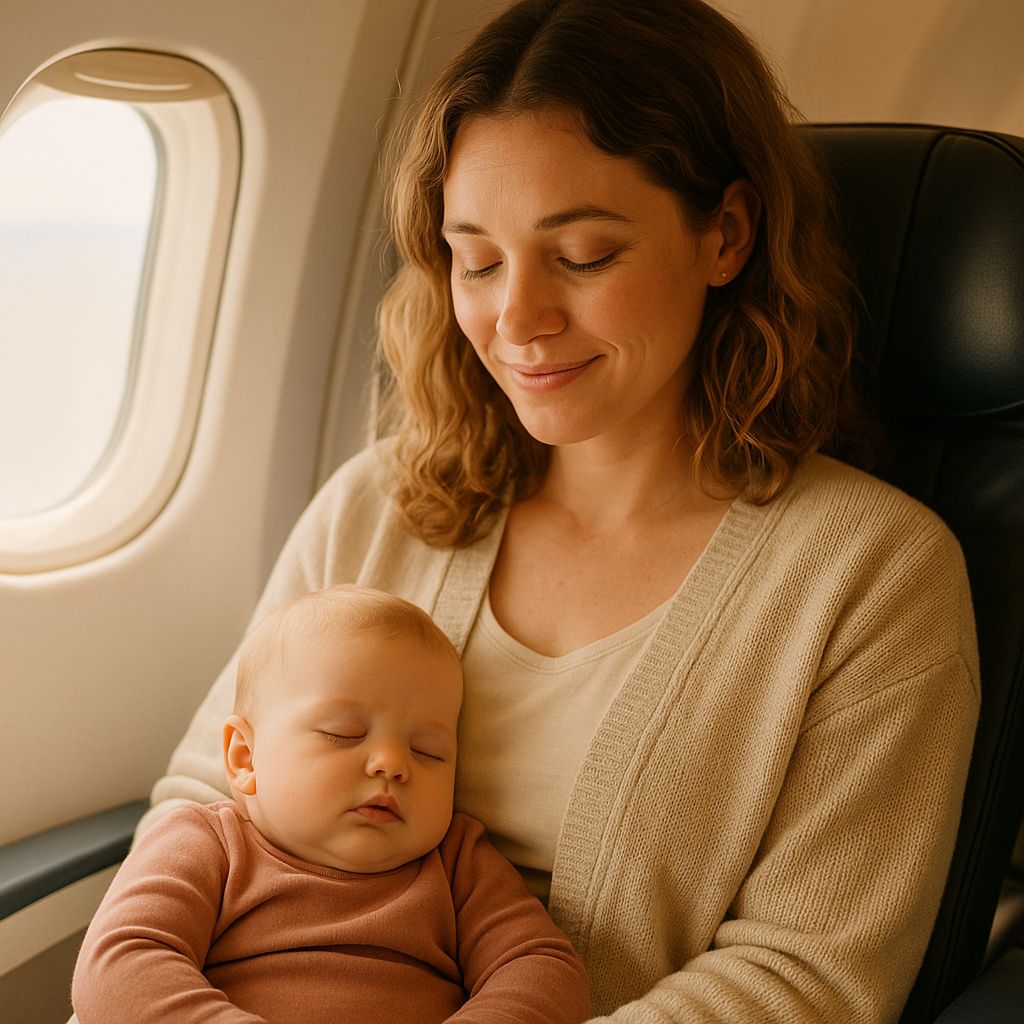
If you’re traveling, always use a portable, safety-certified crib or play yard. Never place your baby to sleep on an adult bed, couch, or armchair. Bed-sharing increases the risk of accidental suffocation, especially if parents are very tired, use alcohol, or smoke.
Safe Bedding Practices for Special Circumstances
Premature babies or those with medical needs may have additional considerations. Consult with your pediatrician or a neonatal specialist for customized bedding safety recommendations.
Creating a Safe and Soothing Sleep Routine
- Establish a consistent bedtime routine to help your baby recognize sleep cues.
- Keep the sleep area dim and free from distractions.
- Use a pacifier if desired (without attaching it to strings or bedding), as pacifier use is associated with reduced SIDS risk.
Regular Safety Checks
- Inspect the crib and mattress regularly for damage or wear.
- Ensure that all bedding remains snug, clean, and free of hazards.
- Stay updated with recalls or safety alerts on baby products.
Educating Caregivers and Family
Anyone who cares for your baby should be aware of safe bedding practices. Share this guide with grandparents, babysitters, and daycare providers to ensure consistency and safety in all environments.
Summary: The Do’s and Don’ts of Safe Bedding for Babies
| Do’s | Don’ts |
|---|---|
|
|
Final Thoughts
Safe bedding practices are essential for your baby’s well-being and your peace of mind. By following these evidence-based recommendations, you can create a nurturing and secure sleep environment. When in doubt, consult your pediatrician and always prioritize safety over aesthetic or convenience. Remember, a simple sleep space is a safe sleep space.
References
- American Academy of Pediatrics. "Sleep-Related Infant Deaths: Updated 2022 Recommendations for Reducing Infant Deaths in the Sleep Environment." Pediatrics, 2022.
- Centers for Disease Control and Prevention. "Sudden Unexpected Infant Death and Sudden Infant Death Syndrome." CDC SIDS
- Consumer Product Safety Commission. "Safe Sleep for Babies." CPSC Safe Sleep