
Room Temperature and Baby Sleep: What’s Ideal?
As loving parents, we’re always searching for ways to help our little ones sleep safely and soundly. One of the most crucial—but often overlooked—factors is room temperature. Creating a cozy, safe, and just-right sleep environment isn’t just about comfort; it’s about health and safety too. If you’re wondering, "What’s the ideal room temperature for my baby’s sleep?"—you’re not alone. In this comprehensive guide, we’ll explore the science, expert recommendations, and practical tips for keeping your baby’s nursery at the perfect temperature for restful nights and peace of mind.
Why Room Temperature Matters for Baby Sleep
Babies, especially newborns, can’t regulate their body temperature as efficiently as adults. Their small bodies lose heat quickly, and they’re also at risk of overheating. Both extremes can impact sleep quality, lead to discomfort, and, in severe cases, increase the risk of Sudden Infant Death Syndrome (SIDS). That’s why maintaining a safe, comfortable room temperature is an essential part of safe sleep practices.
The Science: What’s the Ideal Nursery Temperature?
Most pediatricians and sleep experts—including the American Academy of Pediatrics—recommend keeping the nursery between 68–72°F (20–22°C). This range supports your baby’s natural sleep cycles while minimizing the risk of overheating. Here’s why:
- Babies sleep best when they’re comfortable. Extremes of heat or cold can disrupt sleep and cause frequent waking.
- Overheating is a known SIDS risk factor. Maintaining a moderate temperature helps protect your baby.
- Cooler rooms promote deeper sleep. Just like adults, babies tend to sleep more soundly in a slightly cooler environment.
How to Measure Room Temperature
The temperature in your baby’s room might not match your thermostat, especially if the nursery gets more sun, has less insulation, or is upstairs. Here’s how to get an accurate reading:
- Use a room thermometer. Place it near your baby’s sleep area, away from windows, direct sunlight, or vents.
- Check regularly. Room temperature can fluctuate throughout the day and night, especially with changing seasons.
Signs Your Baby Is Too Hot or Too Cold
Babies can’t always tell us when they’re uncomfortable, but their bodies give us clues. Here’s what to watch for:
Signs of Overheating
- Sweating (especially on the back or neck)
- Damp hair
- Flushed or red cheeks
- Rapid breathing
- Restlessness
Signs Baby Is Too Cold
- Cold chest, back, or tummy (hands and feet may feel cool, but this is normal!)
- Pale or mottled skin
- Shivering (rare in newborns)
- Unusual fussiness or trouble settling
To check your baby’s comfort, feel their chest or the back of their neck. The skin should feel warm—not hot, sweaty, or cold.
Tips for Keeping the Nursery at the Ideal Temperature
- Use blackout curtains or shades to block sunlight on hot days.
- Open windows in the evening or overnight if outside temperatures are cooler (and safe to do so).
- Use a fan or air conditioner to regulate temperature, ensuring it’s not blowing directly on your baby.
- Keep the crib away from radiators, heaters, or direct sunlight.
- Close doors and windows during the hottest part of the day to keep cool air in.
- Dress your baby in light, breathable layers—adjust as needed for the season and room temperature.
- Consider a sleep sack or wearable blanket for cooler rooms; avoid loose bedding or hats.
Summer vs. Winter: Seasonal Adjustments
In summer:
- Dress your baby in a single light layer, like a short-sleeved onesie.
- Use a lighter sleep sack or none at all if it’s very warm.
- Monitor for signs of overheating, especially during heatwaves.
In winter:
- Use a heavier sleep sack or add a layer, but avoid hats or extra blankets in the crib.
- Check for drafts and use a space heater safely if necessary (never place it close to the crib).
Safe Sleep and SIDS Prevention
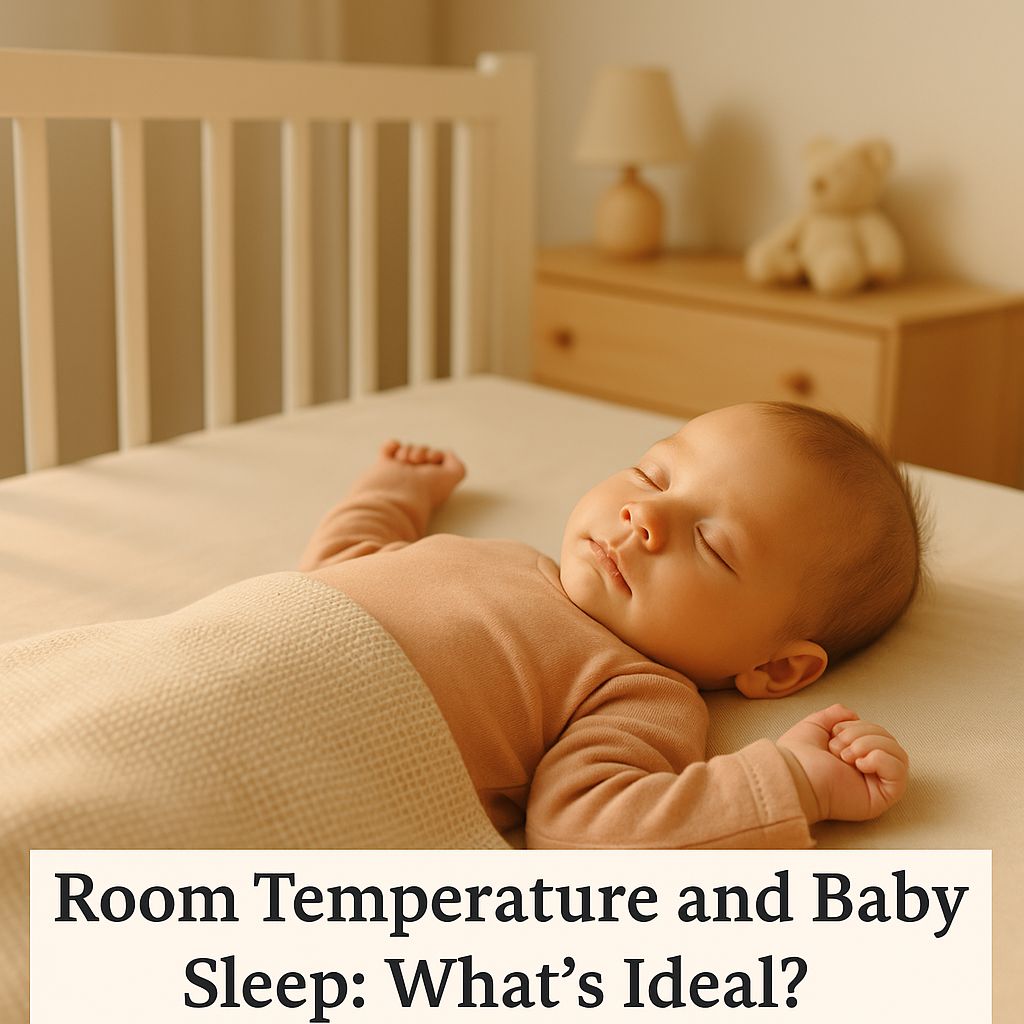
Overheating is one of the most significant preventable risk factors for SIDS. The safest sleep environment for your baby is:
- On their back, on a firm mattress
- In a crib, bassinet, or play yard that meets current safety standards
- No loose bedding, pillows, or stuffed animals
- Room temperature between 68–72°F (20–22°C)
Remember, your baby’s comfort and safety go hand-in-hand. Keeping the nursery at the right temperature is one of the simplest, most effective ways to support safe sleep.
Common Questions About Room Temperature and Baby Sleep
What is the safest room temperature for a sleeping baby?
Experts recommend keeping the nursery between 68–72°F (20–22°C). This moderate range supports sleep and reduces overheating risk.
How can I tell if my baby is too hot or too cold during sleep?
Feel your baby’s chest, neck, or back. If skin is sweaty or hot, remove a layer. If it’s cool, add one. Don’t rely on hands or feet, which are often cooler than the rest of their body.
Is it safe to use a fan in the baby’s room?
Yes—a ceiling or portable fan can help regulate temperature and improve air circulation. Studies show that fans may reduce SIDS risk. Just ensure the fan isn’t blowing directly on your baby and is out of reach.
What should my baby wear to sleep?
Dress your baby in light, breathable layers appropriate for the room temperature. In cooler rooms, a sleep sack or wearable blanket is a safe choice. Avoid hats, which can cause overheating, and keep loose blankets out of the crib.
What if my home gets very hot in summer?
Use blackout curtains, keep windows closed during the day, and open them at night if it’s cooler outside. Use a fan or air conditioner if available. Dress your baby lightly and monitor for signs of overheating.
Quick Reference: Safe Sleep Checklist
- Room temperature: 68–72°F (20–22°C)
- Baby sleeps on back, in a crib or bassinet
- No loose bedding, pillows, or toys
- Dress in layers, adjusting for comfort
- Monitor for signs of overheating or being too cold
Final Thoughts
Creating the ideal sleep environment for your baby involves more than the perfect crib or soothing lullabies—it’s also about the right temperature. By keeping your baby’s sleep space between 68–72°F (20–22°C) and dressing them appropriately, you’re providing the safest, most comfortable conditions for restful sleep. With a few simple adjustments and a little observation, you’ll help your baby sleep soundly—and give yourself peace of mind, too.
Remember: Every baby is unique. Some may run warmer or cooler than others. Trust your instincts, check on your little one, and adjust as needed. Sweet dreams!