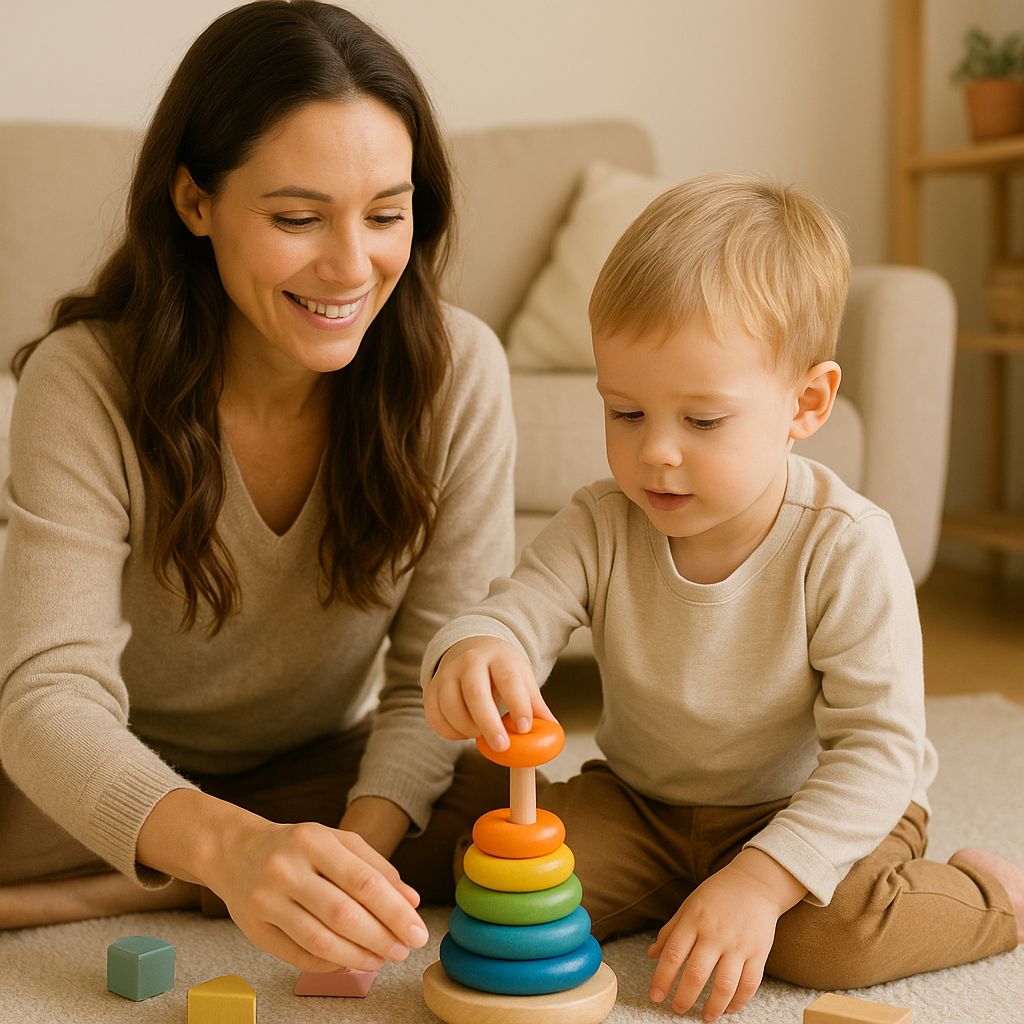

The Crucial Role of Play in Growth and Development: Unlocking Your Child’s Potential
Play is often perceived as mere entertainment for children, but extensive research and expert consensus reveal that play is a fundamental cornerstone in a child’s growth and development. It’s not just about fun and games—it’s about building the skills, confidence, and adaptability children need to thrive. In this comprehensive guide, we’ll explore the multifaceted role of play, its benefits, the types of play, and actionable strategies for parents and caregivers to nurture healthy development through play at every stage.
Understanding Play: More Than Just Fun
Play is instinctual and universal—children across cultures engage in it naturally. According to the American Academy of Pediatrics, play is essential for developing brains, bodies, and social bonds. It’s through play that children explore their environment, experiment with ideas, and discover themselves.
The Four Pillars of Development Supported by Play
- Physical Development: Play promotes gross and fine motor skills, coordination, balance, and strength.
- Cognitive Development: Through play, children learn problem-solving, critical thinking, language, and numeracy.
- Social Development: Interacting with peers teaches cooperation, negotiation, empathy, and conflict resolution.
- Emotional Development: Play helps children process emotions, build resilience, and develop self-regulation.
Types of Play and Their Developmental Benefits
1. Physical Play
Physical play includes activities like running, jumping, climbing, and dancing. It’s crucial for developing gross motor skills and overall health. Outdoor play, sports, and movement games encourage physical fitness and help children learn about their bodies’ capabilities and limitations.
2. Constructive Play
This form of play involves building, creating, and manipulating objects. Examples include block building, drawing, and crafting. Constructive play fosters fine motor skills, spatial awareness, creativity, and perseverance as children learn to finish projects and solve problems.
3. Imaginative or Pretend Play
Pretend play is when children create scenarios, roles, and stories—playing house, acting as superheroes, or caring for dolls. This type of play enhances language development, social understanding, and creativity. It allows children to experiment with different perspectives and practice real-life situations.
4. Social Play
Social play occurs when children interact with others—playing games, sharing toys, collaborating on projects, or engaging in group activities. It develops communication skills, teamwork, empathy, and self-control.
5. Solitary Play
Solitary play is when children play alone, exploring their interests independently. It’s important for imagination, concentration, and self-confidence. Children learn to entertain themselves and pursue their passions.
6. Guided Play
Guided play is adult-supported play where caregivers set the stage but allow children to direct the activity. This approach combines the benefits of exploration with gentle guidance, fostering deeper learning and engagement.
The Science Behind Play and Development
Neuroscientists and psychologists agree that play activates multiple areas of the brain, strengthening connections that are vital for learning and adaptability. Studies show that children who engage in diverse, quality play experiences have better emotional regulation, higher IQs, and improved social skills.
- Brain Development: Play stimulates neural pathways, supporting memory, processing speed, and executive function.
- Learning Through Play: Children learn best when actively engaged, manipulating materials, and connecting ideas in meaningful contexts.
Play Across Age Stages
Play evolves as children grow. Understanding age-appropriate play helps parents provide optimal opportunities for development.
Infants (0-1 year)
Play is sensory-based: touching, tasting, looking, and hearing. Simple games like peek-a-boo or gentle movement help infants build trust and basic skills.
Toddlers (1-3 years)
Toddlers engage in exploratory and manipulative play. Stacking toys, sorting shapes, and simple pretend games foster motor and cognitive development.
Preschoolers (3-5 years)
Pretend play, social play, and creative activities dominate. Children start to collaborate, negotiate, and build friendships. Activities like dress-up, art, and story-telling boost language and imagination.
School-Age Children (6-12 years)
More structured games, sports, and complex social play emerge. Children refine skills, follow rules, and develop teamwork. Board games, team sports, and group projects encourage problem-solving and cooperation.
The Benefits of Play: Evidence-Based Insights
- Physical Health: Active play reduces obesity risk, strengthens muscles, and improves cardiovascular health.
- Academic Achievement: Play-based learning enhances concentration, memory, and academic performance.
- Social Competence: Play teaches sharing, empathy, and emotional intelligence.
- Emotional Well-being: Play helps children manage stress, anxiety, and build resilience.
- Creativity & Innovation: Imaginative play nurtures creative thinking, adaptability, and innovation.
Parenting Strategies: Supporting Growth Through Play
1. Create a Safe and Stimulating Environment
Ensure your child has access to age-appropriate toys, materials, and safe spaces to explore and play. Rotate toys and encourage new experiences to stimulate curiosity.
2. Balance Structured and Unstructured Play
Provide opportunities for both guided activities (like puzzles, board games, and crafts) and free play. Unstructured play allows children to lead, make choices, and develop independence.
3. Join In and Engage
Play with your child! Shared play strengthens bonds, models positive behaviors, and offers chances to teach values and skills. Follow your child’s lead and be present.
4. Encourage Outdoor Play
Nature-based play fosters creativity, reduces stress, and improves physical health. Parks, gardens, and outdoor games are invaluable for holistic development.
5. Limit Screen Time
While educational apps can be beneficial, excessive screen time can hinder physical and social play. Set boundaries and prioritize hands-on, active play.
6. Observe and Reflect
Watch your child play and note their interests, strengths, and areas for growth. Use observations to tailor play opportunities and support their unique developmental journey.
Common Challenges and Solutions
- Lack of Time: Integrate play into daily routines—turn chores into games, use meal times for playful conversation.
- Limited Space: Use household items for creative play, encourage imaginative games, and utilize community resources like parks.
- Social Difficulties: Arrange playdates, join clubs, and model positive interactions to build social confidence.
Play and Lifelong Learning
Play is not just an early childhood phenomenon. The skills, attitudes, and habits formed through play lay the foundation for lifelong learning, adaptability, and well-being. Adults who embrace play are often more creative, resilient, and successful in managing stress and building relationships.
Conclusion: Making Play a Priority in Your Child’s Life
Understanding the role of play in growth and development empowers parents, caregivers, and educators to nurture children’s potential. Play is the language of children—a dynamic, joyful, and powerful tool for building the foundation of a healthy, happy, and successful life.
By offering diverse, meaningful play opportunities and engaging with your child, you support their journey through every stage of development. Make play a priority, and watch your child flourish.
Further Reading & Resources
- American Academy of Pediatrics: Play and Learn
- National Association for the Education of Young Children: Play
- Children’s Museum: The Role of Play in Child Development
Frequently Asked Questions
- Why is play important for child development?
- Play is essential as it helps children develop critical physical, cognitive, social, and emotional skills. Through play, children learn to problem-solve, communicate, manage emotions, and build relationships.
- What are the different types of play?
- Play includes various types such as physical play, imaginative play, social play, and constructive play. Each type offers unique benefits for different areas of child development.
- How can parents encourage healthy play?
- Parents can encourage healthy play by providing safe environments, offering a variety of toys and materials, joining in their child’s play, and allowing both free and structured playtime.
- Does play help with academic skills?
- Yes, play supports academic skills by enhancing language, math, and science abilities through hands-on exploration and problem-solving. It lays the foundation for lifelong learning.