
The Role of Play in Early Childhood Development: Building Foundations for Life
For generations, play has been considered the universal language of childhood—a joyful, spontaneous activity that seems like simple fun. However, mounting research in developmental psychology and neuroscience reveals that play is far more profound. It is, in fact, one of the most critical contributors to early childhood development, shaping the way children think, interact, and grow. In this in-depth guide, we'll explore the science behind play, its multifaceted benefits, the various forms it takes, and actionable strategies for parents to nurture healthy development through play.
Understanding the Importance of Play in Early Childhood
Play is not just a break from learning—it is learning. From birth through age eight, a child's brain is remarkably receptive, forming neural connections at an astonishing rate. During this sensitive period, play serves as the primary vehicle for learning, allowing children to explore their environment, test boundaries, and build essential life skills.
What Does Play Look Like?
Play is a spectrum of activities, ranging from a baby mouthing a rattle to a preschooler building an elaborate castle out of blocks. The common thread is that play is voluntary, enjoyable, and driven by the child’s interests. It can be solitary or social, quiet or rambunctious, structured or free-form.
Types of Play and Their Benefits
Understanding the main types of play helps parents and educators provide diverse experiences that foster well-rounded development. Some of the most common forms of play include:
- Free Play: Also known as unstructured play, this is child-led and spontaneous. It allows children to use their imagination, make decisions, and solve problems independently.
- Structured Play: Guided by adults, structured play often has specific goals or rules, such as board games, puzzles, or organized sports. It teaches cooperation, turn-taking, and following instructions.
- Imaginative or Pretend Play: Children engage in role-playing scenarios, such as playing house or pretending to be superheroes. This form of play boosts creativity, empathy, and language skills.
- Physical Play: Activities like running, jumping, climbing, and dancing help develop gross motor skills, strength, and coordination.
- Social Play: Involves playing with others, which fosters communication, negotiation, and conflict resolution skills.
The Multifaceted Benefits of Play
Play is a powerhouse for holistic development. Here’s how:
Cognitive Development
Through play, children learn to think, reason, and solve problems. For example, when building with blocks, they experiment with balance and gravity, laying early foundations for STEM (science, technology, engineering, and mathematics) learning. Pretend play introduces abstract thinking and nurtures language acquisition as children narrate stories, assign roles, and communicate.
Social and Emotional Growth
Play provides a safe space for children to practice social roles, learn to share, cooperate, and negotiate. When conflicts arise during play, children develop emotional regulation and problem-solving abilities. Imaginative play, in particular, allows children to explore emotions and learn empathy by seeing the world from other perspectives.
Physical Development
Active play, such as running or climbing, is crucial for developing coordination, balance, and overall fitness. Fine motor skills are honed through activities like drawing, stacking blocks, or manipulating small objects.
Language and Communication
During play, especially with peers or adults, children practice new vocabulary, learn to express their needs, and understand the nuances of verbal and nonverbal communication. Whether it’s negotiating rules or storytelling, play provides endless opportunities for language development.
How Play Supports Key Developmental Milestones
Each age and stage of childhood brings new milestones, and play adapts to support them:
- Infants (0–12 months): Sensory play, such as mouthing objects or shaking rattles, helps babies learn about textures, sounds, and cause and effect.
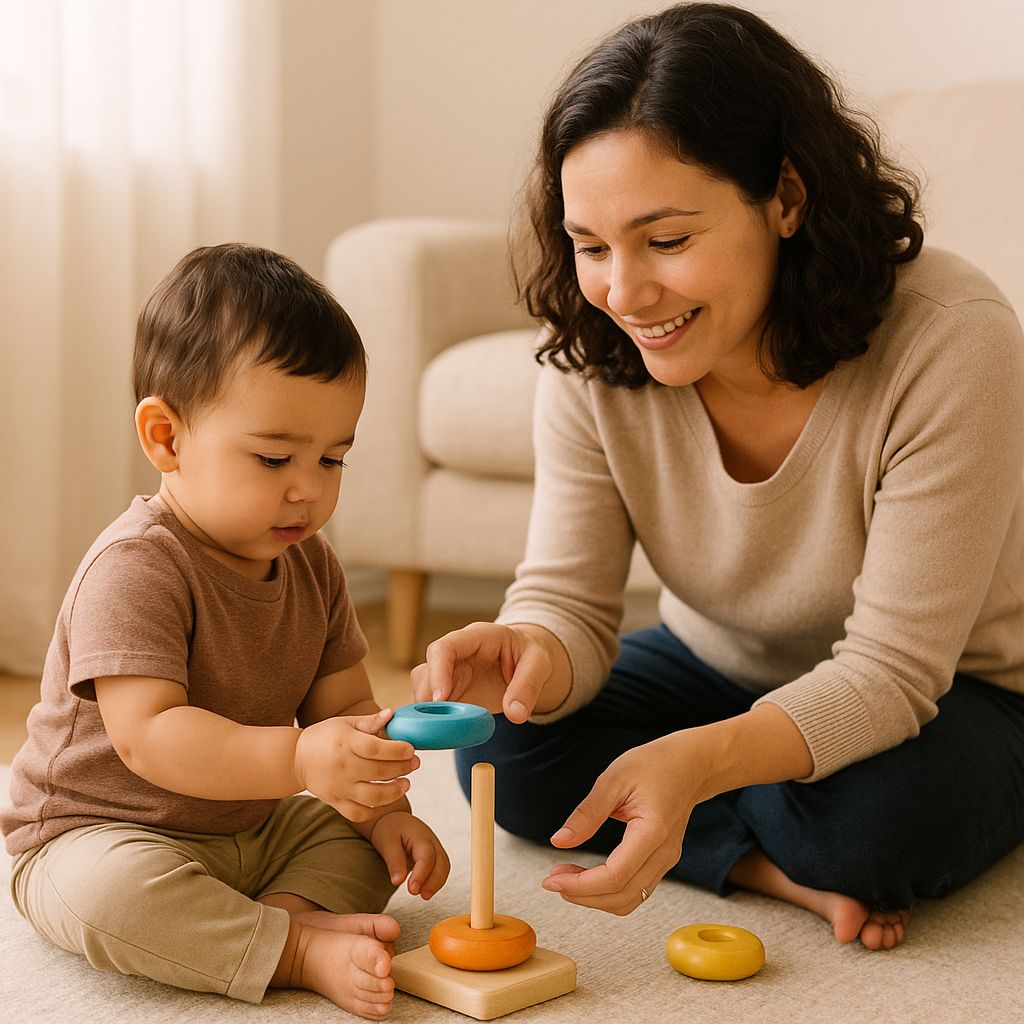
- Toddlers (1–3 years): Exploratory play, stacking, and basic pretend play support problem-solving and motor development. Parallel play (playing side by side) is common before true social play emerges.
- Preschoolers (3–5 years): Imaginative and cooperative play become dominant. Children start to play with shared goals and rules, which strengthens social-emotional and cognitive skills.
- Early School Age (5–8 years): More complex games, sports, and collaborative activities challenge children to think strategically, work as part of a team, and follow more sophisticated rules.
Parental Involvement: Facilitating Meaningful Play
Parents and caregivers are pivotal in shaping a child’s play experiences. Here’s how you can nurture healthy development through play:
1. Create a Safe and Stimulating Environment
Children thrive in environments where they feel secure and have access to diverse play materials. This doesn’t mean expensive toys; everyday household items can inspire creativity and exploration. Rotating toys and materials keeps play fresh and engaging.
2. Balance Structure and Freedom
Allow time for both structured activities (like family board games) and unstructured, child-led play. Observe your child’s interests and join in when invited—but avoid directing every moment.
3. Encourage Social Interaction
Arrange playdates, sibling activities, or family games to foster social skills. Model respectful communication and help children navigate conflicts if they arise.
4. Limit Screen Time
While some digital games can have educational value, they don’t replace the benefits of active, imaginative, and social play. The American Academy of Pediatrics recommends prioritizing hands-on, real-world play over screens, especially for young children.
5. Value Outdoor Play
Nature offers endless opportunities for exploration and movement. Outdoor play enhances physical health, creativity, and even attention spans. Make time for parks, nature walks, or simply playing in the backyard.
Play and Inclusive Development
Play is universal but not one-size-fits-all. Children with special needs or developmental delays benefit from adapted play experiences that foster inclusion. Simple modifications—like sensory-friendly toys, visual supports, or smaller group settings—ensure every child can participate meaningfully.
Common Myths About Play Debunked
- “Play is just for fun.” Fun is important, but play is also how children learn, process emotions, and develop essential skills.
- “Learning only happens during formal instruction.” Decades of research show that hands-on, playful learning is often more effective and memorable than passive instruction.
- “Screen time is the same as play.” Digital activities don’t offer the same developmental benefits as physical, social, and imaginative play.
Frequently Asked Questions
- Why is play important in early childhood development?
Play supports every aspect of a child’s growth—cognitive, social, emotional, and physical. It provides the foundation for lifelong learning and well-being. - What are the different types of play in early childhood?
Free play, structured play, imaginative play, physical play, and social play each offer unique developmental benefits. - How can parents encourage healthy play?
By providing safe, stimulating environments, offering diverse materials, engaging in play, and balancing structured and free activities. - How does play support social skills?
Play offers opportunities to practice communication, cooperation, and conflict resolution in a safe context. - Is screen time considered play?
While some apps and games can be educational, hands-on play offers more comprehensive benefits. Limit screen time to prioritize active and imaginative play.
Conclusion: Nurturing Growth Through Play
Play is not a luxury or a distraction from “real” learning—it is the foundation of development in early childhood. Through play, children acquire the skills and confidence that will serve them for life. By understanding the role of play and intentionally supporting it at home, parents and caregivers can give their children the very best start on their journey of growth, learning, and joy.
So, the next time you see your child lost in a world of building blocks, imaginary friends, or backyard adventures, celebrate their play. You’re witnessing the roots of lifelong success taking shape—one giggle at a time.