
How to Reduce Exposure to Illness at Home: Practical Tips for Families
Home is where our families gather, play, eat, and rest. It's also, unfortunately, a place where germs can easily spread—especially during cold and flu season, or when new viruses emerge. As parents, keeping our loved ones safe is a priority. While we can't eliminate every risk, we can take proactive steps to reduce exposure to illness at home. Here’s an expert-backed guide to creating a healthier, safer home environment for your family.
Why Home Hygiene Matters
Most illnesses, from common colds to stomach bugs, are transmitted through close contact, shared surfaces, and the air we breathe. Children, especially, are prone to touching everything and may not always remember hygiene routines. By making illness prevention a family affair, you empower everyone to contribute to a healthier living space.
1. Hand Hygiene: The First Line of Defense
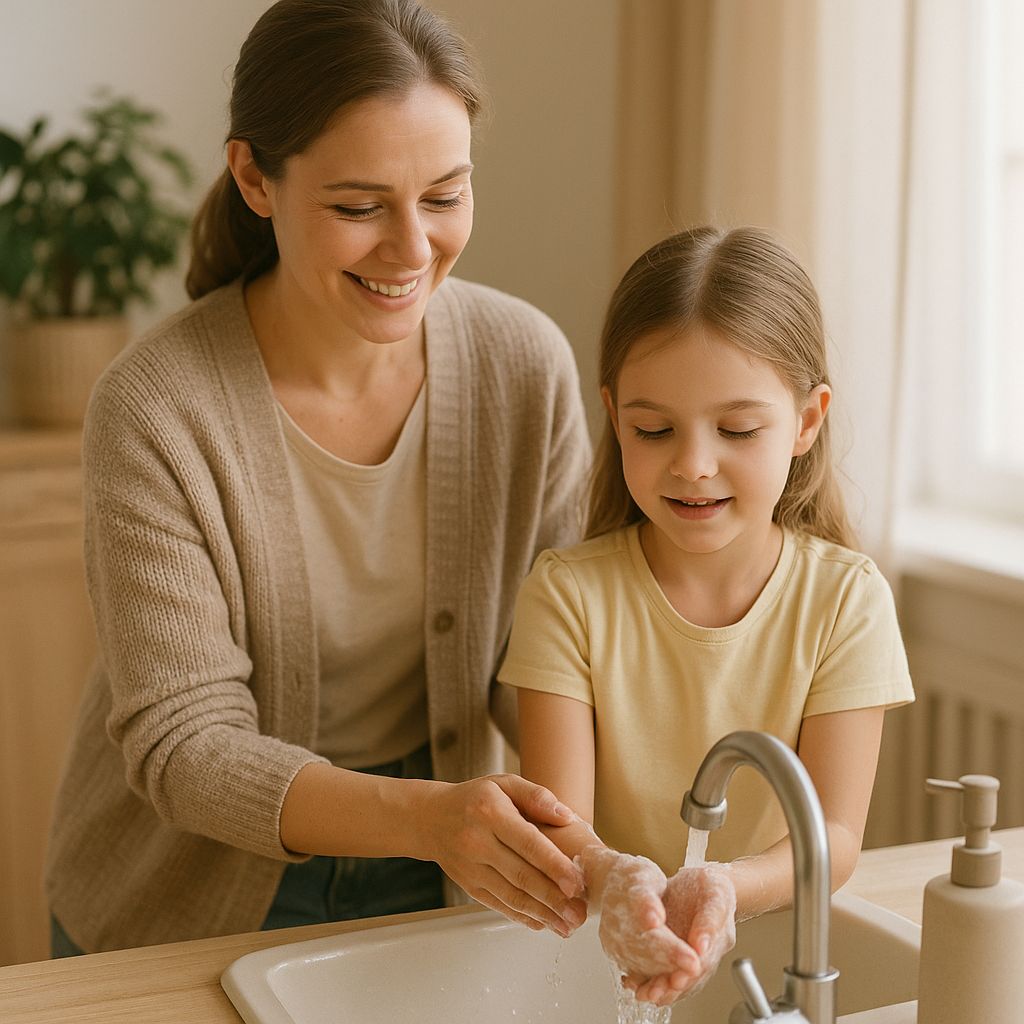
- Encourage frequent handwashing:
- Use soap and water for at least 20 seconds.
- Wash before eating, after using the bathroom, after playing outdoors, and after coughing or sneezing.
- Teach proper technique: Make handwashing fun with songs or visual timers.
- Provide hand sanitizer: Place alcohol-based hand sanitizers in convenient locations, but always supervise young children during use.
2. Cleaning and Disinfecting: Target High-Touch Surfaces
Germs linger on surfaces we touch frequently. Regular cleaning and disinfecting go a long way in reducing illness.
- Daily cleaning: Wipe down doorknobs, light switches, counter tops, remotes, and mobile devices with appropriate disinfectants.
- Weekly deep cleaning: Pay attention to less obvious spots like refrigerator handles, faucets, and toy bins.
- Safe products: Choose child-safe disinfectants and always store cleaning supplies out of reach.
3. Air Quality: Breathe Easy
Many illnesses are airborne. Improving indoor air quality can help minimize exposure.
- Ventilate: Open windows daily, weather permitting, to allow fresh air in.
- Use air purifiers: HEPA filters can capture airborne particles, including some germs, allergens, and pollutants.
- Control humidity: Keep humidity between 30–50% to discourage mold and bacteria growth.
4. Laundry and Fabric Care: Hidden Germs
Clothes, bedding, and stuffed animals can harbor germs, especially after illness.
- Wash regularly: Launder sheets, towels, and children’s clothing frequently in hot water.
- Sanitize toys: Machine-washable plush toys can be cleaned alongside bedding; wipe down hard toys.
- Separate laundry: If someone is ill, keep their laundry separate and wash promptly.
5. Nutrition and Immune Support
A strong immune system is your family’s best defense against illness.
- Balanced meals: Include fruits, vegetables, whole grains, and lean proteins.
- Hydration: Encourage water throughout the day.
- Supplements: Consult your pediatrician about Vitamin D or other supplements if needed.
6. Healthy Habits: Sleep, Exercise, and Stress Management
Sleep, physical activity, and stress reduction all support wellness.
- Sleep schedules: Maintain consistent bedtimes for children and adults.
- Active play: Encourage outdoor activities or indoor movement to boost circulation and energy.
- Mindfulness: Practice calm routines—reading, music, or gentle stretches—to lower stress, which can impact immunity.
7. Teaching Children: Making Hygiene Routine
Children learn best through repetition and positive reinforcement. Make hygiene part of your daily family rhythm.
- Visual cues: Place handwashing reminders near sinks.
- Practice together: Wash hands before meals as a group.
- Reward systems: Use sticker charts or praise for consistent hygiene.
8. Handling Illness: Isolation and Care
When someone in your household gets sick, quick action can prevent the spread.
- Isolate: Keep the sick individual in a separate room, if possible. Use dedicated towels and utensils.
- Increase cleaning: Disinfect bathroom and shared spaces more frequently.
- Monitor symptoms: Keep tabs on fevers or worsening signs, and consult your healthcare provider as needed.
9. Managing Visitors and Deliveries
Reduce risk by limiting unnecessary visitors during periods of illness or high community transmission.
- Set boundaries: Politely postpone playdates or gatherings if anyone is unwell.
- Safe deliveries: Wash hands after handling packages or groceries.
10. Creating a Healthy Home Environment
Beyond germs, a healthy home includes emotional and physical wellness.
- Declutter: Less clutter means fewer places for germs to hide and easier cleaning.
- Natural light: Sunlight can help kill some germs and boost mood.
- Comfort and safety: Ensure your home feels welcoming and secure, reducing stress and supporting overall health.
Common Questions About Illness Prevention at Home
- What are the most important hygiene habits to teach children?
- Handwashing with soap, covering coughs and sneezes, and avoiding touching their face are essential habits. Encouraging these routines helps children stay healthy and prevents the spread of germs.
- How often should I clean high-touch surfaces at home?
- Clean high-touch areas like doorknobs, light switches, and countertops daily, especially during cold and flu season or when someone at home is ill.
- Can air purifiers help reduce illness exposure?
- Yes, air purifiers with HEPA filters can reduce airborne particles, including some germs, helping to improve indoor air quality and lower the risk of respiratory illnesses.
- What should I do if someone in my family is sick?
- Isolate the sick individual as much as possible, encourage rest and hydration, and increase cleaning and hygiene efforts. Monitor symptoms and seek medical advice if needed.
Empowering Your Family for Wellness
Reducing exposure to illness at home doesn’t require perfection—it simply means making mindful choices every day. By weaving hygiene, nutrition, cleaning, and healthy habits into your family’s routine, you lay the foundation for a resilient, thriving household.
Remember, children learn from your example. When you prioritize wellness, you instill life-long values that will serve them well beyond the walls of your home. Celebrate small wins, be patient as habits build, and reach out for support when needed.
Further Reading and Support
- Visit the CDC’s Handwashing Resource for printable guides and tips.
- Explore American Academy of Pediatrics for child-specific wellness advice.
- Check out more articles on Growing Giggles Health & Wellness.
Conclusion
Creating a healthy home environment is an ongoing journey. With practical steps and supportive routines, you can help your family flourish—even in challenging times. Stay connected, stay informed, and let your home be a haven of health, comfort, and giggles.