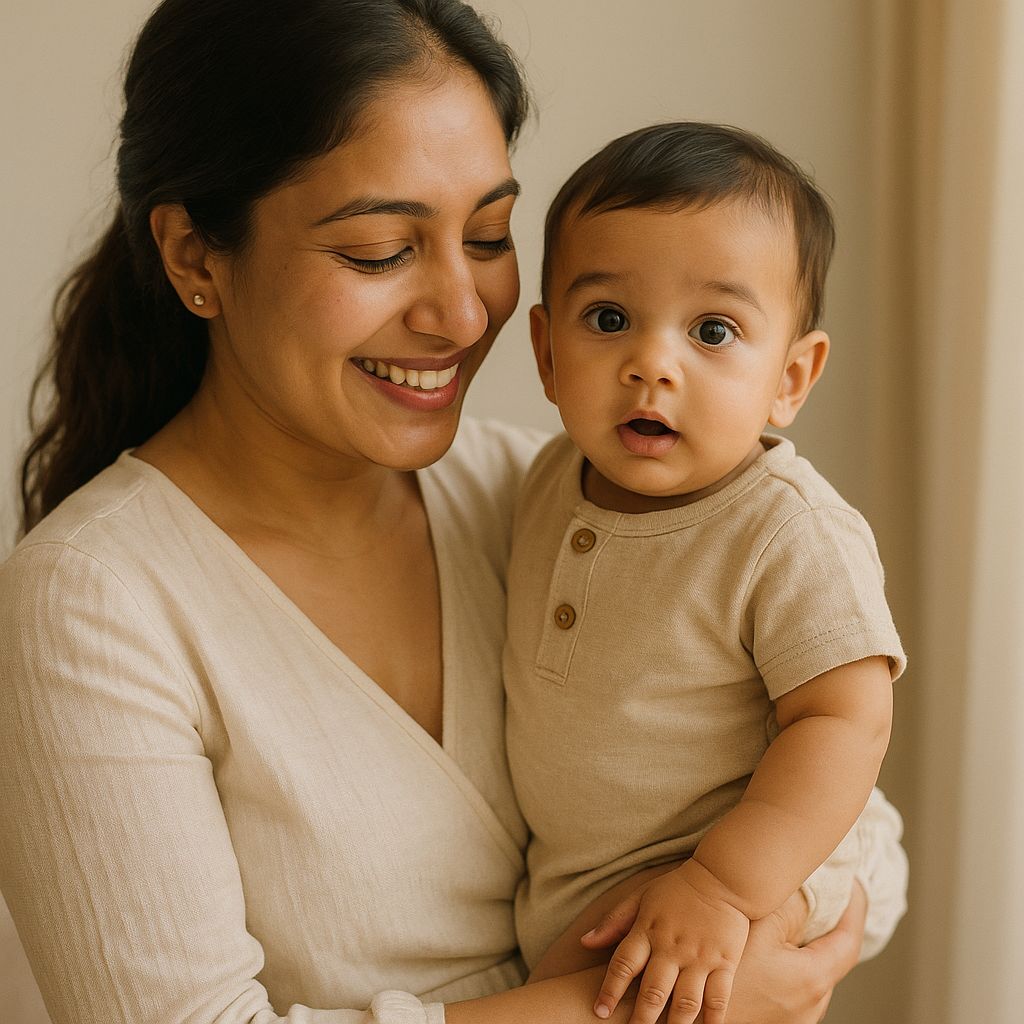
Quiet Play Activities for Babies: Nurturing Calm and Creativity
Parenting a baby often means navigating a world of joyful giggles, adorable coos — and sometimes, a lot of noise! But did you know that quiet play can be just as important as energetic activities? Whether you need a peaceful moment or want to foster calm, creative development, quiet play activities for babies are a wonderful addition to your daily routine.
Why Quiet Play Matters
Babies are constantly learning from their environment, and not every lesson needs to be loud or boisterous. Gentle, quiet play offers opportunities for your little one to:
- Develop focus and attention
- Regulate emotions and self-soothe
- Explore creativity and imagination
- Bond with caregivers in a calm setting
- Practice new skills at their own pace
Plus, quiet play is perfect for rainy days, wind-down routines, or just when you need a break from the bustle.
Setting Up for Quiet Play
Quiet play doesn’t need fancy toys or elaborate setups. Choose soft lighting, gentle music (if desired), and create a cozy, safe space for your baby. Most quiet activities use everyday items you already have at home.
Safety First!
Always supervise your baby during play, especially with small objects. Choose age-appropriate materials and check for choking hazards. Your baby’s safety and comfort come first!
Top Quiet Play Activities for Babies
1. Sensory Baskets
Fill a shallow basket or bin with soft, interesting objects. Think textured fabrics, a baby-safe mirror, silicone teething toys, or smooth wooden rings. Let your baby explore, touch, and discover at their own pace. Swap items regularly to keep things fresh and engaging.
- Benefits: Stimulates tactile senses, encourages curiosity, and develops fine motor skills.
- Tip: Use large, safe items for younger babies. For older babies, try adding gentle scents (like a lavender sachet) for added sensory fun.
2. Soft Storytime
Reading to your baby isn’t just about words — it’s about connection. Choose simple board books or fabric books with bright, high-contrast pictures. Read slowly, use a gentle voice, and let your baby touch the pages. Even newborns enjoy listening to your voice and looking at pictures!
- Benefits: Boosts language development, visual focus, and emotional bonding.
- Tip: Use books with textures or crinkle sounds for a sensory twist.
3. Mirror Play
Babies love looking at faces! Prop a baby-safe mirror nearby and let your little one gaze at their reflection. Make gentle expressions, smile, or play peekaboo. This quiet activity is surprisingly engaging and helps babies learn about their own features.
- Benefits: Encourages visual tracking, self-awareness, and social development.
- Tip: Try placing the mirror under a play gym for tummy time.
4. Gentle Music and Movement
Soft lullabies or classical tunes can set a soothing mood. Hold your baby, sway gently, or let them lay on a soft mat while you play music. You can also offer soft rattles or musical toys for them to explore at their own pace.
- Benefits: Stimulates auditory senses, supports relaxation, and introduces rhythm.
- Tip: Use music as part of your nap or bedtime routine to signal calm time.
5. Finger Puppets and Soft Toys
Bring gentle stories to life with finger puppets or plush toys. Move them slowly, make soft sounds, and let your baby reach or touch. This quiet play sparks imagination and helps your baby connect emotionally.
- Benefits: Builds social and emotional skills, encourages imaginative play, and develops motor coordination.
- Tip: Create simple stories or songs around the puppets for added engagement.
6. Visual Stimulation Cards
High-contrast black-and-white cards are perfect for newborns and young babies. Lay them out within your baby’s view during tummy time or prop them up nearby. Watch as your baby tracks the shapes and patterns.
- Benefits: Supports visual development, focus, and curiosity.
- Tip: Rotate cards frequently and introduce new colors as your baby grows.
7. Texture Exploration
Let your baby feel a variety of safe textures: soft fleece, smooth silk, gentle rubber, or crinkly paper (supervised, of course!). Lay out a “texture mat” or let your baby touch fabrics during cuddle time.
- Benefits: Enhances sensory processing, encourages exploration, and supports tactile learning.
- Tip: Use textures as part of quiet storytime or music sessions for a multi-sensory experience.
8. Baby Yoga and Gentle Stretching
Baby yoga isn’t just adorable — it’s calming too! With your pediatrician’s approval, try gentle stretches or guided movements with your baby. Lay down together, gently move arms and legs, or just enjoy quiet cuddles.
- Benefits: Promotes relaxation, body awareness, and parent-child bonding.
- Tip: Pair yoga sessions with soft music or dim lighting for extra calm.
9. Soft Ball Roll
Use a plush or fabric ball and gently roll it back and forth with your baby. For younger babies, you can roll the ball near their feet or hands. Older babies may try to reach, grab, or push the ball themselves.
- Benefits: Develops motor skills, hand-eye coordination, and focus.
- Tip: Make up silly rhymes or songs as you roll the ball together.
10. Calm Water Play
For older babies, supervised water play can be peaceful and fascinating. Use a shallow bowl of warm water, offer soft washcloths or baby-safe floating toys, and let your baby splash and explore quietly.
- Benefits: Engages sensory exploration, supports motor development, and offers gentle relaxation.
- Tip: Always supervise closely and use only a small amount of water.
Adapting Activities to Your Baby’s Age
Babies grow quickly, and their interests evolve! Here’s how to tweak quiet play for different stages:
- Newborns (0-3 months): Focus on visual stimulation, gentle music, skin-to-skin cuddles, and soft storytime.
- Infants (4-7 months): Introduce texture baskets, mirror play, soft toys, and simple ball rolls.
- Older Babies (8-12 months): Try more active quiet play like water play, baby yoga, and interactive books.
Always follow your baby’s cues. If they seem tired, overstimulated, or uninterested, switch activities or give them a break.
Incorporating Quiet Play Into Your Routine
- After feeding: Gentle play can help your baby digest and relax.
- Before naps: Quiet activities prepare your baby for sleep.
- Rainy days: Indoor calm play keeps your baby entertained and soothed.
- Family time: Include siblings or caregivers in storytime or soft play for bonding.
Keep a “quiet play basket” handy with favorite books, soft toys, and sensory items, so you’re always ready for a peaceful moment.
Expert Tips for Peaceful Play
- Follow your baby’s mood and energy levels.
- Use soft voices and gentle touches during quiet play.
- Rotate activities to keep play interesting and fresh.
- Involve all senses, but keep stimulation gentle and low-key.
- Enjoy the slow pace — these calm moments are perfect for bonding!
Quiet Play: More Than Just Calm
Quiet play isn’t just about relaxation — it’s about nurturing creativity, focus, and healthy development. These gentle activities help your baby process their world, build confidence, and connect with you in meaningful ways. So next time you need a peaceful pause, try one of these quiet play ideas and soak in the calm, giggles, and growth!
Frequently Asked Questions
- Why are quiet play activities important for babies?
- Quiet play helps babies develop focus, emotional regulation, and creative thinking. It also provides calm moments amidst busy routines, supporting healthy development and bonding.
- How can I tell if my baby enjoys a quiet activity?
- Look for signs like relaxed body language, gentle smiles, and engagement (such as reaching, watching, or babbling). Babies may also show enjoyment by returning to the activity or expressing calmness.
- What are some safe quiet play activities for newborns?
- Newborns benefit from soft music, gentle storytime, visual stimulation with high-contrast objects, and skin-to-skin cuddling. Always supervise and use age-appropriate materials.
- Can quiet play activities help my baby sleep better?
- Yes! Calm, gentle play before naptime or bedtime can help your baby wind down, making it easier for them to transition to sleep.
- How do I incorporate quiet play into our daily routine?
- Set aside dedicated times for peaceful activities like after feeding, before naps, or during rainy days. Keep materials handy and follow your baby’s cues for readiness.
Conclusion
Quiet play activities for babies are a gift — to your child and to yourself. They nurture calm, creativity, and connection, all while supporting healthy growth and development. Try adding a few gentle moments to your daily rhythm and watch your baby thrive!