
Preventing Cold and Cough in Babies During Winter: Evidence-Based Strategies for Parents
The winter season brings unique challenges to infant health, with respiratory illnesses such as cold and cough being particularly prevalent among babies. According to the American Academy of Pediatrics (AAP), infants are more vulnerable to infections during winter due to their developing immune systems and increased indoor congregation, which facilitates virus transmission. This article explores clinical, research-backed strategies for preventing cold and cough in babies during winter, empowering parents with actionable and safe guidance.
Understanding Why Babies Are Susceptible During Winter
Babies, especially those under 12 months, have immature immune systems and narrower airways, making them more prone to respiratory viruses. Winter's cold, dry air can dry out nasal passages, reducing their natural defense against viral particles. Moreover, indoor heating lowers humidity, further facilitating virus survival and transmission. Studies show that exposure to crowded indoor environments and secondhand smoke significantly increases risk.1
Common Viruses Causing Cold and Cough in Babies
- Rhinovirus: The most common cause of the common cold.
- Respiratory syncytial virus (RSV): Can cause severe lower respiratory tract infections in infants.
- Influenza virus: Causes seasonal flu, with potential complications in young infants.
- Parainfluenza and Adenoviruses: Less common but can affect infants.
Clinical Signs of Cold and Cough in Babies
Recognizing symptoms early is crucial for prompt care:
- Runny or stuffy nose
- Cough
- Sneezing
- Mild fever
- Difficulty feeding
- Irritability or poor sleep
Seek pediatric care if your baby has trouble breathing, high fever, poor feeding, or persistent symptoms beyond 7 days.
Evidence-Based Strategies to Prevent Cold and Cough in Babies
1. Hand Hygiene: The First Line of Defense
Handwashing is a proven method to reduce the spread of viruses. A CDC report highlights that hand hygiene can reduce respiratory illness by 16-21%. All caregivers and visitors should wash hands with soap and water for at least 20 seconds before touching the baby, after coughing/sneezing, or after coming home from outside.
2. Limiting Exposure to Sick Contacts
Babies should be kept away from individuals showing signs of illness. Limit unnecessary outings and avoid crowded places during peak cold and flu season. Encourage sick family members to wear masks and maintain distance from the infant.
3. Vaccination and Immunoprophylaxis
- Annual influenza vaccination is recommended for all household contacts and caregivers of infants older than 6 months.
- For infants at high risk (e.g., premature babies), consult your pediatrician about RSV prophylaxis (palivizumab).
- Ensure the baby is up-to-date on routine immunizations as per national guidelines.
4. Supporting Baby’s Immunity Through Nutrition
- Exclusive breastfeeding for the first 6 months provides essential antibodies and immune factors.
- If breastfeeding is not possible, use formula fortified with essential nutrients (as advised by a pediatrician).
- For older infants, introduce a balanced diet with fruits, vegetables, and iron-rich foods as per developmental readiness.
5. Maintaining Optimal Indoor Air Quality
During winter, indoor air can be dry and contain pollutants. To reduce risks:
- Use a cool-mist humidifier to maintain indoor humidity between 40-60%. Clean the device regularly to prevent mold and bacteria.
- Avoid smoke exposure (tobacco, incense, wood-burning stoves), which increases respiratory infection risk by up to 60% in infants.2
- Ventilate rooms daily, weather permitting, to reduce indoor virus concentration.
6. Appropriate Clothing and Temperature Regulation
Dress your baby in layers to keep them warm but not overheated. Over-bundling can lead to overheating, increasing SIDS risk. The room temperature should be comfortable for a lightly clothed adult (typically 20-22°C/68-72°F).
7. Safe Cleaning and Disinfection Practices
Regularly clean commonly touched surfaces, toys, and pacifiers with soap and water or child-safe disinfectants. This practice further reduces fomite transmission of viruses.
8. Nasal Hygiene and Hydration
To help keep nasal passages clear and support hydration:
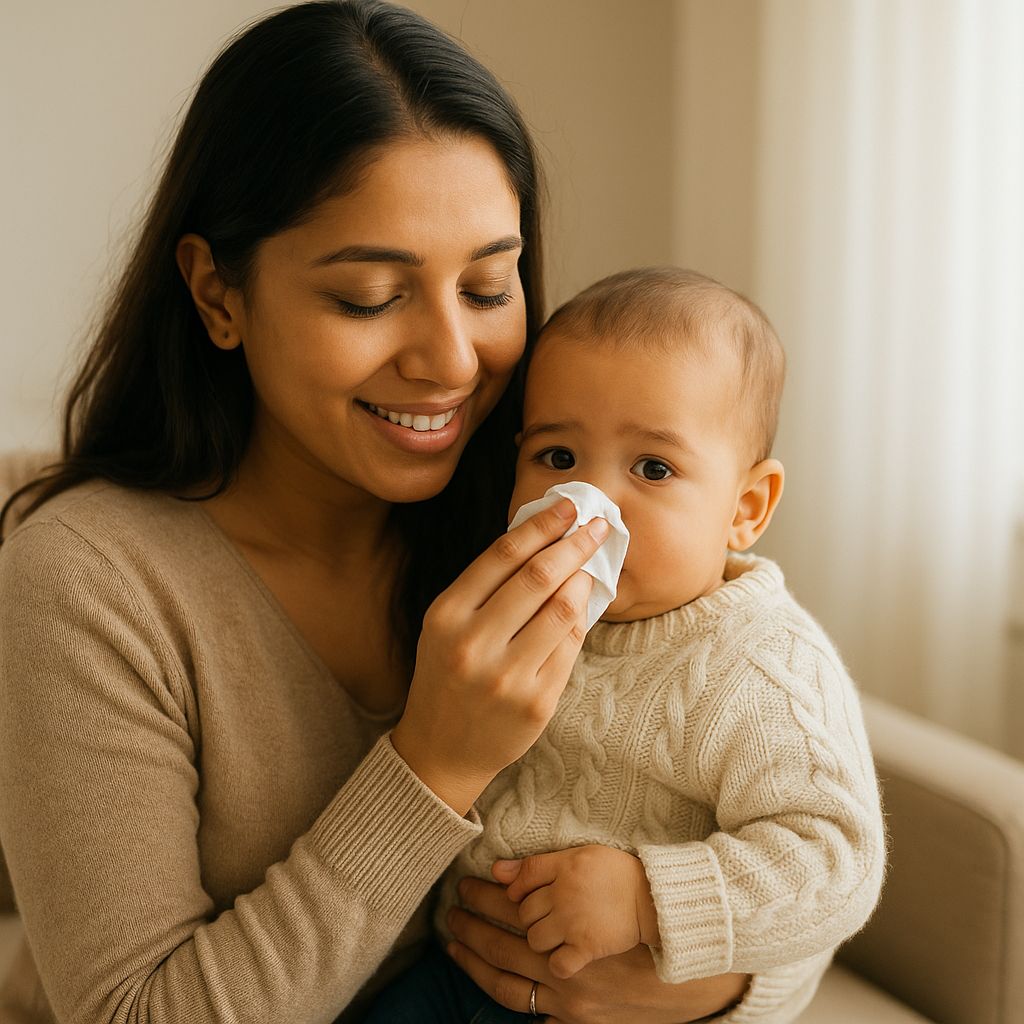
- Use saline nasal drops and gentle suctioning (with a bulb syringe or nasal aspirator) to relieve congestion.
- Encourage frequent, small feeds to prevent dehydration, especially if the baby is unwell.
Myths and Misconceptions: What Does Not Prevent Colds
- Antibiotics: Colds are caused by viruses; antibiotics have no preventive effect.
- Vitamin supplements: Excessive supplementation is not shown to prevent colds in healthy, well-nourished infants.
- Over-the-counter cold medicines: Not recommended for babies under 6 years due to potential side effects and lack of efficacy.
When to Seek Medical Advice
Contact your pediatrician if your baby exhibits:
- Difficulty breathing (rapid breathing, grunting, chest indrawing)
- High fever (over 38°C/100.4°F in infants under 3 months)
- Poor feeding or dehydration (fewer wet diapers, sunken fontanelle)
- Lethargy or excessive irritability
- Symptoms persisting beyond 7-10 days
Practical Winter Baby Care Tips
- Have a designated "baby zone" at home, with clean hands policy for all who enter.
- Keep a hand sanitizer (at least 60% alcohol) at entry points for visitors.
- Wash baby’s bedding and clothes regularly in hot water.
- Screen all caregivers and visitors for illness before contact.
- Stay updated with local health advisories during flu or RSV outbreaks.
Conclusion
Preventing cold and cough in babies during winter is possible with a strategic, evidence-based approach. Hand hygiene, proper nutrition, indoor air management, and vaccination form the cornerstone of prevention. Parents and caregivers should be vigilant, but not overly anxious—mild colds are common and typically self-limited. However, recognizing warning signs and seeking timely medical care ensures your baby stays safe and healthy throughout the winter months.
References:
1. Centers for Disease Control and Prevention. Handwashing: Clean Hands Save Lives.
2. American Academy of Pediatrics. Reducing Exposure to Smoke and Pollutants.
Frequently Asked Questions
- Why are babies more prone to colds and coughs during winter?
- Babies' immune systems are still developing, making them more vulnerable to respiratory viruses that circulate more in cold, dry conditions typical of winter.
- Can breastfeeding help prevent colds in babies?
- Yes. Breast milk contains antibodies and immune-boosting factors that protect infants from many infections, including those causing colds and coughs.
- Should I use a humidifier in my baby's room during winter?
- A cool-mist humidifier can help maintain optimal humidity (40-60%) and ease respiratory symptoms, but it must be cleaned regularly to prevent mold and bacteria.
- When should I contact a doctor if my baby has a cold?
- Seek medical attention if your baby has difficulty breathing, a high fever, poor feeding, lethargy, or symptoms lasting more than a week.
- Are there any safe home remedies for cold and cough in babies?
- For infants under 6 months, avoid honey and over-the-counter medications. Saline nose drops, gentle suctioning, and ensuring adequate hydration are safe supportive measures.