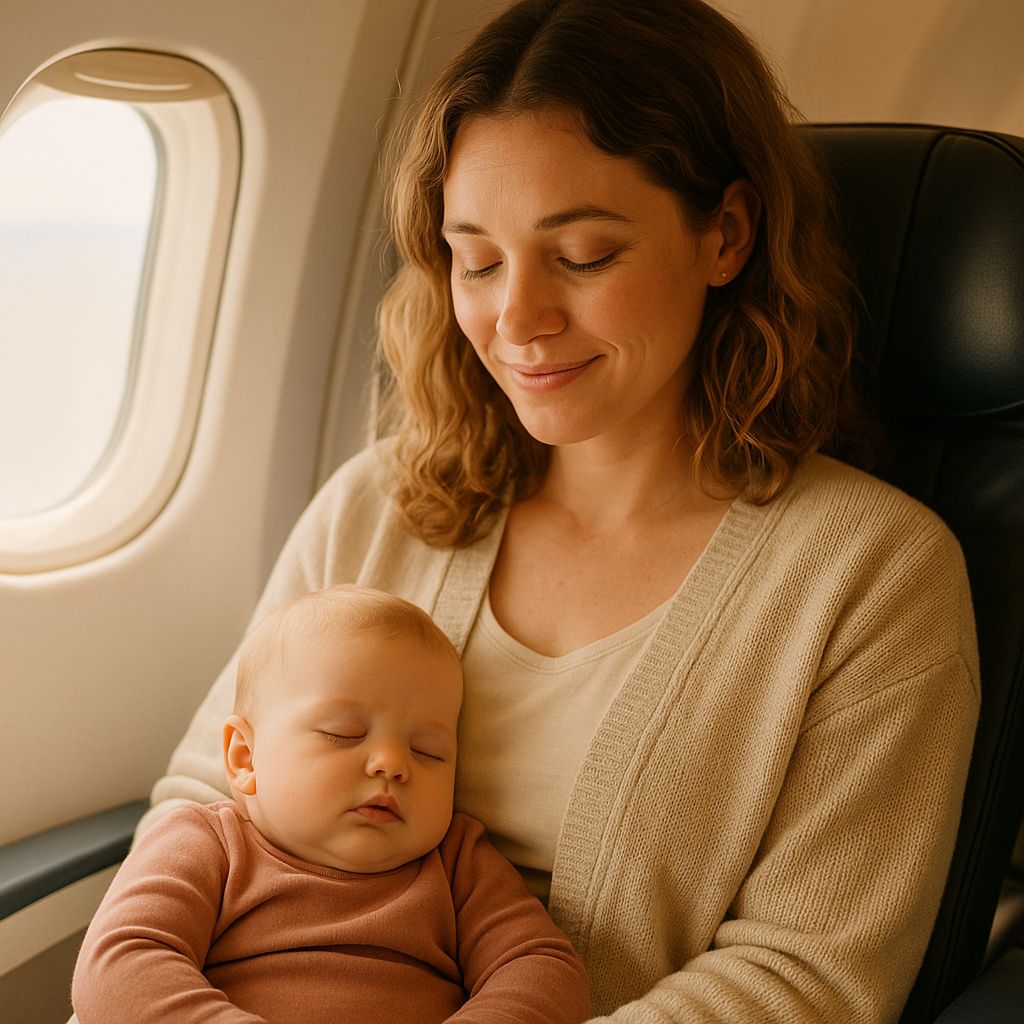

How to Prevent Sleep Regression After Travel: Expert Strategies for Parents
Traveling with children is a rewarding experience, but it can introduce a variety of challenges—one of the most common being sleep regression. After a trip, many parents notice their child’s once predictable bedtime routine has dissolved, resulting in frequent night wakings, trouble falling asleep, or early morning risings. Sleep regression after travel is not only frustrating for parents but can also impact a child’s mood, development, and overall well-being.
Whether you’re returning from a weekend getaway or an overseas adventure, understanding how to prevent sleep regression after travel is essential for restoring family harmony and ensuring your child gets the rest they need. This comprehensive guide shares authoritative strategies, expert insights, and practical tips to help your child maintain healthy sleep habits through travel disruptions.
Why Does Travel Cause Sleep Regression?
Children thrive on consistency and routine. Travel, by nature, disrupts both. Changes in time zones, unfamiliar environments, altered bedtimes, and irregular nap schedules all contribute to sleep regression. Additionally, stimulating activities, excitement, and anxiety can make winding down difficult for kids.
Major factors causing sleep regression after travel include:
- Time zone changes: Jet lag can upset your child’s internal clock (circadian rhythm).
- Unfamiliar sleeping arrangements: New places may feel unsettling, affecting sleep quality.
- Altered routines: Late nights, skipped naps, or inconsistent bedtime rituals are common when traveling.
- Overstimulation: New sights, sounds, and experiences can make it harder for children to settle.
Expert Strategies to Prevent Sleep Regression After Travel
1. Prepare Before You Travel
Preparation is the first step in preventing post-travel sleep regression. Anticipate disruptions and create a plan to minimize their impact:
- Gradually adjust sleep schedules: If traveling across time zones, slowly shift your child’s bedtime and wake time by 15-30 minutes each day leading up to your trip.
- Communicate changes: Let older children know what to expect. Discuss routines and reassure them that bedtime rituals will continue.
- Pack sleep essentials: Bring items from home, such as a favorite blanket, stuffed animal, pajamas, or a white noise machine, to recreate a familiar sleep environment.
2. Maintain Consistent Routines During Travel
Consistency is key—even when you’re away from home. Try to keep your child’s sleep routine as close to normal as possible:
- Stick to bedtime rituals: Read the same story, sing familiar songs, or use the same nightlight as you would at home.
- Honor nap times: If your child naps, prioritize naps—even if they’re shorter or take place in a stroller or car seat.
- Limit late nights: Balance travel excitement with the need for rest. Avoid too many late evenings or skipped naps.
- Use comfort objects: Familiar items help signal to your child that it’s time for sleep, providing security.
3. Address Jet Lag and Time Zone Changes
Jet lag is a common culprit for sleep regression, especially after international travel. Here’s how to ease the transition:
- Expose your child to natural light: Sunlight helps reset the body’s internal clock. Spend time outdoors during daylight hours at your destination.
- Adjust meal times: Eating at local times helps anchor your child’s schedule.
- Gradually shift bedtime: Move bedtime earlier or later by 15-30 minutes each night until it aligns with the new time zone.
- Stay hydrated: Dehydration can worsen jet lag. Offer plenty of water and nutritious snacks.
4. Create a Familiar Sleep Environment
Children sleep best in environments that feel safe and familiar. Even when you’re in a hotel or relative’s house, try to replicate the elements of your child’s usual sleep space:
- Set up the room: Arrange the bed with your child’s pillow, blanket, and stuffed animal.
- Control lighting: Use blackout curtains or portable shades to block out unfamiliar light.
- White noise: A portable white noise machine or app can drown out unfamiliar sounds.
- Temperature: Keep the room at a comfortable temperature, similar to home.
5. Be Patient and Flexible
Even with careful planning, some disruptions are inevitable. Patience and flexibility are essential in helping your child adjust:
- Offer comfort: If your child wakes during the night or struggles to fall asleep, provide extra reassurance.
- Don’t rush: It may take a few days for your child to return to their normal routine. Avoid pressuring them.
- Gradual transitions: If you need to shift bedtime or nap times, do so slowly rather than abruptly.
Restoring Sleep After Travel: Step-by-Step Guide
Once you’re home, use the following steps to help your child recover from sleep regression:
- Re-establish routines: Return to your usual bedtime rituals and nap schedule as soon as possible.
- Set consistent bedtimes: Aim for the same bedtime and wake time each day.
- Limit screen time: Avoid screen exposure in the hour before bed, as it can interfere with melatonin production.
- Encourage relaxation: Use calming activities like reading, gentle music, or a warm bath before bed.
- Monitor daytime sleep: Too much or too little daytime sleep can affect nighttime rest. Adjust naps as needed.
- Be responsive: If your child struggles, comfort them without forming new sleep associations you’ll need to break later (e.g., avoid letting them fall asleep in your arms if you expect them to sleep independently).
Managing Sleep Regression for Different Age Groups
Sleep regression can affect children of all ages, but strategies may differ based on developmental stage:
- Infants (0-12 months): Maintain a consistent nap and bedtime schedule. Use gentle sleep cues and avoid overstimulation before bed.
- Toddlers (1-3 years): Stick to routines and comfort objects. Be mindful of nap transitions and separation anxiety.
- Preschoolers (3-5 years): Involve your child in packing sleep items and discuss the importance of rest. Use rewards for staying in bed.
- School-age children: Encourage independence while maintaining routines. Discuss travel-related sleep challenges and brainstorm solutions together.
Expert Tips for Parents: Additional Considerations
- Travel days: On travel days, prioritize sleep and avoid overscheduling. Keep meals and naps as consistent as possible.
- Monitor behavior: Sleep regression can cause irritability, tantrums, or difficulty concentrating. Adjust expectations and offer extra support.
- Self-care: Parents need rest too! Take turns managing bedtime or naps, and practice self-compassion during transitions.
When to Seek Professional Help
If your child’s sleep regression persists for more than two weeks or is accompanied by significant behavioral changes, consult your pediatrician or a sleep specialist. Chronic sleep issues may require expert intervention.
Frequently Asked Questions
- What is sleep regression after travel?
Sleep regression after travel refers to disruptions in a child’s previously established sleep patterns, often caused by changes in environment, routine, or time zone. Children may have trouble falling asleep, frequent night wakings, or early morning awakenings. - How long does sleep regression after travel typically last?
Most children adjust back to their normal sleep routine within a few days to a week, depending on the extent of the disruption and their age. Consistency and patience are key to restoring healthy sleep. - Can I prevent sleep regression entirely when traveling?
While it’s difficult to guarantee no sleep disruptions, parents can dramatically reduce the risk by maintaining routines, preparing for time zone changes, and creating a familiar sleep environment. - What should I pack to help my child sleep while traveling?
Bring familiar items such as a favorite blanket, stuffed animal, white noise machine, and bedtime books. These comfort objects help recreate your child’s home sleep environment. - How do I handle jet lag in children?
Gradually adjust your child’s sleep schedule prior to travel, expose them to natural light at your destination, and maintain consistent nap and bedtime routines. Hydration and healthy meals also help.
Conclusion
Preventing sleep regression after travel requires foresight, consistency, and flexibility. By preparing before your trip, maintaining routines during travel, and re-establishing healthy sleep habits once you return, you can minimize disruptions and help your child sleep soundly. Remember, patience is key—most children bounce back quickly with loving support and clear boundaries. With these expert strategies, your family can enjoy the adventure of travel while ensuring restful nights for everyone.