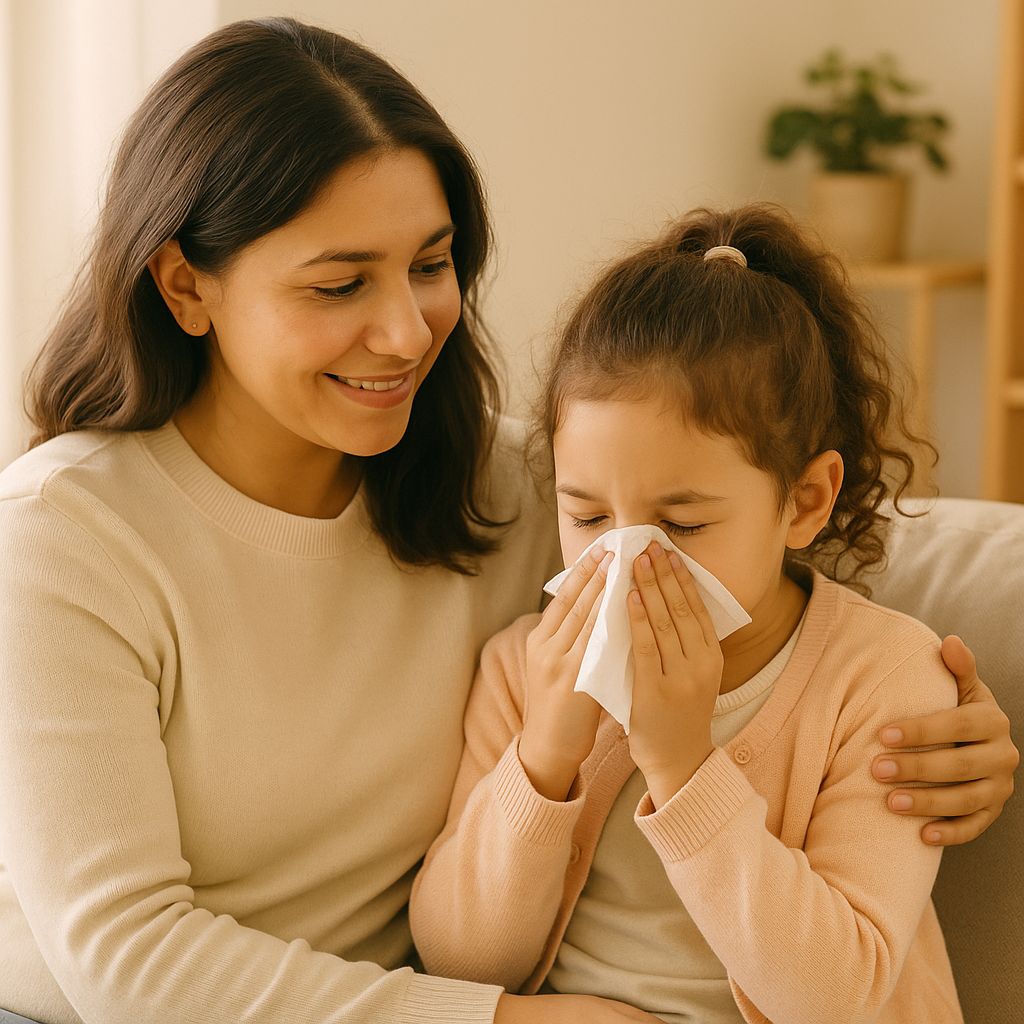

How to Prevent Allergies During Season Changes: A Parent's Guide
For many families, the arrival of a new season signals fun outdoor activities, fresh air, and a change in daily routines. But for parents of children prone to allergies, seasonal changes can also bring sneezing, sniffles, and discomfort. If your family struggles with allergy symptoms as the weather shifts, this comprehensive guide from Growing Giggles will empower you with expert tips, practical strategies, and friendly advice to help your kids stay healthy and happy all year round.
Understanding Seasonal Allergies in Children
Seasonal allergies, also known as hay fever or allergic rhinitis, occur when your child's immune system reacts to environmental triggers such as pollen, mold, or dust. These allergens become more prevalent as temperatures change, plants bloom or shed, and humidity fluctuates. Recognizing the signs early and taking preventive steps can make a world of difference.
Common Allergy Triggers During Season Changes
- Pollen: Trees, grasses, and weeds release pollen into the air during spring, summer, and fall. This microscopic powder can cause sneezing, itchy eyes, and congestion.
- Mold: Damp conditions during rainy seasons promote mold growth indoors and outdoors, leading to respiratory symptoms.
- Dust mites: These tiny creatures thrive in homes, especially as windows stay closed or humidity increases.
- Pet dander: Shedding increases with weather changes, affecting sensitive children.
Signs Your Child May Be Experiencing Seasonal Allergies
- Frequent sneezing or runny nose
- Itchy or watery eyes
- Scratchy throat or coughing
- Fatigue or irritability
- Skin rashes or eczema flare-ups
If you notice these symptoms, it's time to take action to minimize exposure and help your child manage their allergies.
Practical Strategies to Prevent Allergies During Season Changes
1. Keep Indoor Air Clean
- Invest in a high-quality HEPA air purifier for your child's bedroom and living areas.
- Regularly clean and vacuum carpets to remove dust and pollen.
- Change air filters in your HVAC system every 1-2 months, especially during peak allergy seasons.
- Keep windows closed on high pollen days and use air conditioning instead.
2. Monitor Outdoor Activities
- Check daily pollen counts using weather apps or websites.
- Plan outdoor playtimes for late afternoon or after rain, when pollen levels are lower.
- Have your child wear sunglasses and a hat to protect their eyes and hair from pollen.
3. Allergy-Proof Your Home
- Wash bedding and stuffed animals weekly in hot water to kill dust mites.
- Use dust-mite-proof covers on pillows and mattresses.
- Declutter bedrooms to minimize dust accumulation.
- Remove or reduce carpeting where possible; opt for easy-to-clean flooring.
- Keep pets out of bedrooms and bathe them regularly.
4. Personal Hygiene Habits
- Encourage your child to wash their hands and face after coming indoors.
- Change clothes after outdoor play to reduce allergen exposure.
- Shower before bed to remove pollen and dust from skin and hair.
5. Manage Mold Growth
- Fix leaks and reduce dampness in bathrooms, kitchens, and basements.
- Use a dehumidifier to keep humidity below 50%.
- Clean visible mold promptly with child-safe products.
Home Remedies and Preventive Measures
While medical treatments are sometimes necessary, simple home remedies can significantly reduce allergy discomfort.
- Saline nasal rinses: Help flush out allergens and soothe irritated nasal passages.
- Cool compresses: Relieve itchy eyes and swelling.
- Herbal teas: Chamomile or ginger tea can ease throat irritation.
- Humidifiers: Maintain optimal moisture levels in the air, but clean them regularly to prevent mold.
Allergy Medications for Children
Over-the-counter antihistamines, nasal sprays, and eyedrops can be effective, but consult your pediatrician before introducing any new medication. Doctors may recommend:
- Non-drowsy antihistamines for daytime use
- Nasal corticosteroids for persistent symptoms
- Prescription treatments for severe allergies
Always follow dosage instructions and monitor your child's response.
When to Seek Professional Help
If your child experiences severe symptoms such as difficulty breathing, persistent coughing, or hives, seek medical attention promptly. Allergy testing can help identify specific triggers and guide treatment. For chronic or complex cases, a pediatric allergist can provide specialized care.
Empowering Your Kids: Allergy Awareness & Self-Care
Teaching your child about allergies encourages self-care and confidence. Explain what allergies are, how to recognize symptoms, and why it’s important to practice healthy habits. Role-play scenarios, such as what to do if they feel itchy or sneezy at school, and encourage open communication.
- Make a fun allergy checklist for your child to follow daily.
- Pack tissues, hand sanitizer, and allergy medications in their backpack.
- Communicate with teachers about your child's allergy needs.
Building an Allergy-Friendly Routine
Consistency is key! Create routines that support allergy prevention:
- Regularly clean your home and personal items.
- Schedule check-ups with your pediatrician as seasons change.
- Adjust routines based on pollen forecasts and weather conditions.
Myth-Busting: Common Misconceptions About Allergies
Let’s clear up some confusion:
- Myth: Allergies only happen in spring.
Fact: Allergies can occur in any season as different plants release pollen and indoor allergens fluctuate. - Myth: Kids will "grow out" of allergies.
Fact: Some children do, but many need ongoing management. - Myth: All allergy medications are the same.
Fact: Medications vary; consult your pediatrician for the best option.
Adapting Allergy Prevention for Every Age
Whether you have toddlers, school-aged kids, or teens, personalize your approach:
- Toddlers: Focus on keeping their environment clean and limiting outdoor exposure during high pollen times.
- School-aged kids: Encourage self-care habits and involve them in allergy-proofing their spaces.
- Teens: Empower them with knowledge about medication management and recognizing symptoms.
Family Activities for Allergy-Friendly Fun
Don’t let allergies stop your family from enjoying the seasons! Try these activities:
- Indoor crafts and games on high pollen days
- Nature walks after rain, when pollen is washed away
- Cooking new allergy-friendly recipes together
- Visiting museums or indoor play centers
Conclusion: Staying Ahead of Allergies as the Seasons Change
Preventing allergies during season changes isn’t just about reacting to symptoms—it’s about proactive care, healthy routines, and empowering your family with knowledge. With the expert tips in this guide, you can help your kids enjoy every season with fewer sniffles and more smiles. Remember, consult your pediatrician for personalized advice, and celebrate your allergy-free moments together!
Quick Checklist: Allergy Prevention During Season Changes
- Check pollen forecasts daily
- Clean home regularly and change air filters
- Wash hands, face, and clothes after being outdoors
- Use air purifiers and dehumidifiers
- Consult your pediatrician about medications
Seasonal allergies are manageable—let Growing Giggles guide your family to healthy, happy days, no matter the weather!