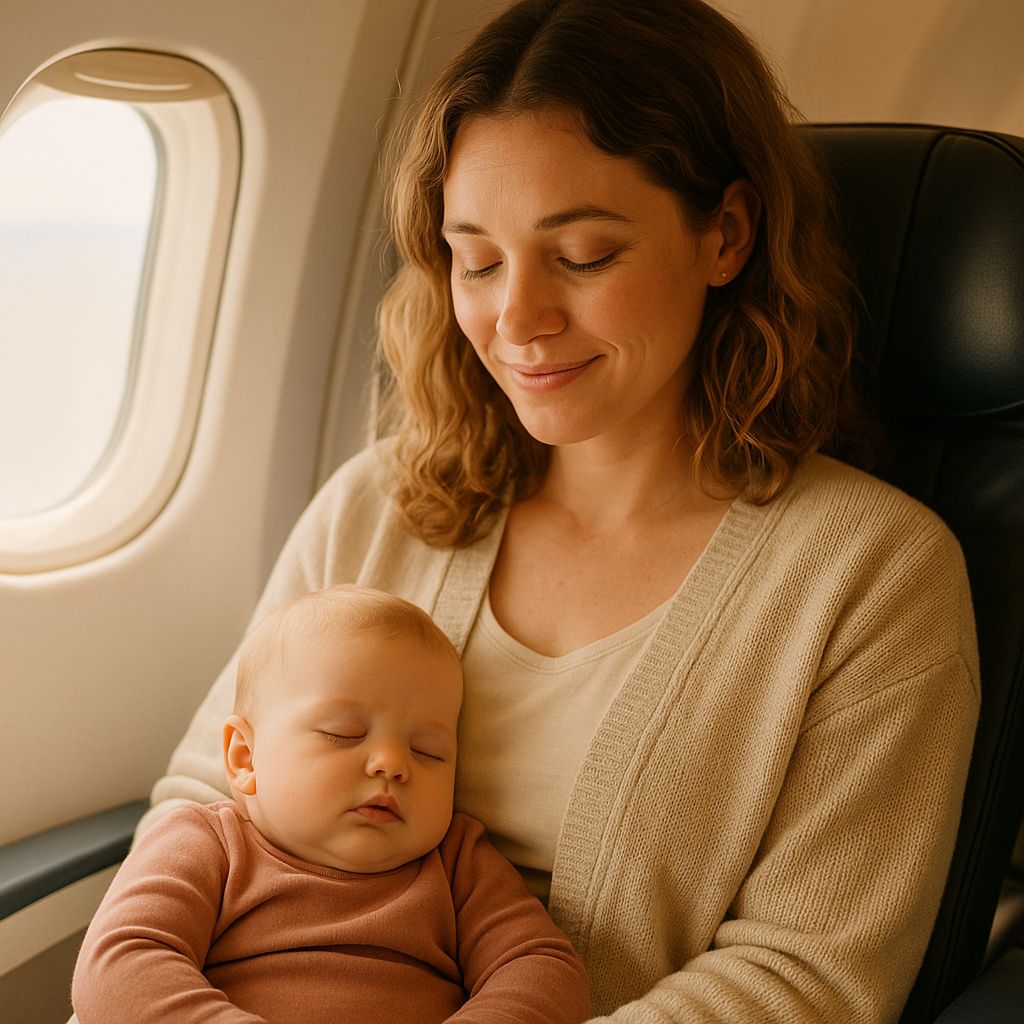
Preparing for Unexpected Situations During Travel: A Parent’s Guide
Traveling with children is a rewarding experience, offering families the chance to bond, learn, and explore new environments together. However, any seasoned parent knows that even the best-laid travel plans can be quickly derailed by unforeseen circumstances. From sudden illnesses and lost luggage to flight delays and accommodation hiccups, unexpected situations are an inherent part of travel. The key to a successful family trip isn’t the absence of challenges, but rather how well you prepare for and handle them. In this comprehensive guide, we provide expert tips on preparing for unexpected situations during travel, keeping your family safe, calm, and ready for anything.
Why Preparation Matters for Traveling Families
Children thrive on routine and predictability, making them especially vulnerable to the stresses of travel disruptions. As parents, our role is not only to keep them safe but also to model resilience and adaptability. Preparation is the cornerstone of successful family travel, reducing anxiety and mitigating risks when the unexpected occurs.
Common Unexpected Situations During Travel
- Flight delays or cancellations
- Lost or delayed luggage
- Minor injuries or sudden illness
- Lost passports or travel documents
- Weather disruptions
- Getting lost or separated
- Accommodation issues (e.g., overbooking)
- Transportation strikes or breakdowns
Building a Family Travel Emergency Kit
A well-stocked emergency kit can make all the difference when the unexpected strikes. Here’s what you should include:
- Basic First Aid Supplies: Band-aids, antiseptic wipes, gauze, medical tape, tweezers, and a digital thermometer.
- Prescription Medications: Bring enough for the duration of the trip plus extra, and carry them in original labeled containers.
- Copies of Important Documents: Passports, travel insurance, medical records, and emergency contacts (both digital and hard copies).
- Personal Hygiene Items: Hand sanitizer, tissues, wet wipes, and face masks.
- Snacks and Water: Non-perishable snacks and refillable water bottles to keep kids fed and hydrated during delays.
- Comfort Items: Small toys, favorite blankets, or stuffed animals to soothe and occupy children.
- Entertainment: Books, coloring supplies, and pre-downloaded digital games or shows.
- Portable Charger and Adapters: Ensure devices stay powered for navigation and communication.
Essential Travel Safety Protocols for Families
Before you depart, research the safety protocols and emergency services available at your destination. Here are some tips to keep in mind:
- Know Local Emergency Numbers: In many countries, 112 is a universal emergency number, but research the specific numbers for police, fire, and medical services at your destination.
- Identify the Nearest Hospital or Clinic: Know where to go in case of a medical emergency. Save addresses and phone numbers both digitally and on paper.
- Locate Your Embassy or Consulate: They can assist with lost documents, legal issues, or major emergencies.
- Teach Children What to Do if Separated: Agree on a meeting point and ensure older children know how to seek help from uniformed personnel or trusted adults.
- Use Identification: For younger children, consider wristbands or tags with your contact information.
Dealing with Health Emergencies Abroad
Health issues can arise at any time, especially when children are exposed to new environments and routines. Here’s how to prepare:
- Consult Your Pediatrician: Schedule a pre-travel checkup and discuss any destination-specific health risks.
- Pack Essential Medications: Include fever reducers, allergy medications, and oral rehydration solutions.
- Travel Insurance: Opt for comprehensive coverage that includes medical evacuation and care for children.
- Immunizations: Ensure your family is up to date on all routine and destination-specific vaccinations.
- Know Symptoms to Watch For: Learn signs of dehydration, food poisoning, and insect-borne illnesses relevant to your destination.
Navigating Transportation and Accommodation Issues
Travel disruptions like flight delays, cancellations, or hotel mix-ups can upend your itinerary. Here’s how to navigate them:
Flight Delays and Cancellations
- Monitor Flights: Use airline apps for real-time updates and rebooking options.
- Keep Essentials Handy: Always have a change of clothes, snacks, and entertainment in your carry-on.
- Know Your Rights: Familiarize yourself with airline compensation policies for delays or lost luggage.
Lost or Delayed Luggage
- Pack a complete change of clothes and basic toiletries for each family member in carry-ons.
- Label all luggage clearly and keep baggage claim tags safe.
- Report lost items immediately and keep receipts for essential replacements for insurance claims.
Accommodation Challenges
- Confirm reservations before departure and have written confirmation (printed and digital).
- Research alternative accommodation options nearby in case of overbooking or issues.
- Know your rights regarding refunds or alternative arrangements through booking platforms.
Keeping Kids Calm and Engaged During Delays
Unanticipated waits can be stressful for kids. To keep spirits high:
- Maintain a Routine: Try to stick to regular meal and sleep schedules as much as possible.
- Provide Reassurance: Stay calm, explain the situation in age-appropriate terms, and validate their feelings.
- Engage Their Minds: Play games, tell stories, or explore the airport/train station together.
- Offer Choices: Let them pick a snack or activity to help them feel in control.
Communication Strategies for Emergencies
Solid communication can make all the difference during unexpected events:
- Share Itinerary: Give a trusted friend or family member a copy of your travel plans and check in regularly.
- Stay Charged: Use portable battery packs to keep phones and devices powered.
- Translation Apps: Download offline language apps for destinations where you don’t speak the language.
- Emergency Contacts: Store important numbers in your phone and on paper.
Contingency Planning: What If…?
While you can’t predict every scenario, having a plan for common issues will help you respond quickly and effectively.
- Lost Child: Designate a meeting point at every location, teach kids to identify safe adults, and use ID wristbands.
- Sudden Illness: Know where the nearest medical facilities are, and carry a list of medications and allergies in the local language.
- Missed Connections: Have backup transport options and enough funds to cover unexpected overnight stays.
- Natural Disasters: Familiarize yourself with local protocols for earthquakes, storms, or floods.
Empowering Children for Unexpected Situations
Preparation isn’t just for parents; involve your children in the process to build their confidence and resilience.
- Practice what to do if separated through role-play.
- Teach them basic phrases in the local language (e.g., “I’m lost. Can you help me?”).
- Let them help pack their own bag with comfort items and simple essentials.
Final Thoughts
Traveling with kids will always include surprises, but with thoughtful preparation, you can turn unexpected situations into opportunities for growth and memorable stories. By anticipating challenges, equipping your family with the right tools, and fostering open communication, you’ll ensure that your adventures are as safe and enjoyable as possible. Remember, the goal isn’t to avoid all mishaps, but to navigate them with confidence and grace—showing your children that the journey is as important as the destination.
Key Takeaways
- Anticipate travel disruptions and prepare your family emergency kit.
- Know local safety protocols and emergency contacts.
- Involve children in contingency planning to empower them.
- Stay calm and keep kids engaged during unexpected events.
- Comprehensive planning ensures safer, happier family travel experiences.
Frequently Asked Questions
- What should I include in a family travel emergency kit?
- A family travel emergency kit should include basic first aid supplies, prescription medications, important documents, snacks, water, entertainment for kids, and emergency contact information. Tailor the kit to your family's unique needs.
- How can I keep my children calm during travel disruptions?
- Maintain a positive attitude, provide reassurance, and keep them engaged with games, books, or digital entertainment. Explain the situation in age-appropriate terms, and involve them in simple decisions to give them a sense of control.
- What are the most common unexpected situations families face when traveling?
- Common unexpected situations include flight delays or cancellations, lost luggage, minor injuries or illnesses, getting lost, and sudden changes in weather or accommodations.
- How do I find local emergency services when traveling abroad?
- Research emergency numbers for your destination before traveling. Save local embassy or consulate contacts, and use travel apps or hotel staff for assistance if needed.