
Physical Development Milestones for Preschoolers (3–5 Years): What to Expect & How to Support Growth
From wobbly first steps to confident leaps and twirls, preschoolers (ages 3–5) experience a whirlwind of physical growth and motor skill development. As a parent, witnessing these changes can be both exciting and sometimes a little nerve-wracking. Understanding the physical development milestones for this age group is key to supporting your child’s journey and knowing what to expect (and when to seek help).
Why Physical Development Matters in the Preschool Years
Physical development isn’t just about growing taller or stronger—it’s the foundation for healthy movement, coordination, and independence. During the preschool stage, children refine both gross motor skills (like running, jumping, and climbing) and fine motor skills (like drawing, cutting, and manipulating small objects). These abilities lay the groundwork for future learning, self-care, and play.
Overview: The Preschool Stage (3–5 Years)
Between ages 3 and 5, children undergo remarkable transformation. They become more agile, precise, and confident in their bodies. While all kids grow at their own pace, most follow a general pattern of milestones. Let’s break down what you can expect:
Gross Motor Milestones
- Age 3:
- Runs with improved coordination and fewer falls
- Jumps with both feet off the ground
- Climbs stairs, alternating feet with support
- Rides a tricycle (pedals and steers)
- Throws a ball overhand
- Age 4:
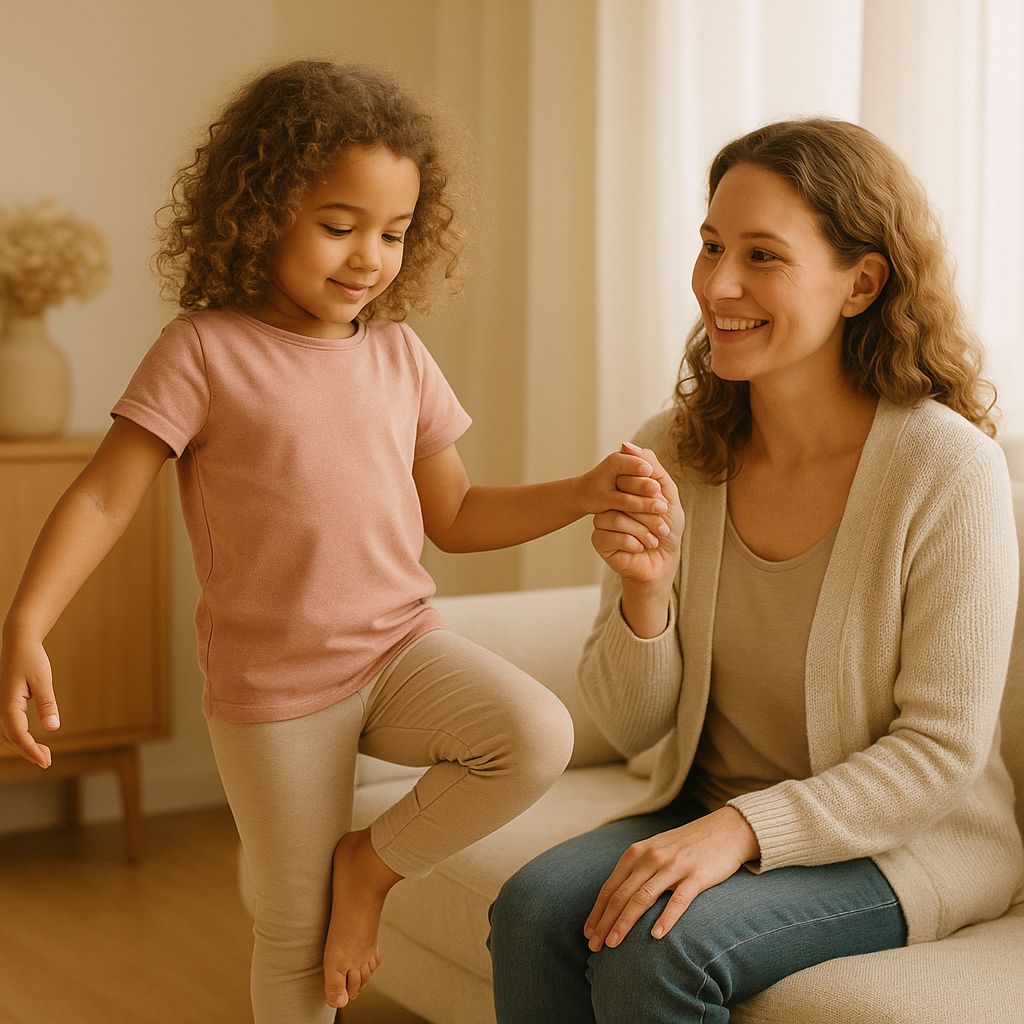
- Hops on one foot
- Catches a bounced ball
- Climbs jungle gyms and playground equipment with confidence
- Walks up and down stairs without help
- Improved balance and coordination
- Age 5:
- Skips, gallops, and jumps rope
- Balances on one foot for longer periods
- Rides a bicycle with training wheels
- Throws and catches a ball with more accuracy
- Shows more stamina during active play
Fine Motor Milestones
- Age 3:
- Draws simple shapes (circles, lines)
- Turns pages in a book one at a time
- Builds towers with blocks
- Uses utensils to feed themselves
- Manipulates small toys and puzzles
- Age 4:
- Draws crosses and squares
- Uses scissors to cut along lines
- Buttons clothing
- Copies simple letters
- Completes basic puzzles
- Age 5:
- Draws recognizable shapes and people
- Prints some letters and numbers
- Uses scissors with precision
- Ties shoelaces (toward age 6)
- Completes more complex puzzles and crafts
Physical Growth: What Else Changes?
- Rapid height and weight gain (though growth rates may vary)
- Body proportions shift—arms and legs lengthen, baby fat decreases
- Improved muscle tone and strength
- Increased stamina for longer play sessions
How to Support Your Preschooler’s Physical Development
Preschoolers thrive when they have opportunities to move, explore, and practice new skills. Here’s how you can nurture their growth:
1. Encourage Active Play
Outdoor play is a goldmine for physical development. Activities like running, jumping, climbing, and playing tag help children build strength and coordination. Try to offer at least 1–2 hours of active play daily.
2. Provide Age-Appropriate Toys & Materials
- Balls, bikes, jump ropes, and hula hoops for gross motor skills
- Blocks, puzzles, art supplies, and scissors for fine motor skills
3. Mix Structured and Unstructured Activities
Balance organized games (like Simon Says or obstacle courses) with free-play. Both types have unique benefits for motor skills and creativity.
4. Celebrate Progress
Cheer for new achievements—whether it’s hopping on one foot or drawing their first recognizable person. Positive feedback builds confidence!
5. Create Safe Spaces for Movement
Ensure your home and yard are safe for exploring. Remove hazards and supervise as needed, especially during adventurous play.
6. Support Self-Care Skills
Let your preschooler practice dressing, brushing teeth, and feeding themselves. These tasks improve coordination and independence.
7. Model Healthy Habits
Show your child the joy of movement! Dance together, take family walks, and make physical activity part of your daily routine.
When to Seek Help: Signs of Delayed Physical Development
All children develop at their own pace, but some delays may warrant closer attention. Watch for:
- Difficulty walking, running, or climbing compared to peers
- Frequent falling or poor balance
- Struggles with grasping objects or using utensils
- Limited interest in active play
- Weakness or stiffness in muscles
If you notice these signs, consult your pediatrician or child development specialist. Early intervention can make a big difference.
Fun Activities to Boost Motor Skills (3–5 Years)
- Gross Motor:
- Obstacle courses (indoor or outdoor)
- Dancing to music
- Jumping games (Hopscotch, Jump Rope)
- Playing catch with different-sized balls
- Riding bikes or scooters
- Fine Motor:
- Drawing and coloring
- Building with blocks or LEGO
- Cutting out shapes with scissors
- Stringing beads
- Simple crafts (gluing, folding paper)
FAQ: Physical Development in Preschoolers
- What are the main physical development milestones for preschoolers?
- Key milestones include improved balance, jumping, running, climbing stairs, catching and throwing balls, drawing shapes, and using scissors. These skills emerge gradually between ages 3 and 5.
- How can parents support physical growth in preschoolers?
- Encourage daily play, offer age-appropriate toys and activities, provide safe spaces for movement, and celebrate progress. Activities like dancing, drawing, and outdoor play are excellent for development.
- When should I be concerned about my child's physical development?
- If your child consistently misses key milestones, struggles with coordination, or shows signs of muscle weakness, consult your pediatrician. Early intervention can make a big difference.
- What activities help develop motor skills in 3–5 year olds?
- Activities like climbing, running, dancing, drawing, building with blocks, and playing catch help develop both gross and fine motor skills. Mixing structured and unstructured play is ideal.
- Is it normal for preschoolers to develop at different rates?
- Yes! Every child grows at their own pace. Some may master physical skills earlier or later than peers. Focus on progress and provide support rather than comparing.
Final Thoughts: Enjoy the Journey
Preschoolers are full of energy, curiosity, and potential. Celebrate each new leap, twirl, and scribble—these milestones are more than just boxes to check; they’re stepping stones on your child’s journey toward independence and confidence. With loving support, safe spaces, and plenty of play, your little one will flourish. And remember: if you have concerns, don’t hesitate to reach out for guidance. You’re not alone on this adventure!