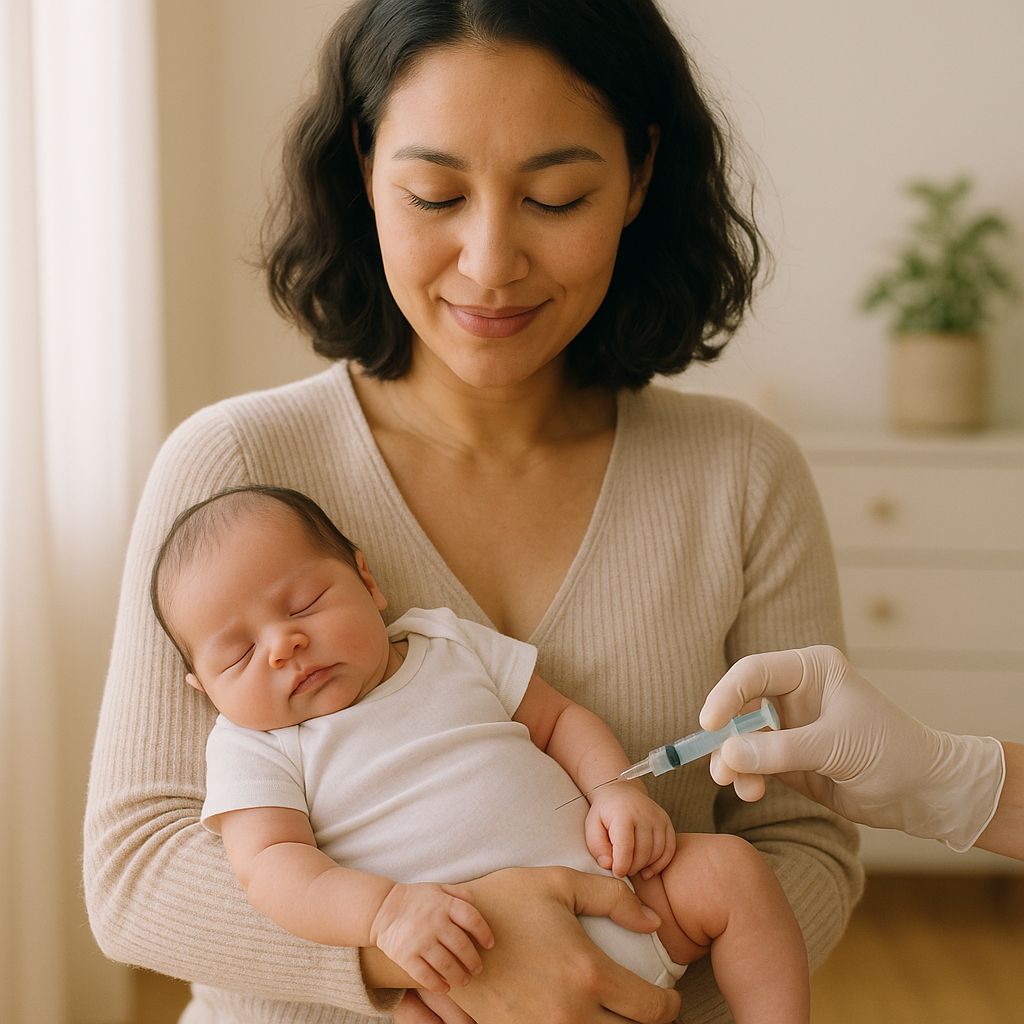

Newborn Vaccination Guide for Parents: A Clinical, Research-Based Overview
Vaccination is a cornerstone of modern pediatric health care. For newborns, timely immunization is crucial in preventing potentially life-threatening diseases during the most vulnerable stage of life. This comprehensive guide, rooted in clinical research and global health recommendations, offers parents authoritative insights into newborn vaccines, schedules, safety, and efficacy.
Why Vaccinate Newborns?
Newborns enter the world with immature immune systems, leaving them susceptible to infection. Vaccines provide protection by stimulating the immune response without causing disease, helping to shield infants from pathogens that can lead to severe complications or death. According to the Centers for Disease Control and Prevention (CDC) and World Health Organization (WHO), early vaccination is essential for safeguarding health and reducing disease burden.
Recommended Vaccines for Newborns
The vaccines recommended for newborns vary by country and local epidemiology. However, several key vaccines are universally recognized for their impact:
- Hepatitis B Vaccine (HepB): Administered within 24 hours of birth, this vaccine prevents the transmission of Hepatitis B, a virus that can cause chronic liver disease and cancer.
- Bacillus Calmette–Guérin (BCG): In countries with high tuberculosis prevalence, BCG is given at birth to protect against severe forms of TB.
- Oral Poliovirus Vaccine (OPV): In regions where polio persists, OPV may be administered to newborns.
In the United States, the Hepatitis B vaccine is standard for all infants. BCG and OPV are administered in other parts of the world based on local disease risk.
Hepatitis B Vaccine: Clinical Evidence
Multiple large-scale studies have demonstrated the safety and efficacy of the Hepatitis B vaccine in newborns. The CDC recommends the first dose at birth, followed by subsequent doses at 1-2 months and 6-18 months. Research confirms that early immunization dramatically reduces rates of pediatric Hepatitis B infection and associated complications.
BCG and OPV: Global Considerations
While not administered in the US, BCG and OPV play vital roles in global newborn immunization. BCG protects newborns from severe TB, particularly meningitis and disseminated disease. OPV, used extensively in polio-endemic regions, is key to eradication efforts. Both vaccines have decades of safety data supporting their use.
Newborn Immunization Schedule
The CDC's recommended immunization schedule for infants is evidence-based and regularly updated according to new research:
| Age | Vaccine | Notes |
|---|---|---|
| Birth | HepB (1st dose) | Within 24 hours, especially if mother is HepB positive |
| 1-2 months | HepB (2nd dose) | Follow-up dose |
| 2 months | DTaP, IPV, Hib, PCV13, Rotavirus | First doses of major vaccines |
| 6-18 months | HepB (3rd dose) | Completes series |
Parents should consult their pediatrician for country-specific schedules and adaptations for premature infants or those with specific health conditions.
How Vaccines Work: Mechanism and Immunity
Vaccines contain antigens—substances that resemble parts of a virus or bacteria. These antigens stimulate the immune system to produce antibodies, providing immunity without causing illness. Newborn vaccines are designed to be safe and effective for immature immune systems, based on rigorous clinical trials.
Safety and Efficacy of Newborn Vaccines
Parents frequently express concerns regarding vaccine safety. Clinical research and post-marketing surveillance demonstrate that newborn vaccines are among the safest interventions in medicine:
- Safety: Vaccines undergo extensive testing, including preclinical studies, randomized controlled trials, and ongoing monitoring for adverse events. Side effects are typically mild—such as swelling, redness, or fever—and resolve quickly.
- Efficacy: Vaccines administered at birth are highly effective at preventing disease. For example, Hepatitis B vaccination at birth reduces transmission risk by over 90%.
- Monitoring: Health agencies continuously review vaccine data to identify rare adverse events and update recommendations accordingly.
Common Side Effects
Most newborns tolerate vaccines well. The most common side effects include:
- Redness or slight swelling at injection site
- Mild fever
- Fussiness or irritability
Severe reactions are exceedingly rare. Parents should report any unusual symptoms to their pediatrician.
Addressing Parental Concerns: Evidence-Based Answers
Parents may worry about ingredients, timing, or long-term effects. Research consistently verifies vaccine safety, debunking myths and misinformation:
- Autism: Multiple large studies, including from the CDC and NIH, show no link between vaccines and autism.
- Mercury and Thimerosal: Thimerosal is no longer used in vaccines for infants in the US and most developed countries. No evidence shows harm from trace amounts previously used.
- Immune Overload: Scientific consensus demonstrates that newborns can safely handle multiple vaccines, as antigens are far fewer than daily environmental exposures.
Global Perspectives on Newborn Vaccination
Vaccination policies differ worldwide, reflecting local epidemiology. The WHO provides a global immunization schedule, emphasizing Hepatitis B, BCG, and OPV in regions with higher disease burden. International collaboration has led to dramatic reductions in neonatal mortality from vaccine-preventable diseases.
What If Your Newborn Misses a Vaccine?
Missed vaccines can be caught up through established schedules. Parents should contact their pediatrician promptly. Delays may slightly increase infection risk, but catch-up immunization restores protection.
Clinical Research and Ongoing Surveillance
Vaccine development involves decades of research, including:
- Preclinical animal studies
- Phase I-III randomized controlled trials
- Post-marketing surveillance (Phase IV)
Global health agencies monitor adverse events and efficacy, adapting recommendations as needed. The Vaccine Adverse Event Reporting System (VAERS) in the US is a critical tool for ongoing safety assessment.
Newborn Vaccination: Ethical and Public Health Considerations
Vaccination is not only an individual health measure but also a public health strategy. High coverage rates prevent outbreaks and protect vulnerable populations, including those who cannot be vaccinated due to medical reasons. Ethical frameworks emphasize the duty to protect children and communities through evidence-based immunization.
Preparing for Your Newborn’s Vaccination
Parents should:
- Discuss vaccination schedules with their pediatrician
- Keep a record of vaccines administered
- Monitor for mild side effects
- Stay informed through credible sources (CDC, WHO, AAP)
Conclusion: The Importance of Evidence-Based Immunization
Vaccinating newborns is a scientifically validated, essential step in protecting their health. The benefits—prevention of severe diseases, reduction in infant mortality, and public health protection—far outweigh the risks. Parents are encouraged to follow recommended schedules, address concerns with their healthcare provider, and contribute to a healthier future for their child and community.
References
- Centers for Disease Control and Prevention. CDC Immunization Schedule for Children.
- World Health Organization. WHO Immunization Schedule.
- American Academy of Pediatrics. AAP Immunization Guidance.
- NIH Vaccine Safety Reports.
Frequently Asked Questions
- What vaccines are recommended for newborns?
- The primary vaccine recommended at birth in the United States is the Hepatitis B vaccine. In some countries, newborns may also receive the BCG (for tuberculosis) and oral polio vaccines.
- Are newborn vaccines safe?
- Extensive clinical trials and ongoing monitoring confirm the safety and efficacy of newborn vaccines. Side effects are typically mild and temporary.
- Why are vaccines given so early?
- Newborns are vulnerable to infections. Early vaccination provides critical protection during a period when their immune systems are still developing.
- What should I do if my newborn misses a vaccine dose?
- Contact your pediatrician promptly. Catch-up schedules are available to ensure your child receives all essential immunizations.
- Can vaccines cause autism or other neurological issues?
- No credible scientific evidence links vaccines to autism or severe neurological conditions. Major health organizations, including the CDC and WHO, affirm vaccine safety.