
Nail Care and Grooming for Newborn Babies: Clinical Guidance & Best Practices
Newborn babies are delicate, and their care requires attention to every detail—including proper nail care and grooming. While seemingly minor, appropriate nail hygiene is crucial for preventing accidental scratches, minimizing infection risk, and supporting overall health. This article presents thorough, research-based guidance for parents, caregivers, and health professionals.
Understanding Newborn Nail Growth
At birth, newborns often have soft, flexible nails that mature rapidly. According to the Journal of Pediatric Health Care, the rate of nail growth in infants is approximately 0.1 mm per day, which can lead to nails becoming long enough to cause scratches within the first week of life.
- Softness: Newborn nails are softer and more pliable than those of older children.
- Growth rate: Nails grow quickly, requiring consistent monitoring.
- Risk of injury: Long or sharp nails can result in facial or eye injuries due to involuntary movements.
Clinical Recommendations for Newborn Nail Care
Expert consensus from pediatricians and dermatologists indicates the importance of gentle, safe nail care. The American Academy of Pediatrics (AAP) recommends the following steps:
- Initial Waiting Period: Wait until your baby is at least one week old before first trimming. This allows the nail plate to harden and reduces the risk of injury.
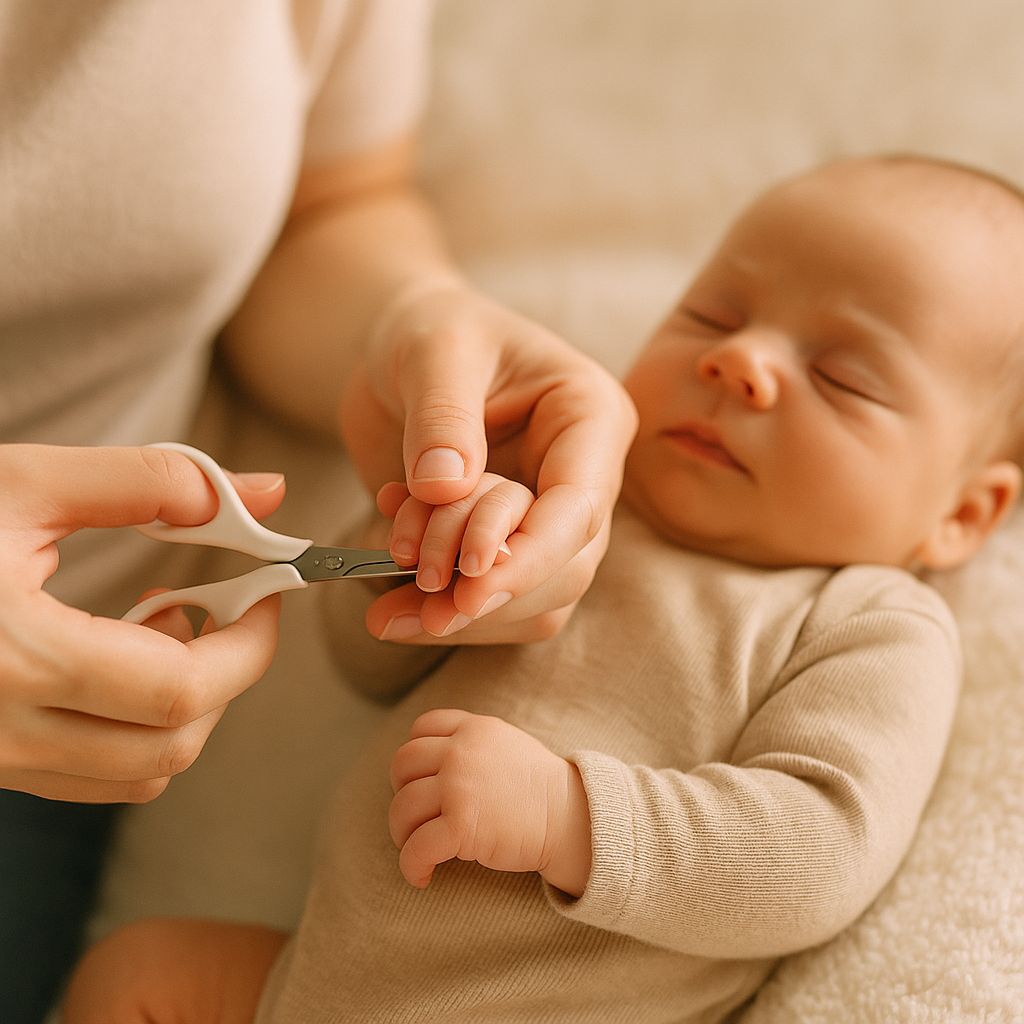
- Use Specialized Tools: Employ baby nail scissors with rounded tips or a soft emery board. Adult nail clippers are discouraged due to their size and potential for causing cuts.
- Trim During Sleep: For optimal safety, trim nails when your baby is sleeping or calm. This minimizes sudden movement and reduces risk.
- Natural Peeling: In the first weeks, some nails naturally peel off. If this occurs, allow nails to shed without intervention, avoiding forceful removal.
Step-by-Step Guide: Safe Nail Trimming
- Preparation: Wash your hands, ensure adequate lighting, and have all tools ready.
- Positioning: Hold your baby's hand firmly but gently, securing fingers to minimize movement.
- Trimming: Cut nails straight across, avoiding deep cuts into the nail corners to prevent ingrown nails.
- Filing: Use a soft emery board to smooth edges, especially if nails remain sharp after trimming.
- Aftercare: Examine hands for any signs of injury or bleeding. If a cut occurs, clean with warm water and apply gentle pressure.
Evidence-Based Hygiene Practices
Maintaining cleanliness during nail care is paramount for infection prevention. Research published in the Journal of Pediatrics highlights the importance of hand hygiene before and after grooming. Tools should be disinfected regularly, and nails should not be bitten or torn.
- Clean tools with alcohol or soap and water before each use.
- Wash your baby's hands regularly, especially after nail trimming.
- Do not share nail grooming tools between siblings to avoid cross-contamination.
Potential Risks and How to Mitigate Them
Improper nail care can lead to several complications:
- Scratches: Long nails may cause facial scratches, which are common but can be minimized with regular grooming.
- Infection: Cuts or torn nails can introduce bacteria, leading to paronychia or other infections.
- Ingrown Nails: Deep trimming into nail corners increases the risk of ingrown nails.
Preventive Strategies
- Trim nails straight across, avoiding rounded or deep cuts.
- Monitor for signs of infection: redness, swelling, or discharge.
- Consult your pediatrician if any symptoms develop.
Mittens and Scratch Prevention: Clinical Insights
Many parents opt for mittens to prevent scratches. However, research from the American Journal of Pediatrics warns that prolonged use of mittens may interfere with tactile development and hand exploration. While temporary use may be beneficial immediately after birth, regular nail care is the best long-term strategy.
- Allow your newborn to explore their hands whenever safe.
- Use mittens only as a short-term solution.
Tool Selection: Clinical Recommendations
Choosing the right tools is vital for safe grooming:
- Baby Nail Scissors: Rounded tips prevent accidental cuts.
- Emery Boards: Soft files smooth edges without risk.
- Baby Nail Clippers: If used, ensure a rounded design and gentle pressure.
Tool Hygiene
- Disinfect tools after each use.
- Store in a clean, dry place.
Frequency of Nail Grooming
How often should you trim your newborn's nails? The answer varies based on individual nail growth. For most newborns:
- Inspect nails every 2-3 days.
- Trim or file once or twice per week.
- Adjust frequency as your baby grows and nails harden.
Signs of Nail Problems & When to Seek Help
Despite careful grooming, complications may occur. Watch for:
- Redness, swelling, or tenderness around the nail.
- Discharge or pus indicating infection.
- Persistent bleeding after trimming.
- Ingrown nail formation.
If any symptoms arise, contact your pediatrician promptly. Early intervention prevents escalation and supports recovery.
Cultural Practices & Modern Recommendations
Cultural beliefs may influence nail care practices. In some regions, traditional methods such as waiting for the nails to fall off naturally are preferred. While respecting cultural values is important, clinical evidence supports gentle trimming once nails harden to avoid scratches and infection.
Research Summary: Nail Care and Development
Recent studies affirm that early nail care contributes to overall newborn well-being. Proper grooming supports tactile exploration, reduces injury risk, and fosters hygiene. A meta-analysis in the Journal of Pediatric Nursing found that parents who regularly groomed nails reduced rates of facial injuries and improved hand development outcomes.
Summary Table: Nail Care Best Practices
| Practice | Recommendation | Clinical Evidence |
|---|---|---|
| Initial Trimming | Wait until 1 week old | Reduces risk of injury |
| Tool Selection | Baby scissors, emery board | Minimizes cuts and infection |
| Trimming Technique | Straight across, gentle pressure | Prevents ingrown nails |
| Hygiene | Clean tools, wash hands | Reduces bacterial contamination |
| Monitoring | Inspect every few days | Early detection of issues |
Frequently Asked Questions
- When should I first trim my newborn's nails? Clinical recommendations advise waiting until your baby is at least one week old before trimming their nails. This allows the nails to harden slightly, reducing the risk of injury.
- What tools are safest for trimming newborn nails? Use dedicated baby nail scissors with rounded tips or an emery board. Avoid adult nail clippers, which may cause injury due to their size and sharpness.
- How often should I check and trim my newborn's nails? Inspect your baby's nails every few days. For most newborns, trimming once or twice a week is sufficient, but frequency may vary based on nail growth.
- Are mittens effective for preventing scratches? While mittens can temporarily prevent scratches, they may interfere with tactile development. Prioritize regular nail care and allow your baby to explore their hands whenever safe.
- What signs of infection should I watch for after nail grooming? Monitor for redness, swelling, discharge, or tenderness around the nail. If any symptoms appear, consult your pediatrician promptly.
Conclusion
Newborn nail care is a foundational aspect of early hygiene and health. With clinical guidance, appropriate tools, and gentle techniques, parents and caregivers can safeguard their babies from accidental injury, infection, and discomfort. Regular inspection, timely trimming, and adherence to hygiene protocols are supported by current research and pediatric recommendations. By fostering these habits, you ensure your newborn's hands remain safe, healthy, and ready for exploration.
For additional guidance on newborn care, speak with your pediatrician or consult professional resources such as the American Academy of Pediatrics.