Music and Movement Activities for Babies: Boosting Development Through Play
Have you ever noticed how your baby’s face lights up when you sing, clap, or dance with them? Music and movement activities for babies are more than just adorable moments—they’re powerful tools to support your little one’s development. Whether you’re a parent, caregiver, or educator, incorporating musical play into your daily routine is simple, fun, and incredibly beneficial.
Why Music and Movement Matter for Babies
Babies are born ready to learn, and sensory experiences like music and movement are essential for their overall growth. Here’s why:
- Brain Development: Music stimulates neural pathways related to language, reasoning, and problem-solving.
- Physical Skills: Movement activities help develop gross and fine motor skills, coordination, and balance.
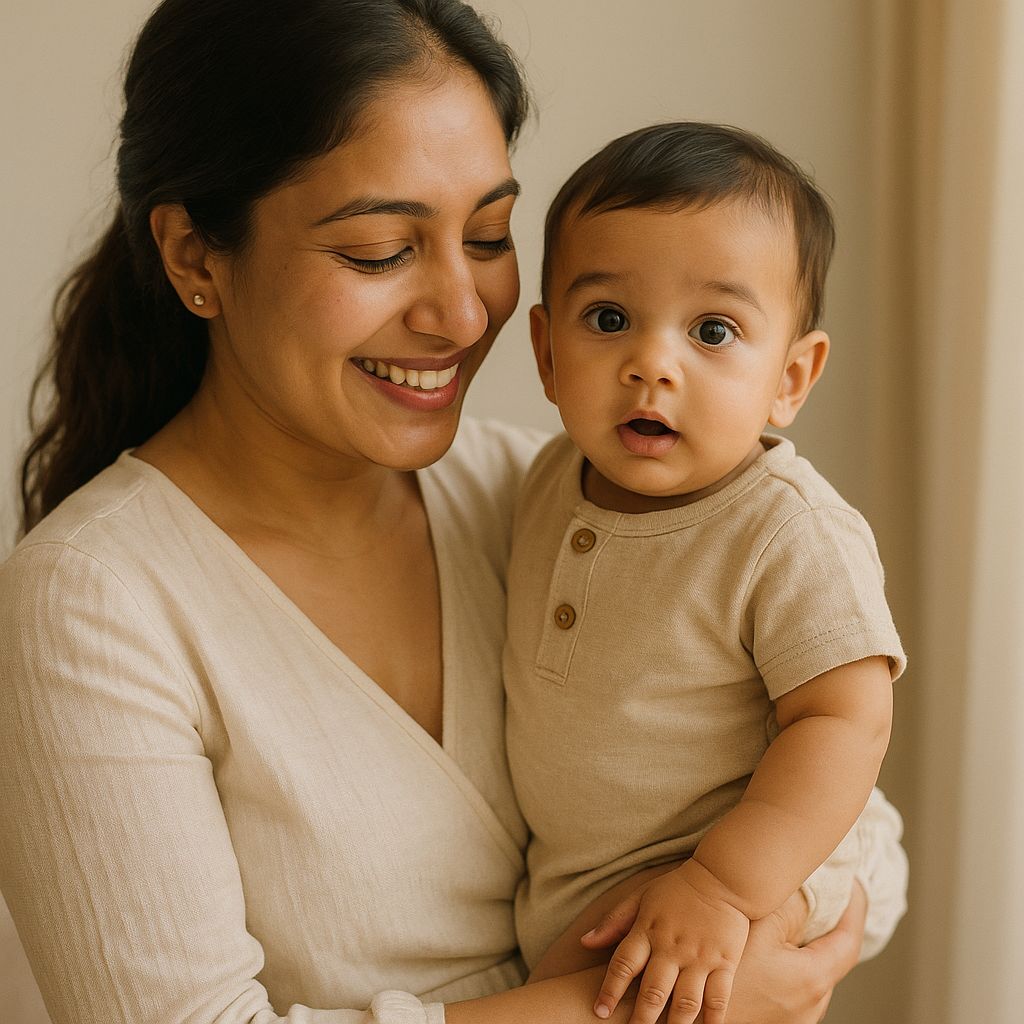
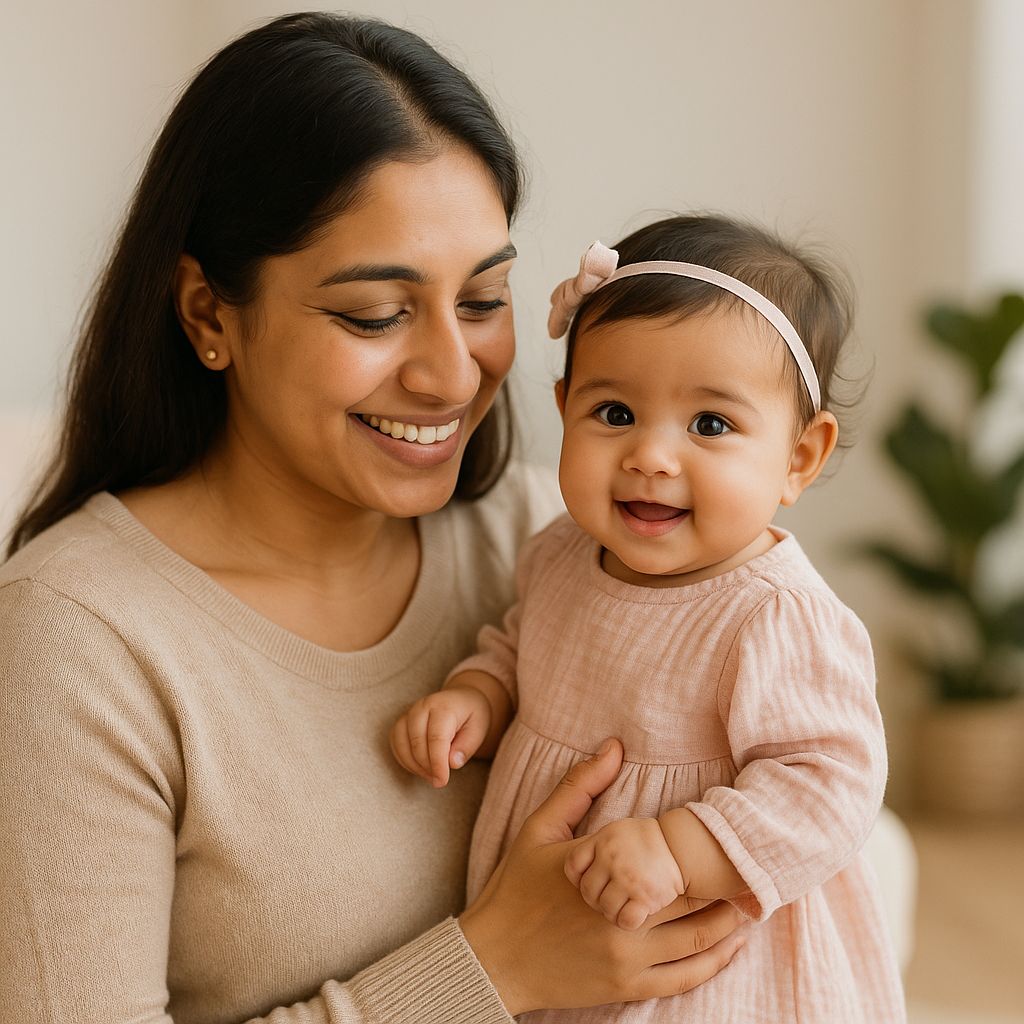
- Emotional Bonding: Shared musical experiences strengthen the parent-child bond and foster a sense of security.
- Social Awareness: Babies learn about turn-taking, listening, and responding—a foundation for future social skills.
- Language Acquisition: Songs with repetitive patterns and rhymes support early language development.
Getting Started: Tips for Parents and Caregivers
- Follow Baby’s Lead: Observe your baby’s reactions and adjust the activity’s tempo, volume, or movement based on their cues.
- Keep it Simple: Everyday moments—like diaper changes or bath time—are perfect for short musical interactions.
- Use What You Have: No special equipment needed! Your voice, hands, and common household items are all you need.
- Safety First: Always supervise babies during activities, especially when using objects as instruments or props.
- Repetition is Key: Repeating the same songs and movements helps babies anticipate what comes next, building memory and comfort.
10 Fun Music and Movement Activities for Babies
-
1. Baby Bounces
Sit with your baby on your lap and gently bounce them to the beat of a simple song or rhyme (like “Ride a Little Horsey” or “Trot, Trot to Boston”). The rhythmic motion and your voice provide comfort and fun physical stimulation.
-
2. Tummy Time Tunes
Encourage tummy time by playing or singing upbeat songs. Place safe, colorful instruments nearby (like soft shakers or crinkly toys) to inspire reaching and grasping while moving to the music.
-
3. Instrument Exploration
Let your baby explore homemade or store-bought instruments: rattles, bells, or a small drum. Show them how to shake, tap, or roll them. The sounds help develop cause-and-effect understanding.
-
4. Dance Party
Hold your baby securely and sway, twirl, or gently bounce to your favorite tunes. Try a mix of lullabies, upbeat pop, or classical music. Vary the speed and movements to keep things interesting!
-
5. Action Songs
Classic action songs like “If You’re Happy and You Know It,” “The Wheels on the Bus,” and “Itsy Bitsy Spider” encourage babies to mimic hand motions, clap, or kick along with you.
-
6. Mirror Jams
Sit with your baby in front of a mirror and sing or play music. Make silly movements or facial expressions together. Babies love watching faces—and their own reflection enhances self-awareness.
-
7. Scarf Play
Use lightweight scarves or cloths to wave, float, or peek-a-boo to music. This stimulates vision, hand-eye coordination, and introduces rhythm as you move the scarf to the beat.
-
8. Lap Songs
Try gentle lap games like “Row, Row, Row Your Boat” or “Bumping Up and Down in My Little Red Wagon.” The rhythmic bouncing and rocking are soothing and help babies feel connected to you.
-
9. Foot and Hand Songs
Sing songs that involve touching or moving your baby’s feet and hands, like “This Little Piggy” or “Pat-a-Cake.” This supports body awareness and fine motor skills.
-
10. Lullaby Wind-Down
End the day with calming lullabies and gentle rocking. Dim the lights, hold your baby close, and create a peaceful routine that signals it’s time to relax and sleep.
Homemade Musical Instruments: Simple DIY Ideas
You don’t need a full band to make music at home! Try these safe, easy instruments:
- Shakers: Fill an empty plastic bottle with dry beans or rice. Secure the lid with tape.
- Drums: Use an empty oatmeal container or a large plastic bowl. Tap with hands, wooden spoons, or soft spatulas (always supervise).
- Bells: Jingle bells can be sewn or securely tied into fabric for shaking (never leave loose bells unattended).
Making Movement Activities Part of Everyday Life
Music and movement don’t require a special class or lots of prep. Here are easy ways to add musical moments to your daily routine:
- Morning Wake-Up: Sing a good morning song as you lift your baby from the crib.
- Diaper Changes: Distract and engage your baby with silly songs or gentle leg movements to music.
- Bath Time: Splash and move arms and legs to the rhythm of a favorite tune.
- Walks: Narrate your stroll with rhythm (“Step, step, step!”) or hum along to music while baby’s in the stroller.
- Bedtime: Create a soothing wind-down routine with gentle rocking and lullabies.
Common Questions About Music and Movement for Babies
- At what age can I introduce music and movement activities to my baby?
- From birth! Even newborns respond to gentle singing, rocking, and rhythmic movements. Gradually adapt activities as your baby grows.
- Do I need special instruments for baby music activities?
- Nope! Everyday items like pots, plastic containers, and your own hands make wonderful instruments.
- How often should I do music and movement activities?
- Short, daily sessions are perfect. Watch your baby’s cues and stop if they seem overstimulated or tired.
- Can music and movement help my baby sleep?
- Absolutely! Calming routines with lullabies and gentle rocking can signal sleep time and help babies relax.
Expert Tips for Success
- Consistency: Repeating songs and routines helps babies learn and anticipate what’s coming next.
- Participation: Babies love your involvement. Sing, dance, and play with enthusiasm—even if you’re off-key!
- Watch for Overstimulation: If your baby seems fussy or turns away, try quieter or slower activities.
- Make it a Family Affair: Involve siblings or other family members for more fun and bonding.
- Have Fun! Enjoy these moments—they’re building blocks for a lifelong love of music and movement.
Conclusion: Joyful Growth, One Beat at a Time
Music and movement activities for babies are simple, joyful, and packed with developmental benefits. From the first gentle lullaby to a playful dance party in your living room, these experiences enrich your baby’s mind, body, and bond with you. So turn up the tunes, grab a scarf or shaker, and let the giggles begin—your baby’s brain and heart will thank you!
References & Further Reading:
- Zero to Three: How Music Builds Babies’ Brains
- NAEYC: Music and Movement with Infants and Toddlers
- American Academy of Pediatrics: Developmental Milestones