
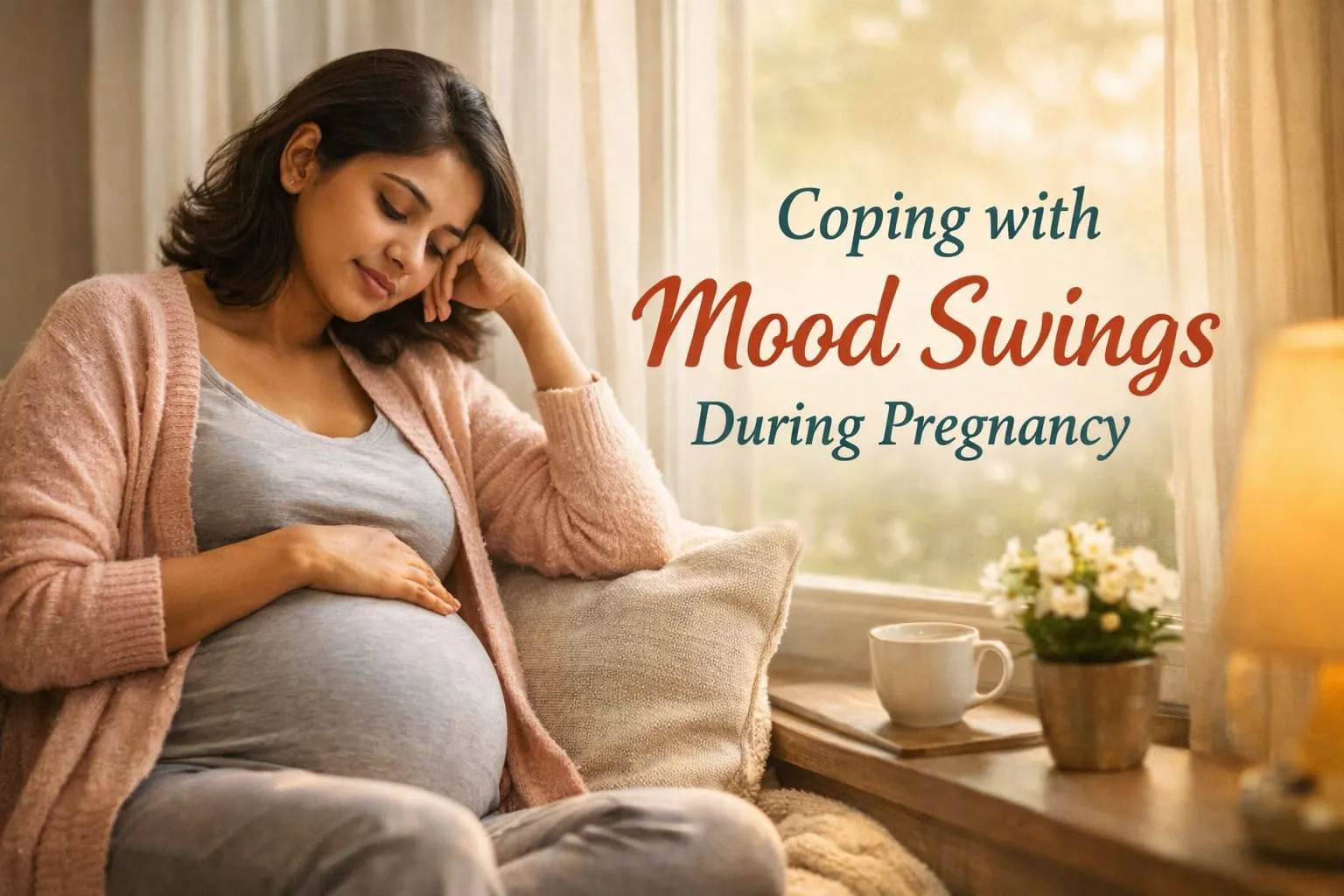

How to Handle Mood Swings During Pregnancy
Pregnancy is a beautiful journey — full of excitement, anticipation, and love. But it also brings its own set of challenges, especially emotional ones. If you find yourself crying over a TV commercial one moment and laughing uncontrollably the next, you’re not alone. Mood swings during pregnancy are completely normal and surprisingly common, especially for first-time mothers.
Understanding why these emotional ups and downs happen and how to handle them can make your experience much smoother and more positive.
Why Do Mood Swings Happen During Pregnancy?
Pregnancy causes a roller-coaster of physical and emotional changes. The main culprits behind your changing moods are hormonal fluctuations — particularly estrogen and progesterone.
Hormonal Changes
- Estrogen, which increases sharply in early pregnancy, can heighten your emotional sensitivity.
- Progesterone, known for its calming effect, sometimes causes fatigue, sluggishness, or sadness when levels fluctuate.
These hormonal changes directly influence neurotransmitters in your brain — the chemicals that regulate your mood — making you more prone to emotional ups and downs.
Emotional and Lifestyle Factors
Beyond hormones, mental and social factors play a big role too:
- Worrying about the baby’s health and delivery
- Physical discomforts like morning sickness, back pain, or sleep disturbances
- Adjusting to body image changes
- Stress about finances or family responsibilities
In the Indian context, added expectations from joint family setups, cultural traditions, and societal pressures can heighten emotional stress. Many women silently juggle between household duties, work, and pregnancy care, which can make mood swings even stronger.
Common Symptoms and Triggers
Mood swings during pregnancy can look different for each woman, but here are some common signs:
- Feeling unusually irritated or impatient
- Crying easily or feeling overwhelmed
- Sudden bursts of laughter or sadness
- Trouble concentrating or making decisions
- Feeling anxious, restless, or lonely
Triggers may include:
- Lack of sleep
- Hunger or skipping meals
- Feeling unsupported or isolated
- Hormonal surge during the first and third trimesters
- Overthinking about childbirth or motherhood
Tips to Manage Mood Swings During Pregnancy
1. Nourish Your Body
- Eat small, frequent meals to maintain energy levels and avoid dips in blood sugar.
- Include foods rich in omega-3 fatty acids (like walnuts and flaxseeds), which support brain health.
- Add iron, folate, and vitamin B12 sources such as spinach, lentils, and eggs to stabilize mood.
- Avoid excessive caffeine and processed sugar, which can cause irritability and fatigue.
A comforting home-cooked dal-chawal or khichdi can do wonders when you’re craving calm and warmth.
2. Prioritize Rest and Sleep
- Follow a steady bedtime routine.
- Use extra pillows for support.
- Limit screen time at night.
- Take short naps in the day if needed.
Adequate rest helps balance hormones and reduces emotional fatigue.
3. Stay Active
- Prenatal yoga or stretching
- Gentle walks after meals
- Breathing exercises (Pranayama)
A 20-minute evening stroll in your local park or terrace can lift your spirits.
4. Build a Support System
Don’t hesitate to share your emotions. Talk to your husband, mother, or a close friend. Joining pregnancy support groups (many are available online in India) can also make you feel understood and connected.
Sometimes, just having someone to listen without judgment makes a huge difference.
5. Practice Relaxation and Mindfulness
- Try guided meditation or calming music.
- Practice gratitude journaling — note down three things you’re thankful for every day.
- Enjoy simple self-care routines — a warm bath, a prenatal massage, or reading a light book.
Indian traditions like listening to Garbh Sanskar music or chanting mantras can also have a soothing effect.
When to Seek Medical Help
While mood swings are normal, it’s important to recognize when they might be a sign of something more serious, like prenatal depression or anxiety.
- Persistent sadness or hopelessness for more than two weeks
- Loss of interest in daily activities
- Frequent crying spells without reason
- Difficulty bonding with your pregnancy
- Thoughts of self-harm or running away
Consult your gynecologist or a mental health professional. They can suggest safe therapies, counseling, or other interventions. Remember — asking for help is a sign of strength, not weakness.
FAQs About Mood Swings During Pregnancy
1. Are mood swings normal during pregnancy?
Yes, completely. Most women experience mood swings due to hormonal, physical, and emotional changes during pregnancy.
2. Which trimester has the worst mood swings?
Mood swings are most common in the first trimester and the third trimester.
3. Can diet really affect my mood?
Absolutely. A balanced diet keeps your energy and mood steady.
4. Should I talk to my doctor about my mood changes?
Yes, especially if they’re severe or persistent.
5. Can yoga or meditation really help?
Yes. They help calm your mind, regulate breathing, and improve sleep.
Note
Pregnancy is a journey through body and mind. Feeling emotionally unpredictable is part of that transformation — your body is working overtime to create life. By nourishing yourself, staying connected, and embracing self-care, you can manage mood swings during pregnancy with patience and kindness.
Every emotion you feel is valid and temporary. Don’t be hard on yourself — you’re doing an incredible job growing a new life.