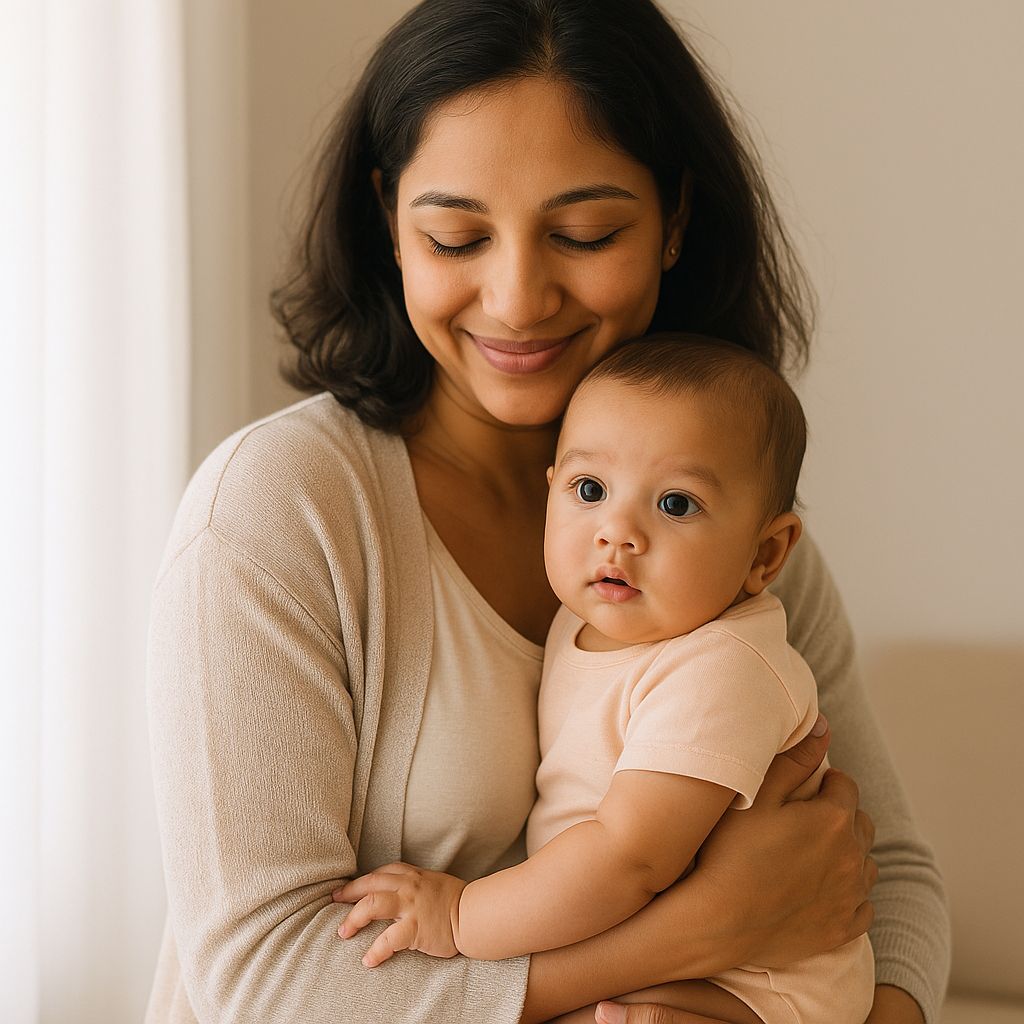

Monsoon Travel Tips with Babies: A Clinically-Backed Guide for Parents
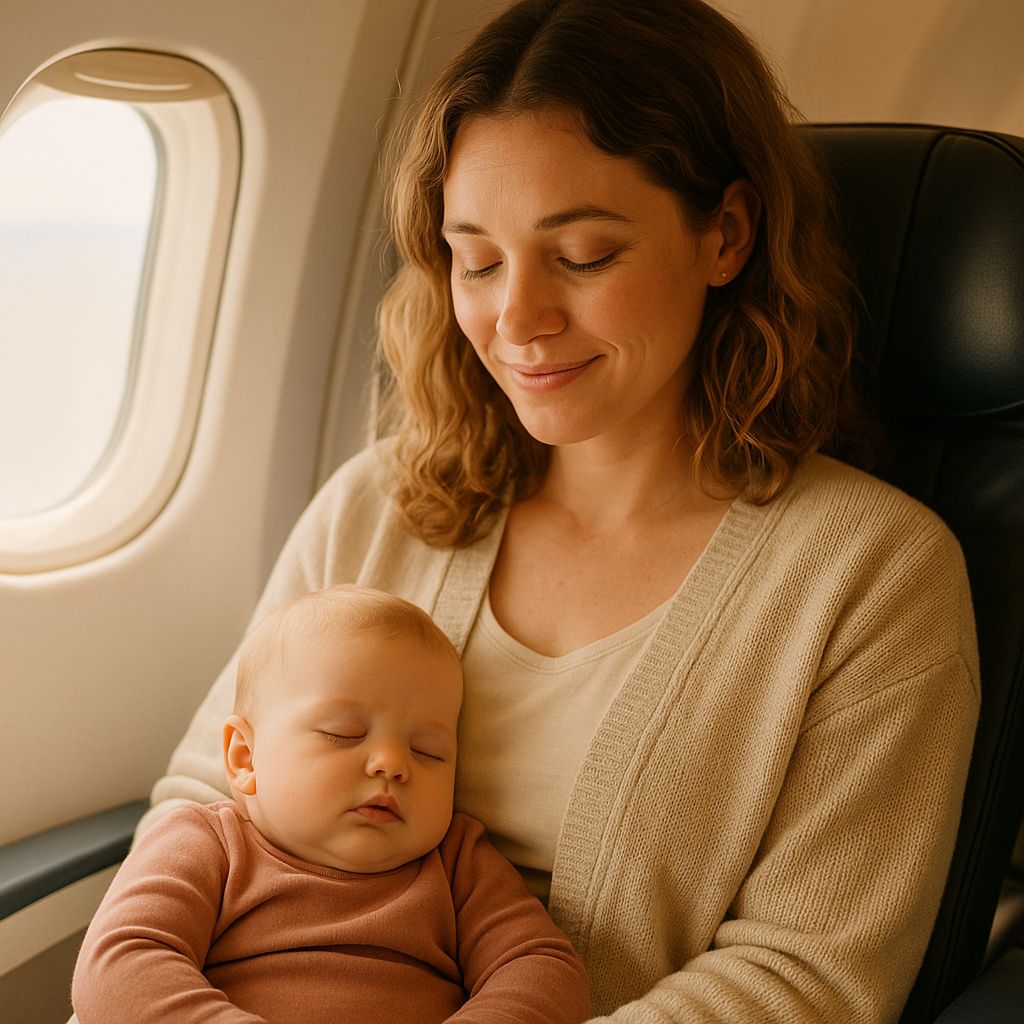
Traveling with a baby can be daunting under the best circumstances, and the monsoon season introduces an extra layer of complexity. The increased humidity, frequent rains, and heightened risk of infections require parents to be well-prepared and vigilant. This research-based guide offers clinically-backed tips for safe, healthy, and comfortable monsoon travel with your baby, ensuring memorable family adventures despite the rainy weather.
Understanding the Monsoon Challenges
The monsoon season—characterized by heavy rainfall, high humidity, and fluctuating temperatures—poses unique challenges for infants and young children. According to the Centers for Disease Control and Prevention (CDC), babies are more susceptible to waterborne and vector-borne diseases during this period. The risk of respiratory infections, skin rashes, and gastrointestinal issues also increases due to the proliferation of pathogens in moist conditions.
1. Pre-Travel Preparation: Health First
Consult Your Pediatrician
Before embarking on your journey, schedule a check-up with your child's pediatrician. Discuss your travel plans, destination-specific risks, and ensure all vaccinations are up-to-date. Some regions may require additional immunizations or prophylactic medications (e.g., against malaria or dengue).
Pack a Medical Kit
- Prescription medications and a copy of your baby's health records
- Paracetamol/acetaminophen drops (for fever or pain)
- Thermometer
- Antiseptic wipes and cream
- Oral Rehydration Salts (ORS) for diarrhea or dehydration
- Saline nasal drops (for congestion)
- Hand sanitizer (alcohol-based, for adult use)
Emergency Planning
Identify the nearest pediatric care centers at your travel destination. Save emergency contact numbers and locate pharmacies in advance. Download relevant health apps or local emergency services apps for quick access.
2. Smart Packing for Monsoon Travel with Babies
Clothing and Accessories
- Lightweight, breathable, and quick-drying clothes
- Full-sleeve shirts and pants to minimize mosquito bites
- Waterproof jackets, ponchos, and hats
- Multiple changes of clothes to handle sudden rains
- Waterproof baby shoes or booties
- Soft, absorbent towels (quick-dry preferred)
Diapering Essentials
- Extra supply of diapers (preferably disposable during travel)
- Waterproof changing mats
- Diaper rash cream (as wet conditions can cause irritation)
- Disposable diaper bags
Baby Gear and Rain Protection
- Rain covers for strollers and carriers
- Waterproof travel bag for baby essentials
- Portable baby carrier (preferably with a hood)
- Umbrella or portable baby tent for outdoor use
3. Feeding Your Baby Safely During Monsoon
Breastfeeding is Best
Breastfeeding remains the safest way to feed your baby during travel, especially in the monsoon, as it reduces exposure to contaminated water and food. The World Health Organization (WHO) recommends exclusive breastfeeding for infants up to six months.
Bottle Feeding Precautions
- Carry pre-sterilized bottles and nipples in sealed containers
- Use ready-to-feed formula to avoid mixing with possibly contaminated water
- If using formula, always boil and cool water before mixing (use bottled water if local supply is questionable)
- Sterilize feeding equipment regularly
Solid Foods
- Carry homemade, easy-to-digest foods in airtight containers
- Avoid street food and raw, uncooked items
- Wash fruits and vegetables thoroughly with safe water
4. Hygiene: Your First Line of Defense
Hand Hygiene
Viral and bacterial infections spread rapidly during the monsoon. Wash your hands before handling your baby, preparing feeds, or after diaper changes. Use alcohol-based hand sanitizers when soap and water are unavailable, but keep them out of baby's reach.
Surface and Toy Cleanliness
- Disinfect baby toys, pacifiers, and surfaces regularly
- Use baby-safe disinfectant wipes for quick cleaning
- Store feeding and teething items in clean, dry containers
5. Mosquito and Insect Protection
Monsoon is peak season for mosquitoes, increasing the risk of malaria, dengue, and chikungunya. The American Academy of Pediatrics recommends the following:
- Dress your baby in full-sleeve clothing and long pants
- Use mosquito nets for sleeping areas and strollers
- Apply baby-safe mosquito repellent on exposed skin and clothes (check age recommendations; avoid hands and face)
- Keep windows and doors screened; avoid stagnant water where mosquitoes breed
6. Weather-Proofing Your Travel Plans
Choose Safe Transportation
Opt for reliable, comfortable transport modes. Avoid routes prone to flooding or landslides. Ensure your vehicle has working wipers, AC, and is stocked with baby supplies.
Plan Flexible Itineraries
Allow for weather-induced delays. Avoid overpacking your schedule. Have indoor alternatives ready for sightseeing or entertainment.
Accommodation Safety
- Choose accommodations with good hygiene ratings
- Confirm safe drinking water supply
- Ask about generator backup in case of power outages
- Inspect the room for dampness, mold, and mosquito entry points
7. Managing Common Monsoon Health Issues
Respiratory Infections
Keep your baby away from crowded or poorly ventilated spaces. Dress appropriately to avoid chills. Seek medical advice if you notice persistent cough, fever, or breathing difficulties.
Skin Problems
Moisture can cause rashes and fungal infections. Change wet clothes promptly and keep skin folds dry. Use pediatrician-approved antifungal powders if needed.
Digestive Upsets
Stick to safe feeding practices, as mentioned above. Watch for signs of dehydration (dry mouth, less urination, lethargy) and offer ORS as advised by your doctor.
8. Travel Entertainment & Comfort
- Pack waterproof, easy-to-clean toys and books
- Carry soothing items like a favorite blanket (ensure it's dry and clean)
- Have a pacifier, teether, or musical toy for comfort during delays
9. Quick Tips for Rainy Season Travel with Babies
- Check weather updates regularly and adjust plans accordingly
- Keep all electronic devices and chargers in waterproof pouches
- Have a list of local pediatricians and pharmacies
- Practice patience and flexibility—unexpected rains can disrupt plans
Conclusion
Traveling with your baby during the monsoon can be a rewarding experience when approached with clinical caution and thorough preparation. By prioritizing health, hygiene, and weather-appropriate packing, you can mitigate the risks associated with the rainy season. Always consult healthcare professionals for personalized advice, and remember—flexibility and vigilance are your best travel companions during the monsoon.
References
- Centers for Disease Control and Prevention (CDC)
- World Health Organization (WHO): Breastfeeding
- American Academy of Pediatrics (AAP)
Frequently Asked Questions
- Is it safe to travel with a baby during the monsoon?
- Yes, with proper preparation and adherence to safety guidelines, traveling with a baby during the monsoon can be safe. Focus on health precautions, hygiene, and weather-appropriate packing.
- What should I pack for my baby during monsoon travel?
- Pack waterproof clothing, quick-dry layers, extra diapers, mosquito repellent suitable for babies, sterilized feeding supplies, and a portable first aid kit.
- How can I protect my baby from infections during monsoon travel?
- Practice rigorous hand hygiene, sterilize feeding bottles, avoid street food and untreated water, and use protective gear like rain covers and mosquito nets.
- Are there special vaccination needs for babies during the monsoon?
- While routine vaccinations are essential, consult your pediatrician for any region-specific vaccines recommended for travel during the monsoon.