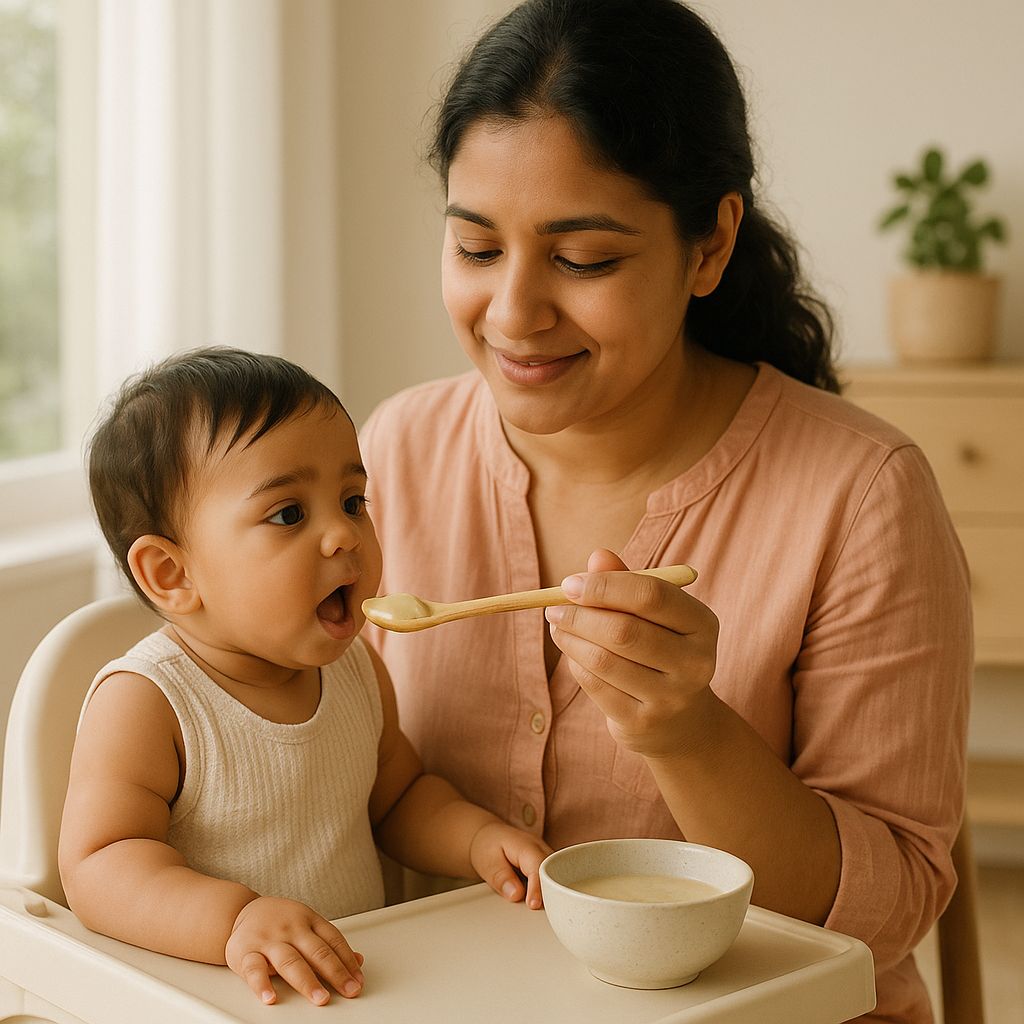

Monsoon Diet Tips for Babies: A Research-Based Guide for Parents
The monsoon season brings much-needed respite from the summer heat, but it also poses unique health challenges, especially for infants and young children. Increased humidity and fluctuating temperatures provide an ideal environment for the proliferation of bacteria, viruses, and other pathogens. For parents, ensuring the right diet for their babies during the monsoon is crucial for maintaining optimal health, supporting immunity, and preventing infections. This comprehensive, research-backed article explores essential monsoon diet tips for babies, focusing on safe nutrition, food safety, and practical strategies for parents.
Why Is Monsoon Diet Important for Babies?
Babies’ immune systems are still developing, making them more susceptible to infections, particularly those transmitted via contaminated food and water. Gastrointestinal infections, diarrhea, and respiratory illnesses are more common during the monsoon. According to the Indian Academy of Pediatrics (IAP), attention to diet and hygiene can reduce the risk of these seasonal illnesses significantly.
- Food-borne illnesses: Increased moisture leads to rapid food spoilage and contamination.
- Water-borne diseases: Rainwater can contaminate drinking water sources, increasing infection risk.
- Digestive sensitivity: Babies’ digestive systems are sensitive and can react adversely to dietary changes or contaminated foods.
General Monsoon Diet Guidelines for Babies
These guidelines are based on recommendations from pediatric nutritionists and the World Health Organization (WHO).
1. Prioritize Breastfeeding
- For infants under 6 months, exclusive breastfeeding is highly recommended. Breast milk provides all necessary nutrients and natural antibodies that help strengthen the immune system.
- For babies above 6 months, continue breastfeeding alongside complementary foods.
2. Ensure Rigorous Food Hygiene
- Wash hands thoroughly before preparing or feeding food.
- Use clean, sterilized utensils and feeding bottles.
- Wash fruits and vegetables with potable water, and peel or cook them before serving.
- Avoid feeding leftovers; always prepare fresh meals for your baby.
- Cook all foods thoroughly to kill pathogens.
- Store prepared food in the refrigerator and discard if left out for more than 2 hours.
3. Safe Water Practice
- Use only boiled and cooled water for preparing formula or feeding babies above 6 months.
- Avoid using unfiltered or untreated water for drinking or washing baby food.
Best Foods for Babies During Monsoon
The choice of foods should be guided by your baby’s age and developmental stage. The following options are safe and nutritious, provided your baby has been introduced to them previously and shows no signs of allergy.
For Babies 6-9 Months
- Pureed vegetables: Carrots, sweet potatoes, pumpkin — all cooked well and mashed.
- Rice porridge (khichdi): Made with rice and moong dal, cooked to a soft consistency.
- Apple or pear puree: Peel, steam, and mash fruits to ensure safety.
- Homemade cereals: Rice, ragi, or wheat porridge cooked with boiled water.
For Babies 9-12 Months
- Vegetable and lentil soups: Well-cooked and pureed.
- Idli or soft upma: Made fresh, without spicy seasonings.
- Mashed potatoes or sweet potatoes: Ensure they are freshly cooked.
- Soft fruits: Ripe banana, stewed apple or pear. Avoid papaya and watermelon, as they can harbor bacteria easily in monsoon.
- Egg yolk: If already introduced, offer well-cooked egg yolk.
For Toddlers (12 Months+)
- Well-cooked vegetables: Broccoli, beans, carrots, peas.
- Whole grains: Rice, oats, whole wheat chapati.
- Paneer or tofu: Homemade or pasteurized, cooked thoroughly.
- Lean chicken or fish: If non-vegetarian, ensure meat is fresh and well-cooked.
- Seasonal fruits: Only those that can be peeled and are freshly cut at home, e.g., banana, apple, papaya (ensure proper hygiene).
Foods to Avoid During Monsoon
Certain foods carry a higher risk of contamination during the rainy season. Avoid these to minimize infection risk:
- Raw fruits and vegetables that cannot be peeled or cooked (e.g., lettuce, cucumber).
- Pre-cut fruits and salads from outside.
- Street food, including juices, snacks, and sweets.
- Unpasteurized dairy products.
- Leftover or reheated foods.
- Fermented foods (idli, dosa batter) kept for long hours at room temperature.
- Highly processed snacks and sweets.
Immunity-Boosting Foods for Babies in Monsoon
Nutrition plays a pivotal role in supporting the immune system. According to clinical studies published by the American Journal of Clinical Nutrition, the following nutrients are essential for developing immunity in infants and young children:
- Vitamin A: Found in cooked carrots, pumpkin, sweet potatoes. Supports mucosal barrier integrity.
- Vitamin C: Present in boiled and mashed guava, papaya, and oranges (for older babies). Enhances white blood cell function.
- Zinc: Lentils, beans, and eggs (for babies above 9 months).
- Probiotics: Homemade fresh curd (for babies above 8 months; ensure it is prepared hygienically and consumed fresh).
- Proteins: Moong dal, eggs, paneer – vital for cell repair and immunity.
Always introduce new foods one at a time and monitor for allergies or adverse reactions.
Hydration During Monsoon
Maintaining hydration is equally important during the rainy season. Babies under 6 months do not require additional water if exclusively breastfed. For older infants and toddlers:
- Offer boiled and cooled water between meals.
- Limit fruit juices; prioritize whole fruits instead.
- Avoid sugary or carbonated beverages.
Practical Food Safety Measures
- Buy fresh produce and use it within a day or two.
- Store food in clean, airtight containers.
- Discard any food that looks or smells suspicious.
- Clean kitchen surfaces and baby feeding equipment regularly.
Sample Monsoon Meal Plan for Babies (9-12 Months)
| Time | Meal |
|---|---|
| 7:00 am | Breastfeed/formula |
| 9:00 am | Rice porridge with mashed carrot |
| 12:00 pm | Moong dal khichdi with pumpkin puree |
| 2:00 pm | Steamed apple puree |
| 5:00 pm | Idli with mashed peas |
| 7:00 pm | Vegetable soup with soft rice |
| 9:00 pm | Breastfeed/formula |
Adjust portion sizes and frequency based on your baby’s age and appetite. Always consult with your pediatrician for personalized recommendations.
Red Flags: When to Seek Medical Help
Despite best efforts, babies may occasionally fall ill during the monsoon. Watch for these warning signs and consult your doctor promptly:
- Persistent vomiting or diarrhea
- High fever
- Lethargy, refusal to feed
- Signs of dehydration (dry mouth, reduced urination)
- Unusual rashes or breathing difficulty
Conclusion
A research-based monsoon diet for babies focuses on safety, hygiene, and nutrition. Prioritize breastfeeding, freshly cooked meals, and immunity-boosting foods, while being vigilant about food and water safety. Remember, every baby is different—always tailor dietary choices to your child’s developmental stage and medical advice. A cautious, informed approach can help your baby enjoy the monsoon season safely and healthily.
References
- Indian Academy of Pediatrics (IAP) Guidelines on Infant Nutrition
- World Health Organization (WHO) Complementary Feeding Recommendations
- American Journal of Clinical Nutrition: Role of Nutrition in Immune Function