
Managing Separation Anxiety While Traveling: Expert Strategies for Parents
Traveling with children is an enriching experience that creates lasting memories, fosters curiosity, and strengthens family bonds. However, even the most exciting journeys can be challenging when your child experiences separation anxiety. For many parents, balancing the joy of travel with the emotional needs of their children requires thoughtful preparation and expert guidance.
Understanding Separation Anxiety in Children
Separation anxiety is a normal developmental stage, typically peaking in children between 8 months and 3 years, but it can affect children of all ages, especially in unfamiliar settings. During travel, changes in routine, new environments, and the absence of familiar faces or places can intensify these feelings. Recognizing the signs and triggers of separation anxiety is the first step in supporting your child.
- Clinginess or reluctance to separate from parents
- Excessive crying or tantrums during departures
- Physical symptoms like headaches or stomachaches
- Difficulty sleeping in new places
- Worrying about something bad happening to parents or themselves
Why Does Separation Anxiety Worsen During Travel?
Travel removes children from the comfort of their daily routines and familiar surroundings. Airports, hotels, and tourist attractions are unpredictable environments that can amplify anxiety. Even positive events—like visiting relatives—can trigger stress. Understanding the root causes of travel-related separation anxiety helps parents tailor their support strategies.
- Disrupted routines: Meal, nap, and bedtime schedules may shift during trips.
- Unfamiliar environments: New sights, sounds, and people can be overwhelming.
- Temporary separations: Group tours, childcare at resorts, or parents going out for dinner can spark anxiety.
Preparing for Travel: Pre-Trip Strategies
Preparation is crucial for reducing separation anxiety while traveling. Start by involving your child in the travel process, communicating openly, and addressing their concerns.
1. Discuss the Trip Ahead of Time
- Use age-appropriate language to explain where you’re going, how you’ll get there, and what to expect.
- Show photos or videos of your destination and accommodations.
- Read children’s books about travel or visiting new places.
2. Practice Short Separations
- Gradually increase the time your child spends away from you before the trip (stay with a grandparent, attend a playdate, etc.).
- Reinforce that you always return and celebrate each successful reunion.
3. Pack Comfort and Familiar Items
- Bring a favorite stuffed animal, blanket, or pillow to help your child feel secure.
- Include familiar snacks, pajamas, or small toys.
4. Maintain Routines
- Stick to regular meal and bedtime schedules as much as possible, even across time zones.
- Establish a simple bedtime routine you can replicate anywhere (storytime, lullaby, cuddling).
5. Involve Your Child in Planning
- Allow your child to choose activities, help pack their bag, or select their travel outfit.
- Giving them a sense of control can reduce anxiety.
Managing Separation Anxiety During Travel
Once your journey begins, stay flexible and responsive to your child’s emotional needs. Here are expert-approved strategies for managing separation anxiety while traveling:
1. Stay Calm and Reassuring
- Your demeanor sets the tone. If you remain calm, your child is more likely to feel safe.
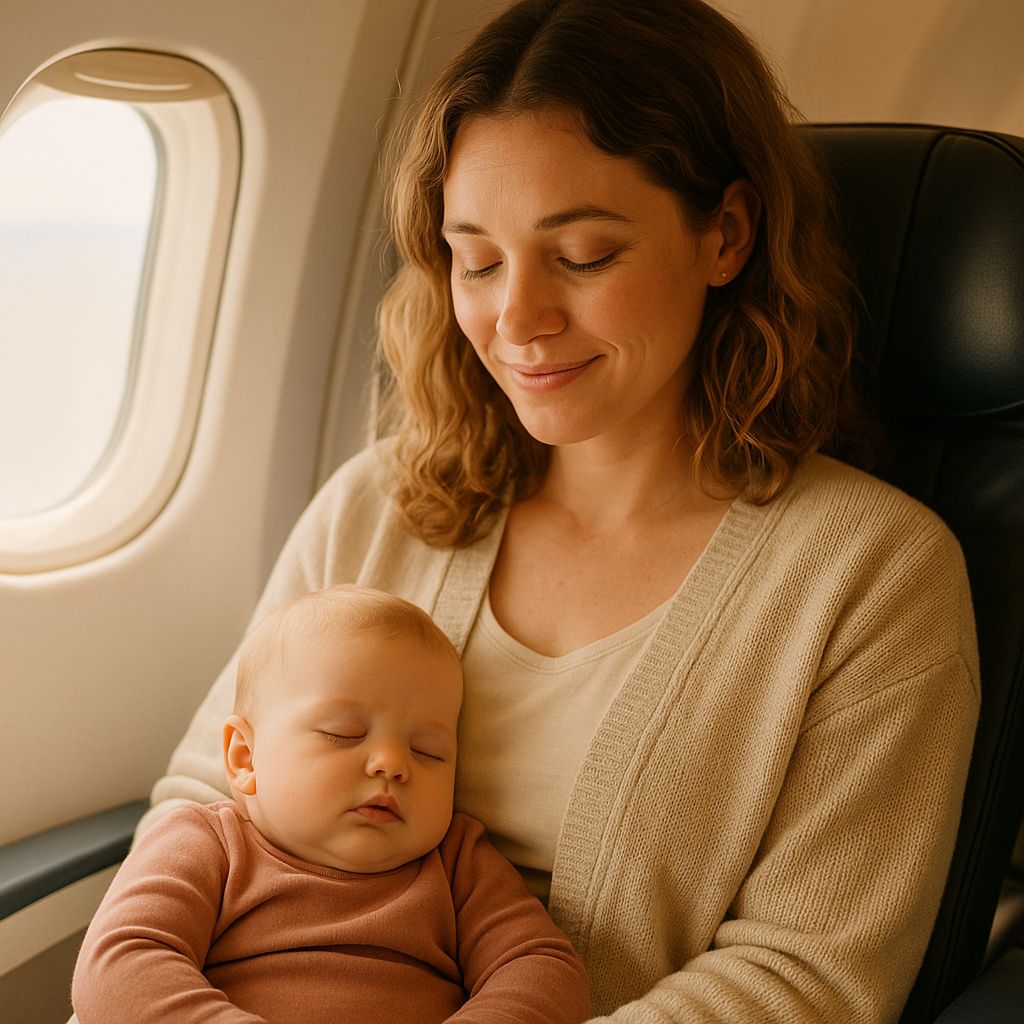
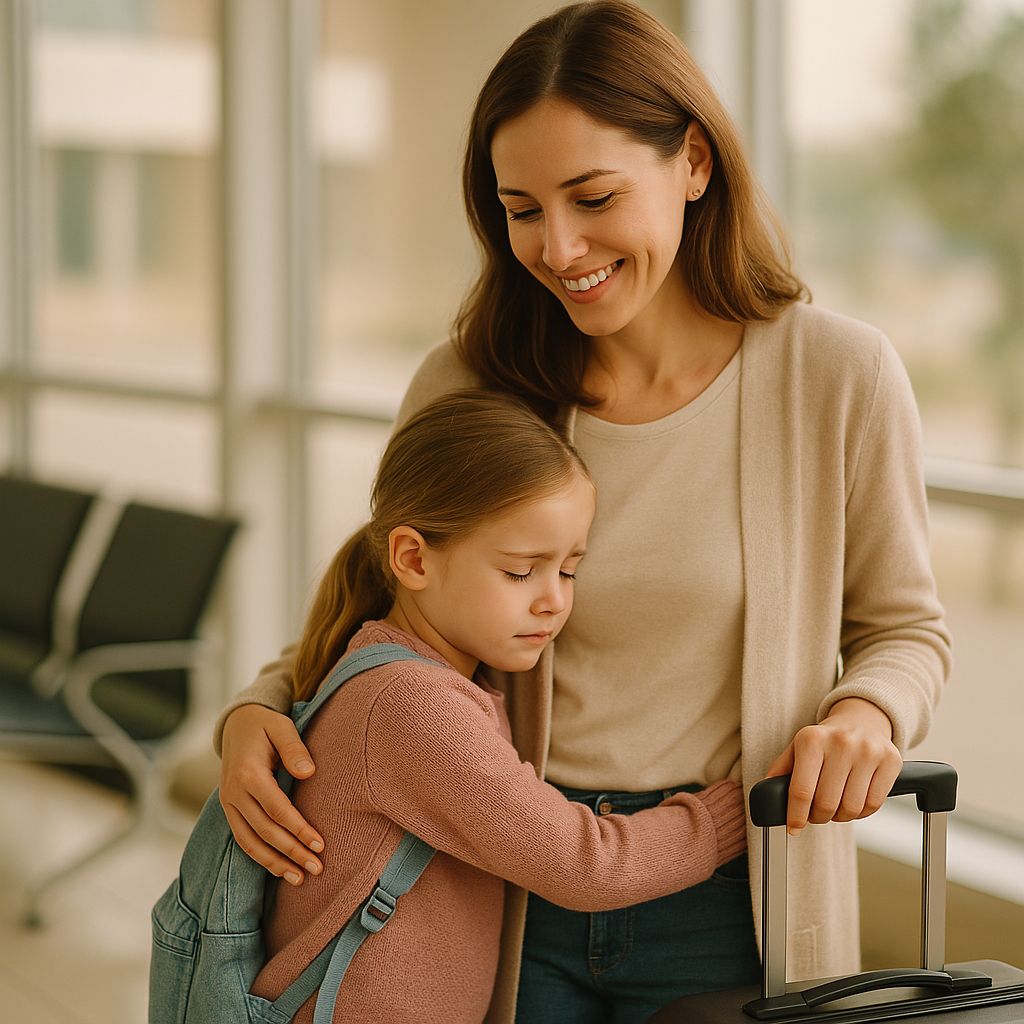
- Offer physical comfort—hugs, holding hands, or sitting close together during stressful moments.
2. Validate Feelings
- Acknowledge your child’s emotions. Say, “I see that you’re feeling nervous. It’s okay to feel that way.”
- Avoid dismissing their worries or telling them to “be brave.”
3. Use Positive Reinforcement
- Praise your child for small acts of independence, such as sleeping in a new bed or trying a new activity.
- Use reward charts or stickers to celebrate their efforts.
4. Distract and Engage
- Pack travel-friendly games, coloring books, or audiobooks to keep your child engaged.
- Encourage participation in new experiences with gentle encouragement, not pressure.
5. Plan for Downtime
- Don’t over-schedule. Build in quiet time or naps to help your child decompress.
- Identify calm spots (a quiet corner in a museum, hotel lounge, or outdoor park) for breaks.
6. Stay Connected When Apart
- If your child must be apart from you (e.g., kid’s club, babysitter), create a goodbye ritual (special handshake, goodbye song).
- Leave a personal item (like a scarf or photo) as a comfort object.
- Promise to return at a specific time and stick to it.
7. Communicate with Caregivers
- If others will care for your child (relatives, hotel staff), share tips about your child’s preferences, routines, and comfort items.
- Check in periodically, especially during longer separations.
Dealing with Setbacks: What to Do When Anxiety Peaks
Even the most prepared families experience setbacks. If your child becomes overwhelmed:
- Stay close and offer comfort—don’t force separation.
- Remove your child from overstimulating environments when possible.
- Use calming techniques like deep breathing or gentle rocking.
- Remind your child of previous successes in managing separation.
- If needed, adjust your plans to prioritize your child’s well-being.
After the Trip: Supporting Long-Term Adjustment
Returning home can bring relief, but children may exhibit lingering anxiety or regress in their independence. Reinforce routines and praise your child for their adaptability. Reflect together on the trip, focusing on positive moments and what helped them feel secure.
- Look at travel photos and talk about favorite memories.
- Encourage your child to share their experiences with friends or teachers.
- Continue practicing short separations to build confidence.
When to Seek Professional Help
Most children adjust to travel-related separation anxiety with parental support. However, if your child’s anxiety is severe, persistent, or interferes with daily life, consult a pediatrician or child psychologist. Signs that may warrant professional help include:
- Intense fear of separation lasting more than four weeks
- Physical symptoms (vomiting, headaches) without medical cause
- Refusal to participate in activities or leave home
- Difficulty sleeping or eating due to worry
Additional Tips for Specific Age Groups
Toddlers (1–3 years)
- Keep transitions brief and predictable.
- Use visual schedules (pictures of daily activities) to reinforce routines.
Preschool and Early School Age (4–7 years)
- Offer simple explanations for changes in plans.
- Use role-play to practice separations (e.g., pretend play at the airport).
Older Children (8+ years)
- Encourage journaling or drawing about their feelings.
- Allow more involvement in travel decisions and problem-solving.
Conclusion: Making Travel an Opportunity for Growth
Managing separation anxiety while traveling can be challenging, but it is also an opportunity to teach resilience, adaptability, and coping skills. With preparation, empathy, and the right strategies, traveling can become a positive experience for the whole family. Remember: Your support is the most comforting anchor your child has—wherever in the world you may be.
Recommended Resources
- American Academy of Child & Adolescent Psychiatry
- Zero to Three (Parenting Resources)
- HealthyChildren.org (Travel Tips)
- Psychology Today (Find a Therapist)