
Managing Picky Eating During Trips: A Practical Guide for Parents
Traveling with children can be exciting and educational, but if your child is a picky eater, trips can become a source of anxiety for both of you. Different cuisines, unfamiliar restaurants, and disrupted routines often make managing picky eating during trips a daunting task. However, with expert planning and a flexible mindset, you can help your child enjoy the adventure without sacrificing nutrition or joy at mealtimes. This comprehensive guide will equip you with practical strategies to turn picky eating on the go into a manageable—and even enjoyable—experience for the whole family.
Understanding Picky Eating on the Road
Before tackling picky eating during travel, it's essential to understand why it may be more pronounced during trips. Many children find comfort in routine, familiar foods, and environments. Travel introduces new tastes, smells, and settings, which can amplify food aversions or anxiety. Being prepared for these reactions is the first step in managing picky eating during trips effectively.
Step 1: Pre-Trip Preparation
Start the Conversation Early
Discuss your upcoming trip with your child. Involving them in conversations about destinations, travel plans, and especially food can help reduce anxiety. Show photos of local foods or research menus together. If possible, try restaurant-style meals at home to introduce the concept of dining out.
Pack Familiar Foods
- Bring a supply of your child’s favorite non-perishable snacks: whole grain crackers, rice cakes, granola bars, dried fruits, or nut-free trail mix.
- Include a few meal components they’re comfortable with—think shelf-stable cheese, applesauce pouches, or single-serve peanut butter (check airline and destination restrictions).
- For road trips, pack a cooler with cut-up fruits, veggies, and cheese sticks.
Research Food Options
- Look up restaurant menus online in advance. Many chains and local restaurants post menus or even ingredient lists.
- Book accommodations with kitchenettes or mini-fridges, allowing you to prepare simple, familiar meals.
- Scout out local supermarkets or farmer’s markets for fresh produce and familiar brands.
Step 2: Snack Smart, Snack Often
One of the best ways to prevent hunger-related meltdowns is to offer regular, nutritious snacks. Frequent, small snacks can help stave off hunger and reduce pressure at main meals.
- Portable snack ideas: mini muffins, fruit pouches, pretzel sticks, popcorn, yogurt tubes (if refrigeration is available), or squeezable nut butters.
- Pack snacks in a dedicated travel pouch your child can access independently.
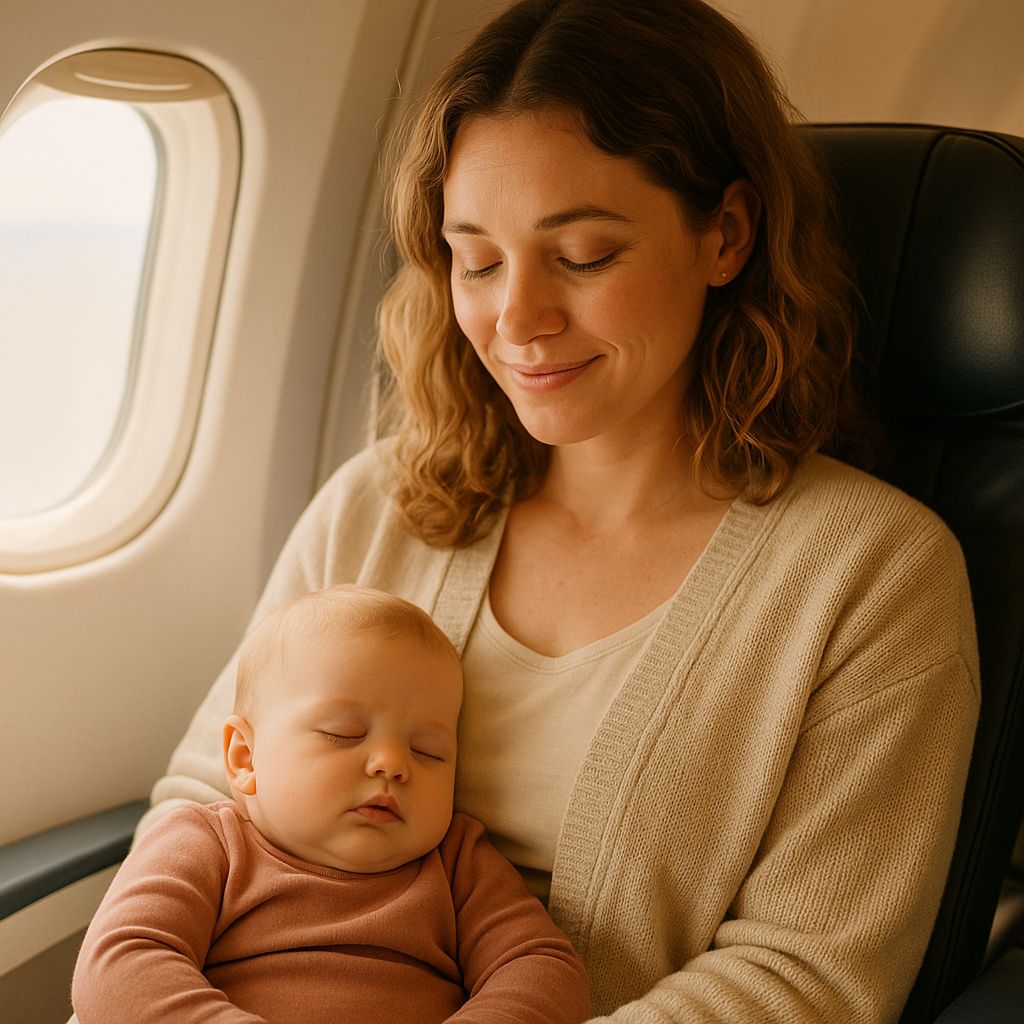
- Use snack time as an opportunity for routine and comfort, especially during long flights or drives.
Step 3: Mealtime Strategies on the Go
Stick to a Flexible Schedule
While strict mealtimes may not always be possible, try to maintain a rough eating schedule. Children thrive on predictability, and knowing when to expect snacks or meals can help reduce anxiety.
Foster Choice and Involvement
Whenever possible, let your child participate in meal decisions. Present two or three options at restaurants or from your snack bag. Involving them in small choices helps them feel a sense of control.
Balance Familiarity and Adventure
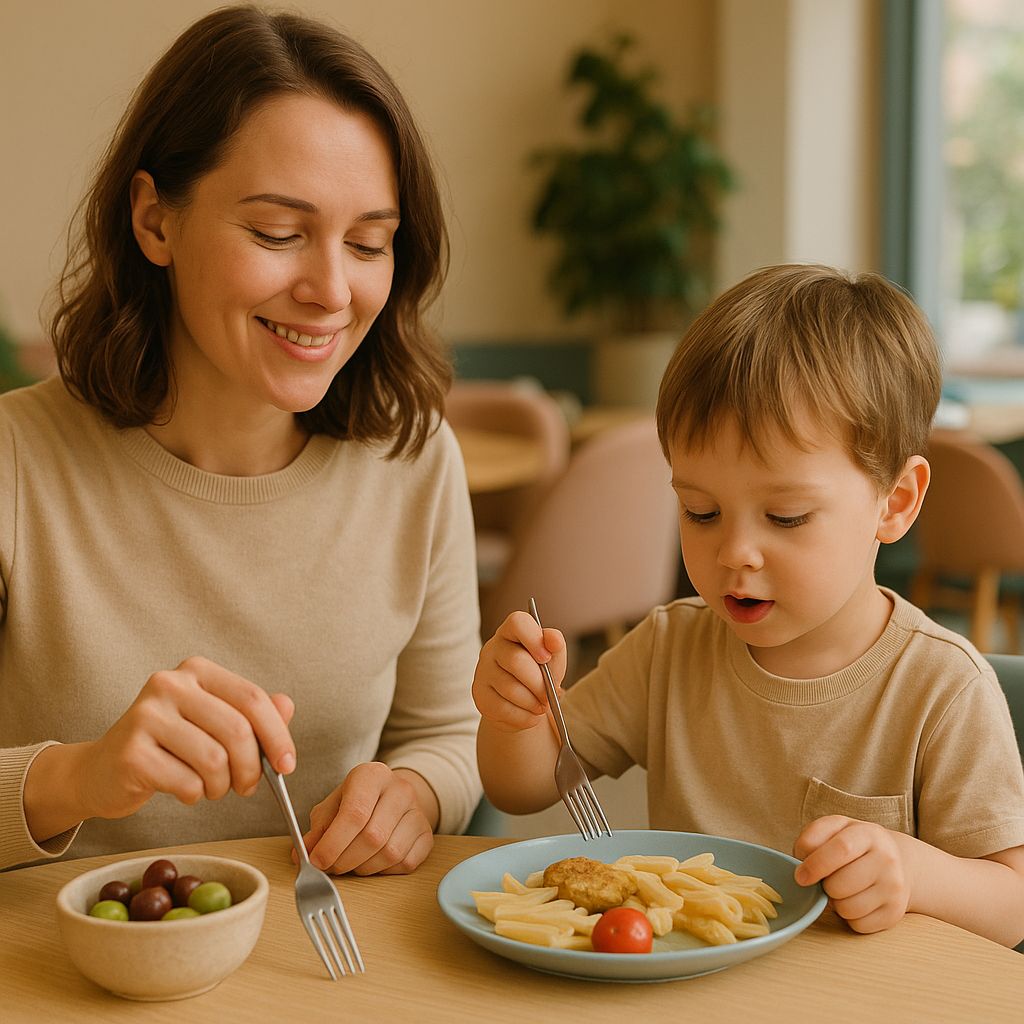
- Offer at least one familiar item at every meal.
- Encourage, but never force, trying new foods by having a small “taste plate.”
- Pair new dishes with favorite sides, dips, or sauces brought from home.
Model Positive Attitudes Towards Food
Show enthusiasm for trying local specialties. Even if your child refuses, seeing you enjoy new foods can gradually lower their resistance to unfamiliar tastes in the future.
Step 4: Handling Food Aversions in New Environments
Respect Comfort Zones
It’s normal for children to be wary of new smells, textures, or colors. Avoid making a big deal out of refusals. Instead, keep offering small portions without pressure.
Use Distraction and Fun
- Turn meals into a game: try a “taste test” challenge or a food scavenger hunt in a local market.
- Get creative with food presentation—fun shapes, bento boxes, or cut-out sandwiches can make meals more appealing.
Leverage Routine Foods
Don’t underestimate the comfort of a familiar breakfast or bedtime snack, even if it means having the same food for several meals. Consistency can help anchor your child in an otherwise unfamiliar environment.
Step 5: International Travel Considerations
- Review customs regulations before packing snacks or meal items from home.
- Learn a few key food-related phrases in the local language to communicate allergies, aversions, or preferences.
- Use grocery stores to find simple, recognizable foods like yogurt, bread, fruit, or cheese.
When to Be Concerned
Most picky eating is temporary and doesn’t impact overall health. However, if your child is regularly refusing food and showing signs of dehydration, fatigue, or extreme anxiety, seek local medical advice or consult your pediatrician.
Practical Tips for Every Parent
- Pack a small utensil set and a favorite dish or cup from home.
- Bring wipes, bibs, and disposable placemats for easy clean-up.
- Download food-related apps to find kid-friendly restaurants or markets at your destination.
- Practice patience and celebrate small victories.
Sample Packing List for Picky Eaters
| Category | Examples |
|---|---|
| Non-Perishable Snacks | Whole grain crackers, granola bars, dried fruits, fruit pouches |
| Portable Proteins | Nut-free trail mix, tuna pouches, shelf-stable cheese |
| Meal Add-Ons | Single-serve nut butters, shelf-stable hummus, instant oatmeal |
| Comfort Items | Favorite cup, spoon, or bowl |
Sample Travel-Friendly Meal Schedule
- Breakfast: Oatmeal packet, fruit cup, milk or water
- Morning Snack: String cheese, crackers
- Lunch: Turkey sandwich, carrot sticks, yogurt tube
- Afternoon Snack: Apple slices, granola bar
- Dinner: Pasta with familiar sauce, bread, fruit
- Evening Snack: Cereal or dry fruit
Frequently Asked Questions
- How can I ensure my picky eater gets enough nutrition while traveling?
- Pack a variety of healthy, familiar snacks and meals, involve your child in food choices, and aim for balanced nutrition over the course of the trip rather than focusing on each individual meal.
- What are some portable snacks for picky eaters?
- Good options include whole grain crackers, string cheese, fruit pouches, nut-free trail mix, granola bars, and cut-up fruits and vegetables.
- How do I handle a child refusing to eat unfamiliar foods abroad?
- Respect their preferences but encourage small tastes of new foods; combine unfamiliar items with familiar favorites and avoid pressure or force, which can increase anxiety.
- Should I bring food from home on international trips?
- Yes, bring a selection of non-perishable, familiar foods, but check customs regulations for any restrictions on food items in your destination country.
- How do I prevent mealtime meltdowns while traveling?
- Maintain a flexible schedule, keep hunger at bay with regular snacks, involve your child in choosing foods, and create a positive, low-pressure atmosphere around meals.
Conclusion
Managing picky eating during trips is a challenge faced by many families, but it doesn’t have to overshadow your travel experience. With thoughtful preparation, flexibility, and the strategies outlined above, you can ensure your child stays nourished, feels supported, and even discovers new foods along the way. Remember: travel is about adventure and connection, and with a little planning, everyone can enjoy the journey—one bite at a time.