
Managing Baby Growth Spurts While Traveling: A Parent’s Essential Guide
Traveling with a baby can be an adventure filled with joy, discovery, and, sometimes, a few unexpected challenges. One such challenge that catches many parents off guard is the occurrence of a baby’s growth spurt during travel. Growth spurts are significant developmental phases when babies experience rapid physical and cognitive growth, often accompanied by increased feeding, fussiness, and disrupted sleep. Managing baby growth spurts while traveling requires foresight, flexibility, and a well-stocked travel bag. This comprehensive guide will equip you with the knowledge and strategies you need to navigate these periods confidently, ensuring both your baby and family enjoy a smoother journey.
Understanding Baby Growth Spurts
Growth spurts are common in infancy and toddlerhood, typically occurring around 2-3 weeks, 6 weeks, 3 months, 6 months, 9 months, and again around 12 months. During these times, your baby’s body and brain undergo rapid changes. Growth spurts are often characterized by:
- Increased appetite and feeding frequency
- Disrupted or irregular sleep patterns
- Clinginess and irritability
- Noticeable changes in weight, length, or developmental skills
While growth spurts are a healthy and necessary part of development, they can challenge even the best-laid travel plans. Recognizing the signs early is the first step in managing your baby’s needs on the go.
How Growth Spurts Impact Travel
When a growth spurt strikes during travel, everyday routines like feeding, napping, and play may be thrown off course. The unfamiliar environment, changes in time zones, and disruptions to routine can intensify your baby’s reactions. Common challenges include:
- Feeding Frenzies: Babies may want to nurse or bottle-feed more often, sometimes every hour.
- Sleep Struggles: Your baby might wake more frequently at night or refuse naps.
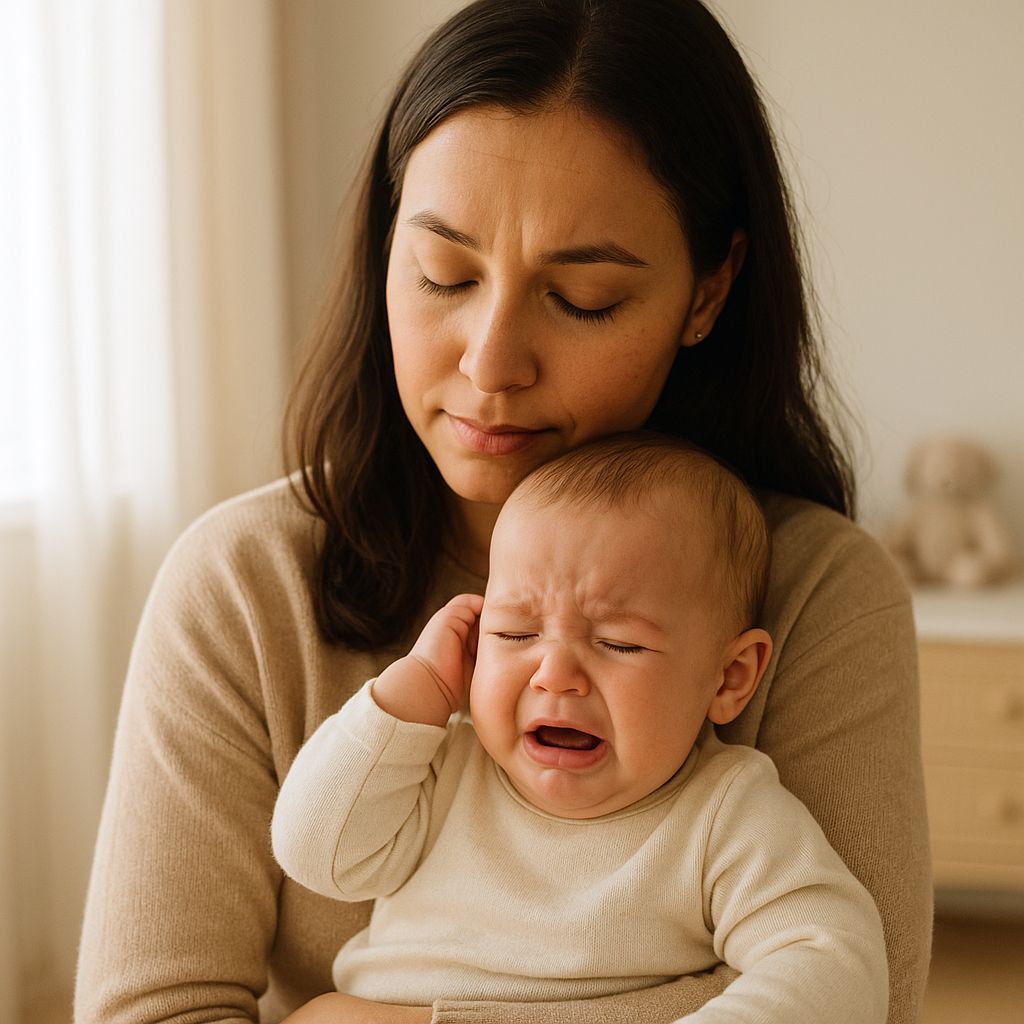
- Heightened Fussiness: Increased clinginess and crying can occur, making travel days feel longer.
- Routine Disruption: Usual schedules for meals, play, and sleep may be hard to maintain.
Being prepared to adapt and support your baby through these phases is key to a more enjoyable journey for everyone.
Essential Preparation Before Traveling
Good preparation is the cornerstone of successful travel with a baby, especially during growth spurts. Here’s how to set yourself up for success:
1. Research and Plan Ahead
- Choose accommodations with baby-friendly amenities (cribs, kitchenettes, blackout curtains).
- Map out nearby grocery stores, pharmacies, and pediatric care in case of emergencies.
- Plan for flexibility in your itinerary, allowing for extra rest or feeding times.
2. Pack Smart
- Pack extra feeding supplies (bottles, formula, snacks, breast pump with batteries, water for mixing formula).
- Bring more diapers, wipes, and changes of clothes than you think you’ll need.
- Include familiar comfort items like a favorite blanket or plush toy to soothe your baby.
- Consider a lightweight stroller or baby carrier for napping on the go.
3. Communicate with Travel Companions
- Let everyone know that plans may change based on your baby’s needs.
- Assign roles for support, such as who will handle luggage or meals while one parent tends to the baby.
Feeding Strategies On the Road
During growth spurts, babies often demand more frequent feedings. Here’s how to keep up while traveling:
Breastfeeding
- Wear comfortable, accessible clothing for easy nursing during flights, drives, or sightseeing.
- Bring a nursing cover for privacy if desired, and a portable breast pump for flexibility.
- Stay hydrated and nourish yourself—your body will be working overtime to meet your baby’s increased demands.
Bottle Feeding
- Pre-measure formula and pack enough water for mixing on the go.
- Use an insulated bag to keep bottles at the right temperature.
- Carry extra bottles and sterilizing wipes for easy cleaning.
Solids and Snacks
- Pack familiar snacks and purees that are gentle on your baby’s stomach.
- Introduce new foods at home, not while traveling, to avoid allergies or upset tummies.
Maintaining Sleep and Comfort
Sleep can be elusive during a growth spurt, but good rest is essential for your baby’s development. Here are ways to help your baby sleep while traveling:
Stick to Routines
- Continue familiar sleep routines as much as possible (bedtime stories, lullabies, bath time).
- Bring your baby’s usual sleep sack, pajamas, or white noise machine.
- Allow for extra naps if your baby is more tired than usual.
Create a Calm Sleep Environment
- Request a crib or pack-n-play in your hotel room.
- Use blackout curtains to mimic home sleep conditions.
- Minimize noise and stimulation before bedtime.
If your baby struggles with jet lag or changing time zones, gradually adjust nap and bedtime schedules before your trip by 15-30 minutes each day.
Comfort and Soothing Techniques
Growth spurts can make babies clingier and more sensitive to changes. Comfort your baby by:
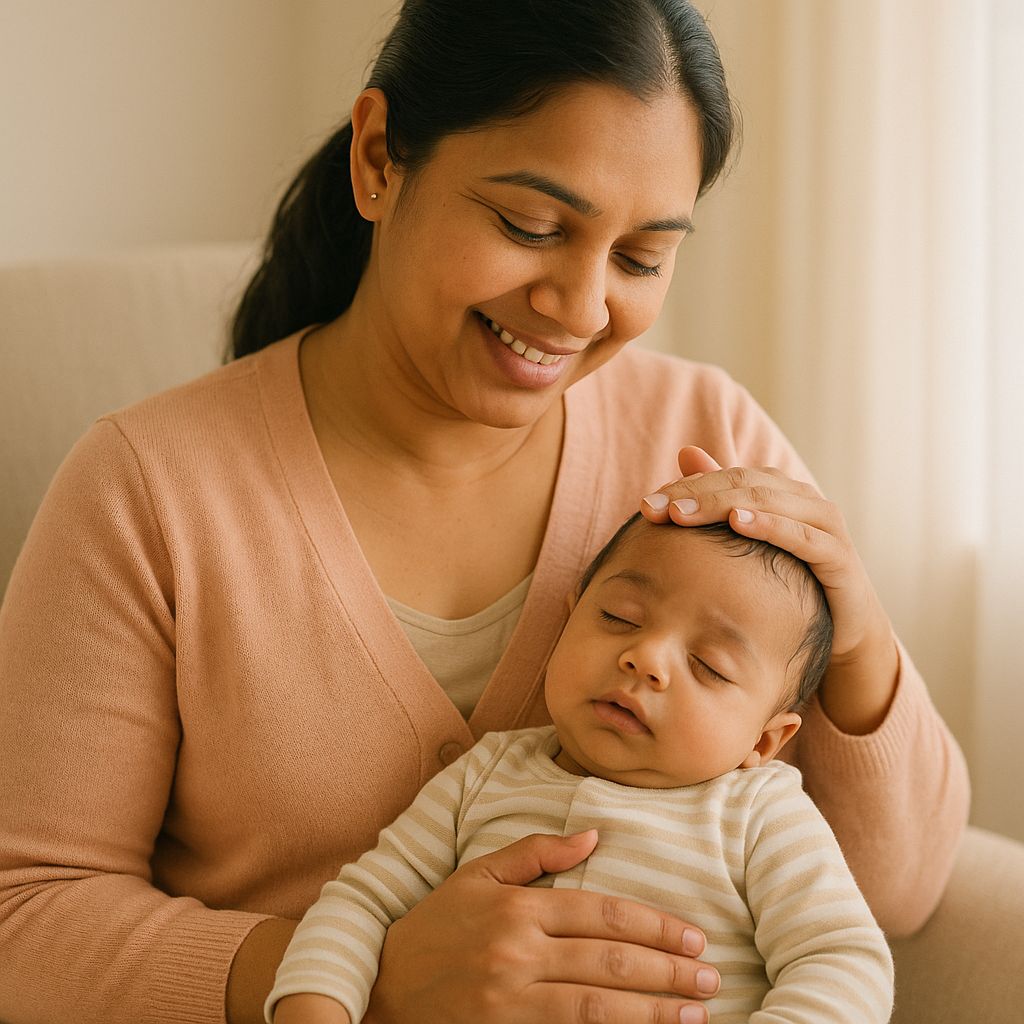
- Offering extra cuddles, skin-to-skin time, and reassurance.
- Using a baby carrier for closeness and convenience in transit.
- Keeping familiar items nearby, such as a favorite toy or pacifier.
Managing Expectations and Self-Care
It’s important to remember that growth spurts are temporary. Set realistic expectations for your travel experience:
- Allow for slower travel days and flexible plans.
- Don’t be discouraged if you need to skip activities or take breaks.
- Prioritize your baby’s comfort and your family’s well-being over rigid schedules.
Finally, take care of yourself. Traveling with a baby during a growth spurt can be exhausting. Share responsibilities with your partner, rest when possible, and seek support from fellow travelers or family members.
Sample Travel Day with a Baby in a Growth Spurt
Here’s an example of how a travel day might look, demonstrating how to integrate flexibility and routine:
- Morning: Wake up, feed, and allow for a slow start. Enjoy a short walk or visit a nearby attraction.
- Midday: Plan for extra feeding and a longer nap. Use this time for parents to rest or take turns exploring.
- Afternoon: Resume gentle activities. Be ready to stop for comfort breaks or additional snacks.
- Evening: Keep bedtime routines consistent. Offer extra soothing if your baby is fussy or overtired.
Remember, flexibility is your best friend when traveling with a baby in a growth spurt.
When to Seek Medical Advice
Most growth spurts are normal and manageable. However, consult a pediatrician if your baby experiences:
- Persistent high fever
- Signs of dehydration (fewer wet diapers, dry mouth, lethargy)
- Refusal to feed for more than a few hours
- Unusual rash or illness
Keep your baby’s health insurance information and pediatrician’s contact number accessible during your travels.
Conclusion
Managing baby growth spurts while traveling is a test of preparation, patience, and adaptability. By recognizing the signs, maintaining routines, and prioritizing your baby’s comfort, you can minimize stress and maximize the joy of family adventures. Remember, these challenging phases are short-lived and are a sign of your baby’s healthy development. With these strategies, you’ll be ready to embrace travel’s magic—growth spurts and all!