
How to Manage Baby Sleep During Car Travel: The Ultimate Parent’s Guide
There’s nothing quite like the freedom of hitting the open road with your family. But if you’re traveling with a baby, car journeys can quickly go from adventurous to anxiety inducing—especially when it comes to managing your little one’s sleep. Will the hum of the engine lull them into dreamland, or will nap time turn into a battle of wills? If you’re planning a road trip, you’re not alone in wondering how to manage baby sleep during car travel. This comprehensive guide is here to help you master nap time on the go and ensure a smoother, more restful journey for everyone.
Why Baby Sleep Is Different in the Car
Babies thrive on routine and familiarity, and car travel shakes up both. The new sights, sounds, and sensations can either soothe your baby to sleep or keep them wide-eyed and fussy. Some babies nap well with the gentle motion of the car, while others resist sleep in unfamiliar settings. Understanding your baby’s personality and sleep tendencies is the first step to successful travel naps.
Pre-Trip Preparation: Setting Up for Success
- Know your baby’s sleep schedule: Before you hit the road, pay attention to your baby’s wake windows and usual nap times. Use a sleep log if needed. This helps in planning your departure time to coincide with nap time.
- Pack familiar sleep items: Bring your baby's favorite blanket, pacifier, or lovey. Familiar smells and textures can signal it’s time to sleep—even in a car seat.
- Dress for comfort: Choose soft, breathable clothes and layer up for temperature changes. Avoid anything with bulky seams or tags that could irritate your baby during sleep.
- Sun protection: Use car window shades or a muslin cloth to block harsh sunlight, which can disrupt naps and make the car seat uncomfortably warm.
- Prepare a soothing playlist: Gentle lullabies or white noise can help mask road noise and soothe your baby to sleep.
Timing Is Everything: Plan Around Sleep
Whenever possible, plan your trip to align with your baby's natural sleep schedule. For many families, this means leaving just before a regular nap or bedtime. Some parents swear by driving at night, especially for long distances, while others prefer to tackle the trip in stages during daytime naps. Choose what works best for your family’s rhythm.
Sample Itinerary for Optimal Baby Sleep
- Morning departure: Feed and change your baby, then begin your journey just before nap time.
- Breaks every 1-2 hours: Stop for feeding, diaper changes, and stretching. Breaks help prevent discomfort and allow your baby to move and reset before the next nap.
- Flexible nap times: Watch for sleepy cues—rubbing eyes, yawning, fussiness—and adjust your driving schedule as needed.
Creating a Sleep-Friendly Car Environment
Transform your car into a cozy nap zone with these tips:
- Maintain a comfortable temperature: Keep the car cool in summer and warm in winter, avoiding direct sun on your baby’s seat.
- Use white noise: If your baby likes background noise, play a white noise machine or use an app at a safe volume.
- Dim the surroundings: Block out distractions with window shades or a car seat cover (never drape heavy blankets over car seats, as this can reduce airflow).
- Secure loose items: Make sure nothing can fall into the car seat or distract your baby once they’re asleep.
- Stay calm: Babies pick up on your stress. A relaxed atmosphere increases the chances of a peaceful nap.
Safe Sleep Practices in the Car
Safety is always the top priority, especially when managing baby sleep during car travel:
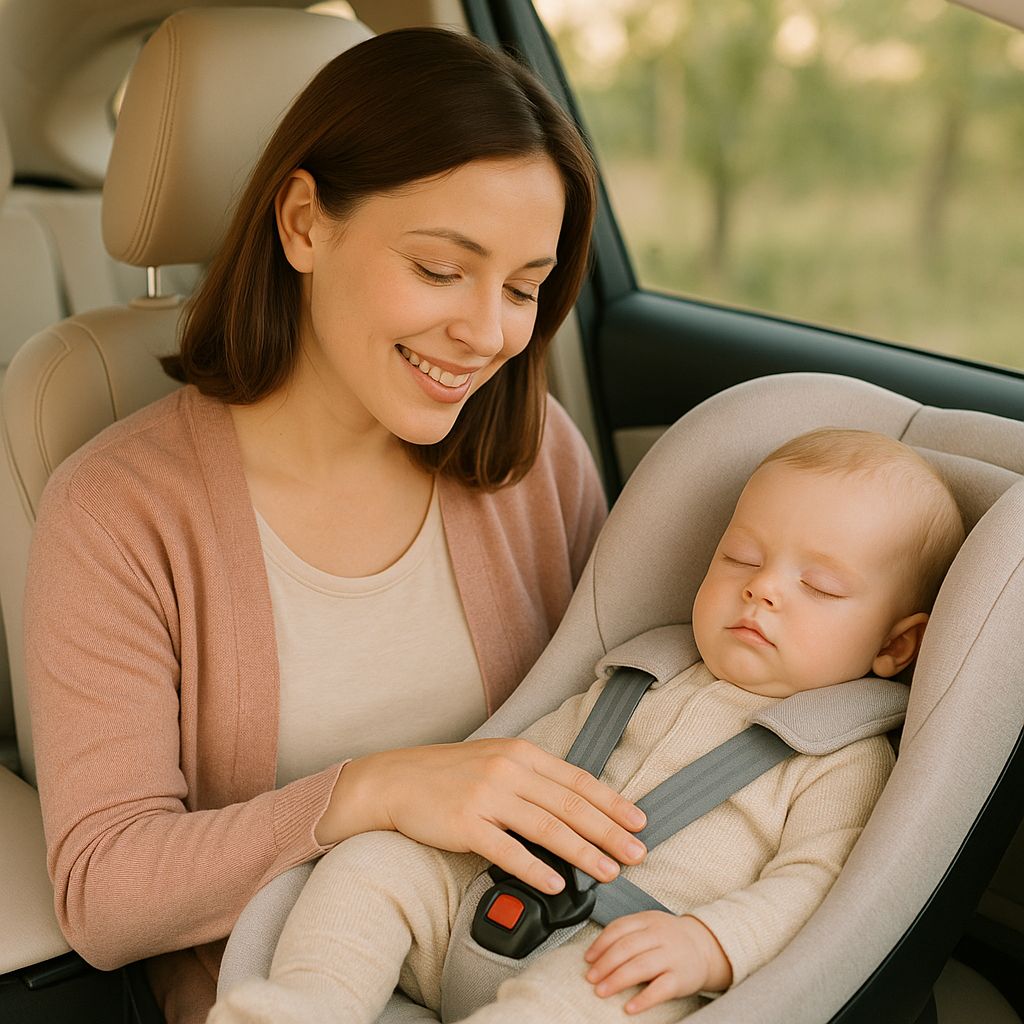
- Always use a properly installed car seat: Double-check your car seat's installation before each trip. The harness should be snug, with the chest clip at armpit level.
- Follow the 2-hour rule: For healthy infants, limit car seat time to two-hour stretches. Take breaks to let your baby stretch, feed, and have tummy time out of the seat.
- Never leave your baby unattended: Even if your child is sleeping soundly, never leave them alone in the car for any period of time.
- Monitor your baby: Use a baby car mirror if your child is rear-facing so you can check on them without stopping.
How to Handle Sleep Disruptions
Despite your best efforts, car travel can throw off even the best baby sleep routines. Here’s how to minimize disruptions:
- Be flexible: Some babies may nap more or less in the car. Adjust your expectations and routine as needed.
- Recreate routines: If your baby is used to a pre-nap ritual (like a song or a story), bring it into the car.
- Prepare for short naps: Car naps can be shorter than crib naps. If your baby wakes early, offer a snack, some playtime, and try again later.
- Plan for bedtime recovery: Once you reach your destination, help your baby transition back to their usual sleep environment with extra cuddles and routine consistency.
Essential Gear for Baby Sleep During Car Travel
- Portable white noise machine or app
- Car window shades
- Favorite blanket or lovey
- Extra pacifiers (if used)
- Spare clothes for quick changes
- Travel blackout curtain (for overnight stops)
Tips for Different Age Stages
Newborns (0-3 months)
- Newborns sleep frequently and may nap easily in the car's motion.
- Monitor their head position; use a rolled muslin cloth (not a bulky cushion) for gentle support if needed, and always consult your pediatrician.
Infants (4-12 months)
- Longer wake windows mean you can plan trips around more predictable nap times.
- Bring familiar items to ease anxiety and support self-soothing.
Toddlers (1-3 years)
- Toddlers may resist car naps, so plan for more breaks and opportunities for movement.
- Bring books, calming toys, and consider a car-friendly snack after a nap to ease transitions.
On Arrival: Restoring the Routine
Once you’ve reached your destination, help your baby adjust:
- Recreate your home sleep environment as closely as possible.
- Keep bedtime routines consistent: same songs, stories, and comfort items.
- Allow a little extra time and patience for any post-travel sleep disruptions.
Real Parent Stories: What Works?
“We time our long drives for after lunch, when our daughter is most likely to nap. We pack her favorite blanket and a playlist of gentle lullabies. If she wakes up early, we stop at a park for some fresh air and play before getting back on the road.” – Emma, mom of 2
“My son never slept in the car as a newborn, but as a toddler, he’d drift off if the car was cool and the windows were shaded. Now we always bring extra pacifiers and plan for plenty of breaks.” – James, dad of 1
Frequently Asked Questions
- Is it safe for my baby to sleep in the car seat during travel?
- Yes, as long as the car seat is properly installed and your baby is securely fastened. Take breaks every 1-2 hours to give your baby a chance to stretch and move.
- How can I help my baby nap better during long car trips?
- Stick to your baby's nap routine, bring familiar sleep items, minimize stimulation, and plan trips around nap times when possible.
- What should I do if my baby won’t sleep in the car?
- Try soothing music, dimming the surroundings, or pulling over for a calming break. Gradual practice drives can also help babies get used to sleeping in the car.
- How long can my baby safely sleep in a car seat?
- Limit car seat time to no more than 2 hours at a stretch, allowing for breaks to move and stretch.
Final Thoughts: Every Baby Is Different
Managing baby sleep during car travel is part art, part science, and a whole lot of flexibility. Even with the best planning, you may encounter setbacks. The key is to stay calm, prioritize safety, and embrace the adventure. With time, your baby will adjust, and so will you. Here’s to happy travels and peaceful naps on the road!