
How to Manage Baby Feeding During Cold Weather
As the temperature drops and the days grow shorter, parents face new challenges when it comes to feeding their babies. Cold weather not only affects our routines, but it can also influence your baby's appetite, comfort, and even hydration. Whether you're caring for a newborn or an older infant, understanding how to navigate feeding during chilly months is essential for their health and happiness.
Why Is Feeding Different in Cold Weather?
Babies, especially newborns, are more sensitive to temperature changes than adults. Their bodies have a harder time regulating warmth, and this can affect their feeding habits. Cold weather may:
- Alter your baby's appetite
- Change the frequency of feeds
- Impact hydration levels
- Make feeding sessions less comfortable due to cold surroundings
Understanding these factors helps you make informed choices as you manage feeding routines during winter.
Preparing for Feeding: Creating a Cozy Environment
Comfort is key when feeding your baby in cold weather. Here’s how to create a warm, inviting space:
- Warm the Room: Use a heater or ensure the baby's room is at a comfortable temperature (ideally 68–72°F / 20–22°C).
- Layer Up: Dress your baby in soft, breathable layers. Use wearable blankets or swaddles for added warmth.
- Keep Your Hands Warm: Cold hands can startle your baby during feeding. Warm your hands before picking up your baby or preparing bottles.
- Cozy Feeding Spot: Choose a comfortable chair with blankets or cushions. If you’re breastfeeding, use nursing covers for extra warmth.
Breastfeeding in Cold Weather
Breastfeeding offers warmth and comfort, but winter adds a few twists:
- Stay Hydrated: It’s easy to forget about hydration during winter. Drink plenty of fluids yourself to support milk supply.
- Dress for Comfort: Wear layers or nursing sweaters that allow easy access while keeping you warm.
- Outdoor Breastfeeding: If you need to breastfeed outside, use a thick wrap or cover, and keep sessions brief to avoid exposure to cold air.
- Nighttime Feeding: Night feeds can be chilly. Keep the room warm, and use a wearable blanket for your baby to avoid loose bedding.
Formula Feeding During Winter
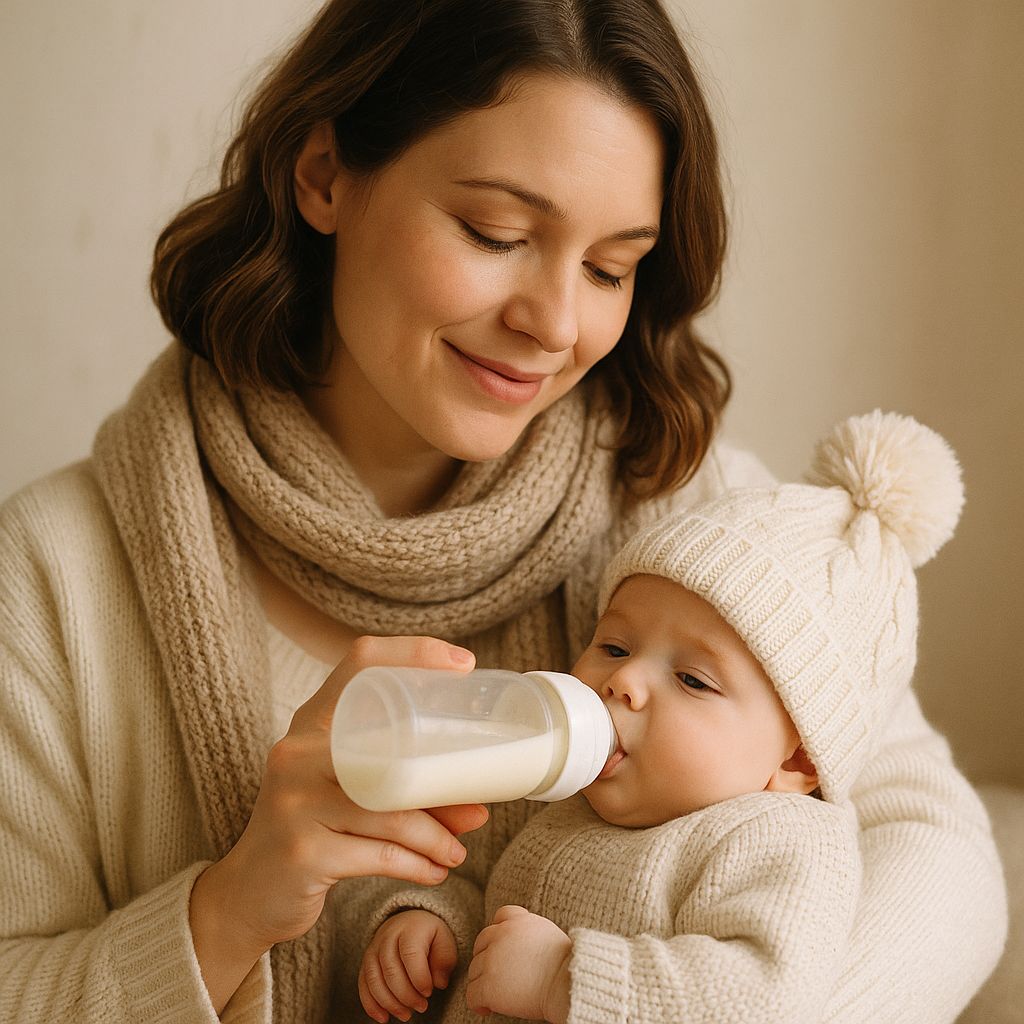
Formula feeding in cold weather comes with its own set of considerations:
- Warm Bottles: Prepare bottles just before feeding to prevent them cooling down. Test the temperature to ensure it’s not too hot.
- Insulated Bottle Sleeves: These keep bottles warm during nighttime or outdoor feeds.
- Safe Storage: Cold weather doesn’t eliminate the need for proper formula storage. Always refrigerate prepared formula, and don’t leave bottles out for extended periods.
- Water Temperature: If you use boiled water, let it cool to safe feeding temperature before mixing with formula.
Introducing Solids in Winter
If your baby is starting solids, winter can influence what and how you serve foods:
- Warm Purees: Serve homemade purees at room temperature or slightly warmed for comfort.
- Seasonal Ingredients: Use winter vegetables like sweet potatoes, carrots, and squash for nutritious, warming meals.
- Safe Heating: Use microwave or stovetop to warm foods, and always check for hotspots before serving.
- Hydration: Babies may not show thirst cues, so offer water or breast milk/formula regularly.
Hydration: Don't Forget the Fluids!
Babies can become dehydrated in cold weather because they may sweat less and show fewer signs of thirst. To prevent dehydration:
- Offer regular feeds, even if your baby seems less interested.
- Monitor wet diapers (at least 6–8 per day for infants).
- Look for signs like dry lips, fussiness, or sunken eyes.
- For older babies, offer water in a sippy cup.
Meal Prep and Storage Tips for Cold Weather
Meal prepping is a lifesaver for busy parents, but winter requires some extra steps:
- Safe Storage: Cold weather can affect refrigerator and freezer temperatures. Use a thermometer to ensure food stays at proper temps.
- Batch Cooking: Prepare large batches of purees or formula and store in small containers for easy warming.
- Warming Foods: Warm small portions as needed, rather than reheating large batches.
- Traveling: Use insulated bags and thermoses to keep food warm during outings.
Common Cold Weather Feeding Challenges
Parents often face these issues during winter:
- Refusal to Eat: Cold can make babies less interested in food. Offer frequent feeds in cozy environments.
- Dry Skin and Chapped Lips: Hydrate and use gentle balms to keep skin comfortable.
- Disrupted Routines: Holidays, travel, and weather delays can impact feeding schedules. Try to maintain consistency where possible.
Practical Feeding Tips for Cold Weather
- Dress your baby in warm, easy-to-remove layers for feeding.
- Keep feeding supplies (bottles, nipples, spoons) clean and dry to avoid germs.
- If bottle feeding, use insulated carriers for nighttime or outdoor feeds.
- Warm up your own hands and arms before holding your baby.
- Check for signs of cold stress: cool hands/feet, fussiness, or lethargy.
- Make feeding time relaxing and enjoyable with soft lighting and gentle music.
Nutrition Needs During Winter
Babies may need extra calories to maintain body warmth. If your baby is eating solids, consider:
- Offering healthy fats (avocado, full-fat yogurt)
- Adding protein (lentils, chicken, eggs) for older infants
- Including vitamin-rich foods (carrots, spinach, squash)
- Sticking to age-appropriate foods and avoiding honey for infants under one year
When to Seek Help
If your baby shows any of the following, consult your pediatrician:
- Consistently refuses feeds
- Shows signs of dehydration or illness
- Has fewer than 6 wet diapers per day
- Is lethargic or irritable
- Develops a fever or cold-related symptoms
FAQs: Managing Baby Feeding in Cold Weather
- Should I change my baby's diet in cold weather?
- You don't need to drastically change your baby's diet, but you should ensure they receive enough calories and hydration. Colder months may require more energy for warmth, so continue offering breast milk, formula, or age-appropriate foods as recommended.
- How can I keep my baby warm during feeding?
- Dress your baby in layers, use blankets, and feed in a warm room. Keep your own hands warm to avoid startling your baby. For nighttime feedings, try swaddling or using wearable blankets.
- Is it safe to breastfeed outdoors in winter?
- It is safe if you and your baby are dressed warmly. Limit exposure to cold air, and use cozy covers or wraps. Always watch for signs of discomfort or cold stress.
- How do I prevent bottle milk from cooling too quickly?
- Warm bottles just before feeding, use insulated bottle sleeves, and avoid placing bottles near drafts. Test milk temperature frequently to ensure it stays safe for your baby.
- What are signs of dehydration in babies during winter?
- Look out for fewer wet diapers, dry lips, fussiness, and sunken eyes. Cold weather can reduce thirst cues, so offer feeds regularly and monitor hydration closely.
Conclusion: Cozy Up to Winter Feeding
Cold weather brings its own set of challenges, but with thoughtful planning, you can keep your baby's feeding routine comfortable and nourishing. Remember to focus on warmth, hydration, and nutrition, and always listen to your baby’s cues. Whether you're breastfeeding, bottle feeding, or introducing solids, these expert tips will help you manage baby feeding during cold weather with confidence and ease. Stay cozy, and enjoy those snuggly winter moments!