
Making Travel Educational for Children: Turning Journeys Into Learning Adventures
Travel holds transformative potential for children, offering not just a change of scenery but a wealth of opportunities for growth, learning, and discovery. When families approach travel intentionally, journeys become more than vacations—they become immersive educational adventures. In this definitive guide, we explore expert strategies, creative activities, and practical tips to help parents turn every trip into a rich learning experience for their children, regardless of age or destination.
Why Is Educational Travel Important for Children?
Travel exposes children to new cultures, environments, languages, and ideas—far beyond what they encounter in the classroom. These experiences can:
- Enhance academic skills (geography, history, language, science)
- Promote social-emotional growth and adaptability
- Encourage curiosity, creativity, and problem-solving
- Foster empathy and global awareness
- Build family bonds through shared exploration
Educational travel is not limited to distant or exotic destinations; meaningful learning can happen anywhere—from local towns to international adventures.
Preparing Children for Educational Travel
Preparation is key to maximizing the educational value of travel. Here’s how parents can set the stage:
1. Involve Children in Planning
- Discuss destination options and research together
- Encourage children to identify places or activities they want to learn about
- Let children help with itinerary decisions, budgeting, and packing
2. Set Learning Goals
- Ask your child what they hope to see, do, or learn
- Frame travel as an adventure with specific educational objectives
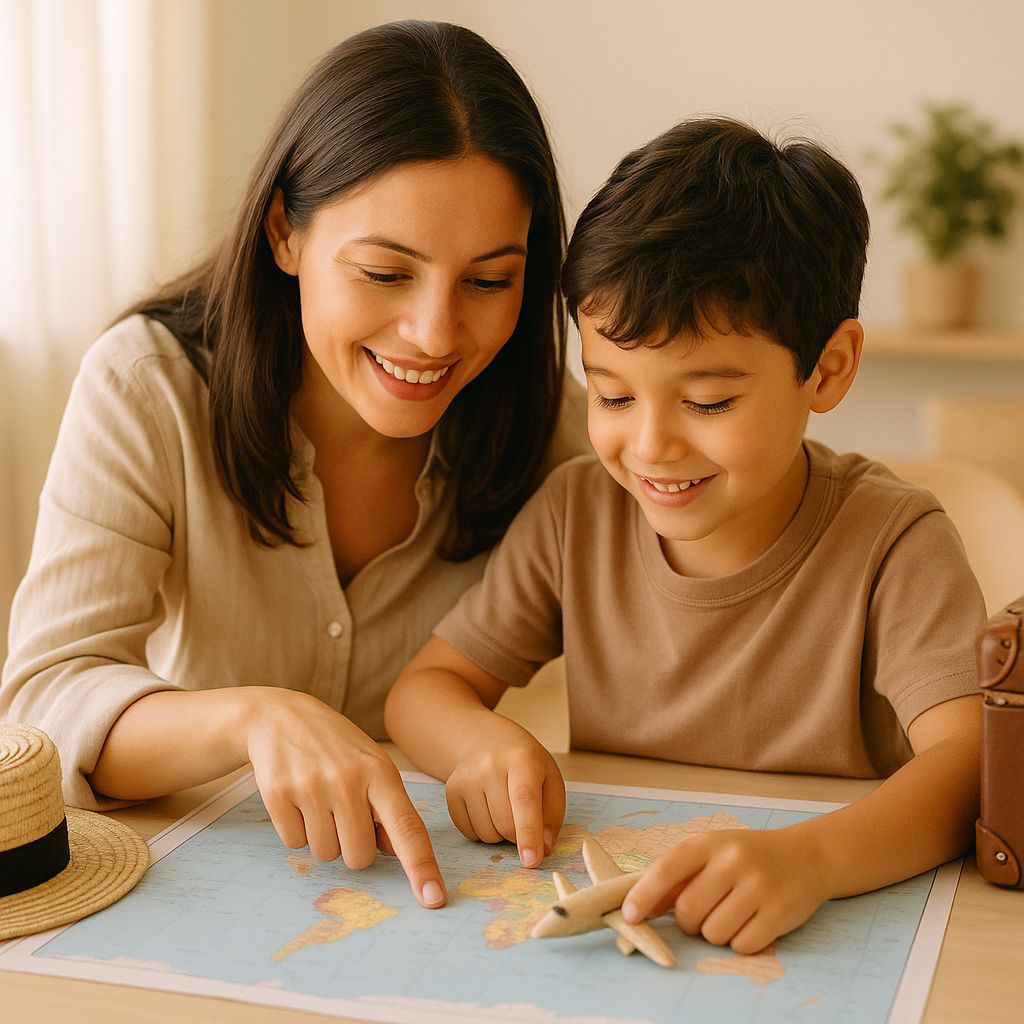
- Use maps, books, and documentaries to build anticipation
3. Pack Educational Tools
- Travel journals, sketchbooks, and cameras for documentation
- Guidebooks, phrasebooks, and child-friendly maps
- Portable science kits or nature guides for outdoor exploration
Making Learning an Integral Part of the Journey
Once on the road, parents can weave learning into every aspect of the trip. Here are actionable strategies:
1. Encourage Observation and Inquiry
- Ask open-ended questions about sights, sounds, and experiences
- Prompt children to make comparisons with their home environment
- Challenge children to find interesting facts or local stories
2. Use Hands-On Activities
- Scavenger hunts in cities, museums, or nature reserves
- Try local foods and discuss their origins and significance
- Participate in cultural workshops (art, music, dance)
3. Connect With Locals
- Attend community events or festivals
- Arrange guided tours led by local experts
- Encourage children to practice local greetings or simple phrases
4. Visit Educational Sites
- Historical landmarks, museums, science centers, and wildlife parks
- National parks and nature reserves for environmental education
- Libraries and cultural centers for immersive learning
5. Reflect and Document
- Daily journaling or sketching about experiences
- Photography projects documenting places and people
- Post-trip presentations or scrapbooks for family sharing
Educational Travel Activities by Age Group
| Age Group | Recommended Activities |
|---|---|
| Preschool (3-5 years) |
|
| Elementary (6-10 years) |
|
| Preteen & Teen (11-17 years) |
|
The Role of Parents: Guiding, Encouraging, and Modeling
Parents are central to making travel educational. Here’s how to lead by example:
- Show curiosity and enthusiasm for learning
- Model respectful behavior towards local cultures and environment
- Encourage questions and seek answers together
- Adapt activities and discussions to your child’s age and interests
Integrating Travel Learning With School Curriculum
Travel can complement and enrich classroom learning. Use the following strategies:
- Link travel experiences to subjects like history, geography, science, and art
- Encourage children to share their experiences in school projects or presentations
- Discuss how travel expands their understanding of topics studied
Overcoming Challenges: Tips for Parents
- Time constraints: Micro-adventures or weekend trips can be just as educational as longer vacations.
- Budget: Educational travel doesn’t require expensive destinations; local parks, museums, and cultural events offer rich learning.
- Engagement: Tailor activities to your child’s interests and let them take ownership of some aspects of the trip.
After the Trip: Reflecting and Reinforcing Learning
- Create a travel scrapbook or digital album
- Host a family sharing night where children present what they learned
- Encourage connections with new friends made during travel
- Continue exploring topics or cultures encountered during the trip
Case Studies: Real-Life Examples of Educational Travel
Case Study 1: Exploring Local History
The Johnson family planned a weekend trip to a historic town nearby. Their elementary-aged children helped research the town’s history, mapped out key landmarks, and created a scavenger hunt. The trip sparked their interest in state history and led to a school project.
Case Study 2: Nature Adventure in National Parks
On a vacation to Yellowstone National Park, the Smith family engaged their preschooler and preteen in observing wildlife, collecting natural treasures, and learning about conservation. The trip inspired a love of nature and environmental stewardship.
Case Study 3: International Cultural Immersion
The Lee family’s visit to Japan included cultural workshops, museum visits, and learning basic Japanese phrases. Their teens documented the experience through photography and presented their journey at school, deepening their understanding of global cultures.
Educational Travel Checklist for Parents
- Involve children in planning and set learning goals
- Pack journals, guidebooks, and educational tools
- Integrate hands-on activities and local experiences
- Encourage reflection and documentation
- Connect learning to school subjects and projects
Conclusion: Turning Journeys Into Lifelong Learning
Every journey offers a chance to spark curiosity, build skills, and deepen understanding. By approaching travel with intention and creativity, parents unlock the power of educational adventures for their children. With expert strategies, hands-on activities, and purposeful reflection, travel becomes more than a destination—it becomes a pathway to lifelong learning and growth.