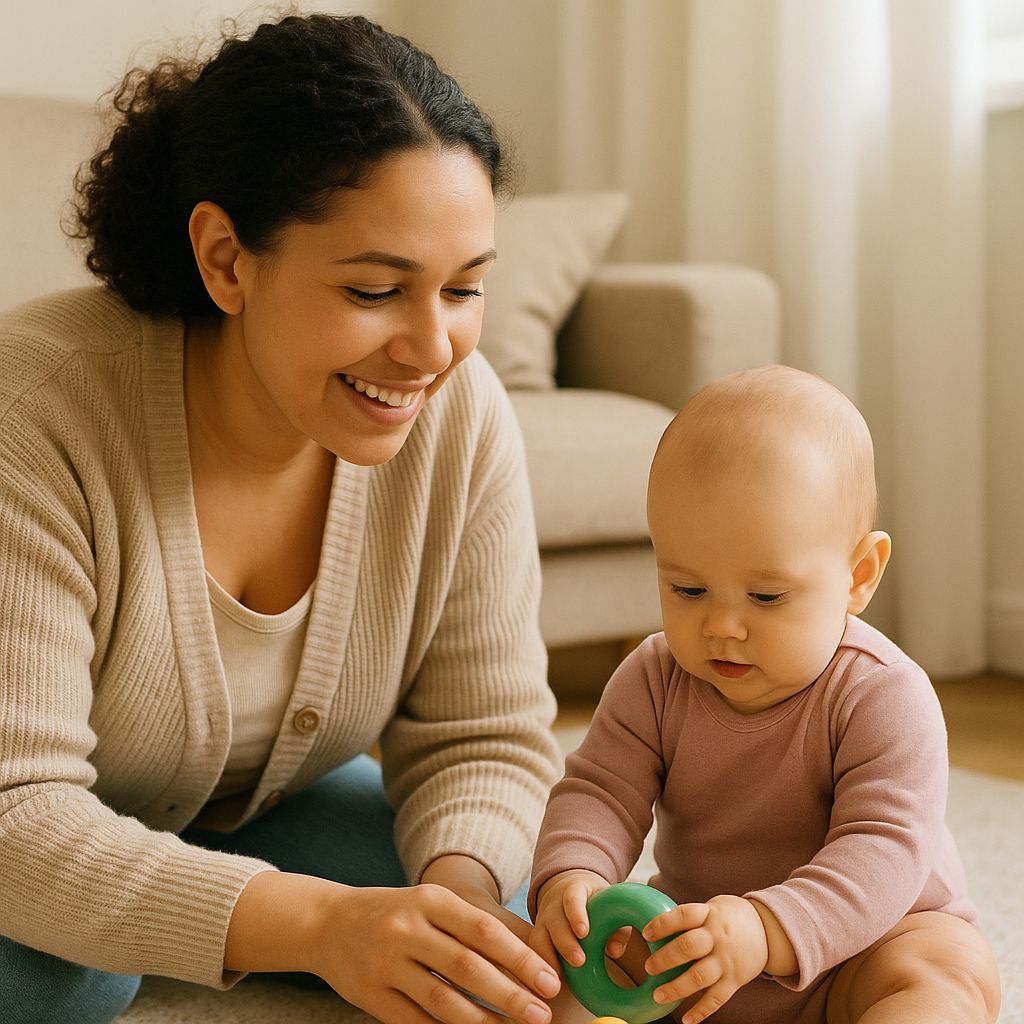

Keeping Babies Active Indoors During Winter: Creative Ideas & Expert Tips
When winter arrives and the days grow shorter, many parents find themselves searching for fun, safe ways to keep their babies active indoors. While blankets of snow, chilly winds, and icy sidewalks make outdoor play a challenge, your little one still needs plenty of movement and stimulation to thrive. Luckily, with a dash of creativity and some expert advice, you can transform your home into a hub of engaging activities that support your baby’s development and keep those winter blues at bay!
Why Indoor Activity Matters for Babies in Winter
Babies are naturally curious and energetic, constantly learning about the world through play and movement. Active play helps with physical development, builds motor skills, boosts cognitive abilities, and fosters social bonds. During winter, when outdoor adventures are limited, it’s especially important to provide opportunities for your baby to wiggle, explore, and interact in safe, stimulating environments.
Setting Up a Safe and Inviting Indoor Play Space
- Soft Mats and Rugs: Cushion the floor with thick mats or plush rugs to create a comfortable, safe area for crawling, rolling, and tumbling.
- Baby-Proofing: Remove sharp objects, cover electrical outlets, and secure furniture to ensure your baby can explore freely.
- Natural Light: If possible, set up play spaces near windows for extra cheer and vitamin D.
- Organized Toys: Rotate toys to keep things fresh and exciting. Use bins or baskets for easy access and clean-up.
Top Indoor Activities to Keep Babies Active During Winter
1. Tummy Time Adventures
Tummy time is essential for strengthening your baby’s neck, shoulders, and core. Make it more interesting by placing colorful toys or mirrors within reach. Try varying surfaces—soft mats, blankets, or textured tummy time pillows—to engage your baby’s senses.
2. Sensory Play Stations
Stimulate your baby’s curiosity with sensory bins tailored to their age. Fill a shallow container with soft fabrics, crinkly paper, or safe household items. For older babies, try adding a few water-safe toys or edible finger paints. Supervise at all times, and avoid small objects that could be choking hazards.
3. Music and Movement
Turn up the tunes and dance together! Babies love rhythm and movement. Hold your baby and sway, gently bounce, or clap along to favorite songs. Musical instruments like shakers, drums, or bells add extra fun. For crawling babies, create a "musical parade" with scarves or streamers.
4. Indoor Obstacle Courses
Build a simple obstacle course using pillows, tunnels, and soft toys. Encourage your baby to crawl, roll, or scoot through the course. This activity builds problem-solving skills and helps with gross motor development.
5. Mirror Play
Babies are fascinated by their reflections. Place a baby-safe mirror on the floor during playtime. Watch your little one giggle, babble, and reach out to "meet" themselves. Mirror play supports self-awareness and social development.
6. Storytime Stretch
Combine reading with gentle movement. While you share a favorite board book, encourage your baby to reach, grasp, or crawl toward illustrated objects. Act out stories with simple gestures or animal sounds.
7. Balloon Play
Blow up a few balloons and gently bat them around the room. Babies love watching balloons float and bounce. For younger babies, tie a balloon to a weighted object and let them reach for it. Always supervise balloon play and remove popped balloons promptly.
8. Blanket Forts & Cozy Hideaways
Build a fort with blankets, pillows, and chairs. This creates a cozy space for crawling, peek-a-boo, and imaginative play. Add soft lighting or twinkle lights for an extra magical touch.
How to Keep Babies Engaged: Routines & Variety
Babies thrive on routine, but they also love new experiences. Mix up your daily schedule by alternating between active play, quiet time, and sensory exploration. Here are a few tips:
- Chunk Your Day: Break up winter days with multiple short play sessions (10-30 minutes).
- Rotate Toys: Swap out toys every few days to keep things interesting.
- Involve Siblings: If you have older kids, include them in baby-friendly activities for extra fun and bonding.
- Follow Baby’s Lead: Watch for cues of tiredness or overstimulation and adjust activities accordingly.
Expert Tips for Indoor Baby Activity
- Dress for Comfort: Choose soft, layered clothing so your baby can move freely and stay warm.
- Hydration: Heated indoor air can be drying; offer water (for older babies) and breastmilk or formula as needed.
- Stay Social: Connect with other parents for virtual playdates, or invite a friend for a cozy indoor activity.
- Include Nature: Bring inside elements like houseplants, pinecones (for supervised play), or nature-themed books to enrich your baby’s sensory world.
Indoor Activity Ideas by Age Stage
Newborns (0–3 Months)
- Tummy time on a soft mat
- Gentle massage and stretching
- Black-and-white picture cards for visual stimulation
Infants (4–7 Months)
- Reach-and-grasp games with soft toys
- Mirror play sessions
- Simple music and movement routines
Older Babies (8–12 Months)
- Crawling races or obstacle courses
- Exploring sensory bins
- Peek-a-boo in blanket forts
- Interactive storytime
Winter Safety Tips for Active Babies Indoors
- Supervise always: Never leave your baby unattended during active play.
- Check temperature: Ensure rooms are comfortably warm but not overheated.
- Baby-proof: Double-check that play spaces are free from hazards.
- Clean regularly: With more indoor time, keep play areas tidy to prevent germs.
When Cabin Fever Strikes: Creative Solutions
Winter can feel long, but shaking up your routine helps. Try these ideas:
- Virtual baby classes: Sign up for online music, movement, or baby yoga sessions.
- Indoor playgroups: If safe, join a local indoor playgroup or invite a friend for a mini playdate.
- Family dance parties: Make it a daily tradition to dance together and laugh.
- DIY toys: Create homemade sensory bottles or fabric books.
Supporting Baby’s Development Through Indoor Play
Regular, active indoor play isn’t just about burning energy—it’s about building a foundation for lifelong learning and health. Here’s how indoor activities help:
- Motor Skills: Crawling, rolling, and reaching strengthen muscles and coordination.
- Language: Storytime, music, and interactive play boost communication skills.
- Sensory Exploration: New textures, sounds, and sights stimulate brain development.
- Social Bonding: Shared playtime strengthens parent-child attachment.
Wrapping Up: Embrace Winter with Indoor Baby Fun
Winter doesn’t have to mean boredom for your baby—or for you! By setting up a cozy, safe space and rotating engaging activities, you’ll help your little one stay active, happy, and healthy until spring returns. Remember, the most important ingredient is your loving presence. Enjoy these precious moments, and let your baby’s giggles fill your home with warmth all winter long.
Frequently Asked Questions
- Why is it important to keep babies active indoors during winter?
- Active indoor play supports your baby’s physical, cognitive, and social development. It helps burn energy, builds motor skills, and prevents cabin fever when outdoor play isn’t possible due to weather.
- What are some safe indoor activities for babies?
- Tummy time, dance parties, sensory bins, indoor obstacle courses, and exploring soft toys are all safe options. Always supervise your baby and ensure the play area is baby-proofed.
- How can I create a stimulating environment indoors?
- Rotate toys, introduce different textures, play music, and offer varied activities. Creating a cozy play space with soft mats and plenty of natural light can make winter days brighter and more engaging.
- How often should babies have active play indoors during winter?
- Babies benefit from multiple short sessions of active play throughout the day. Aim for at least 2-3 sessions of 10-30 minutes, depending on your baby’s age and temperament.
Share Your Winter Wins!
What indoor activities keep your baby giggling when it’s cold outside? Share your favorite ideas in the comments or tag #GrowingGiggles on social media—we’d love to see your creative winter play spaces!