
Improving Communication Skills in Pre-Teens: A Comprehensive Guide for Parents
Communication is a cornerstone of human interaction, and for pre-teens, mastering this skill is pivotal for navigating the challenges of adolescence and beyond. As children transition from childhood to adolescence, effective communication empowers them to express feelings, build relationships, resolve conflicts, and develop resilience. This guide explores the importance of communication skills in pre-teens, offers evidence-based strategies, and provides actionable tips for parents seeking to nurture confident communicators.
Understanding Communication Development in Pre-Teens
Pre-teens—generally children aged 9 to 12—stand at a unique developmental crossroads. Cognitive, emotional, and social changes accelerate during these years, impacting how they process information and interact with others. Effective communication is not just about speaking; it encompasses listening, interpreting non-verbal cues, negotiating, and empathizing.
- Expressive Skills: The ability to share thoughts, ideas, and feelings clearly and appropriately.
- Receptive Skills: The capacity to listen, interpret, and understand others’ messages.
- Non-Verbal Communication: Understanding and using body language, facial expressions, and tone.
Why Communication Skills Matter for Pre-Teens
Pre-teens face new social environments, academic pressures, and emotional challenges. Strong communication skills help them:
- Build and sustain friendships
- Express needs and boundaries
- Resolve conflicts peacefully
- Develop empathy and emotional intelligence
- Enhance self-esteem and confidence
Signs Your Pre-Teen May Need Communication Support
Some pre-teens may struggle with communication due to temperament, developmental delays, or environmental factors. Watch for these indicators:
- Reluctance to speak or share feelings
- Difficulty maintaining conversations
- Misunderstanding social cues
- Frequent arguments or outbursts
- Withdrawal from social situations
Strategies to Improve Communication Skills in Pre-Teens
Parents and caregivers are crucial in modeling and reinforcing positive communication behaviors. Here’s how you can support your pre-teen’s communication growth:
1. Model Effective Communication
- Use respectful language and tone in all interactions.
- Verbalize your feelings and thoughts clearly.
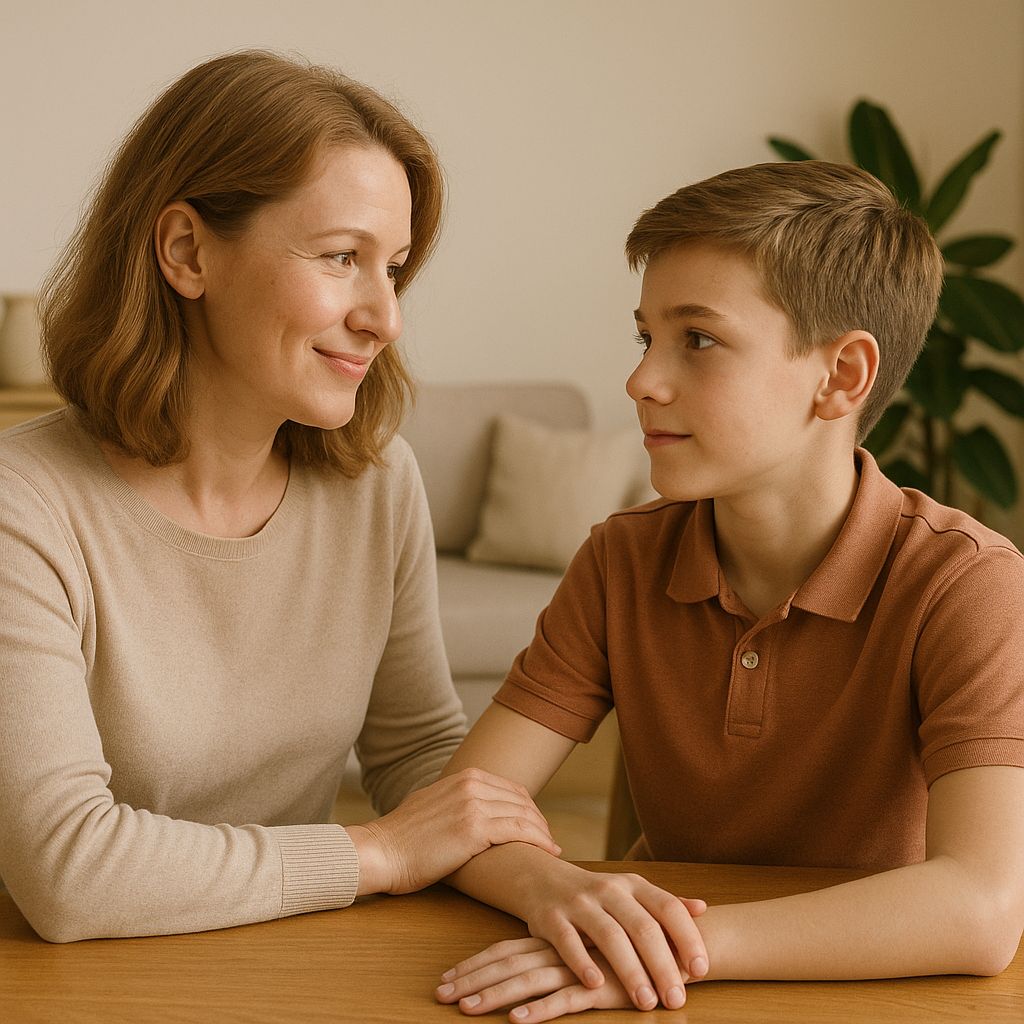
- Demonstrate active listening—make eye contact, nod, and paraphrase what you hear.
2. Encourage Open-Ended Conversations
- Avoid yes/no questions. Instead, ask: “How did you feel about your science project?”
- Show genuine interest in their experiences and perspectives.
3. Teach Active Listening
- Practice listening games (e.g., “telephone” or “repeat after me”).
- Encourage your pre-teen to wait their turn to speak and reflect on what others say before responding.
4. Role-Play Real-Life Scenarios
- Use role-playing to practice resolving conflicts, asking for help, or declining peer pressure.
- Switch roles so your child can experience different perspectives.
5. Foster Empathy and Emotional Intelligence
- Discuss emotions openly and label feelings during everyday moments.
- Ask, “How do you think your friend felt when that happened?” to build empathy.
6. Schedule Regular Family Discussions
- Have family meetings where everyone can share thoughts and feelings in a safe space.
- Encourage respectful disagreement and solution-focused dialogue.
7. Emphasize Non-Verbal Communication
- Point out body language and facial expressions in media or real life.
- Practice conveying emotions using only gestures or tone of voice.
8. Limit Screen Time and Encourage Face-to-Face Interaction
- Encourage in-person interactions with peers and family.
- Balance technology use with offline communication opportunities.
Fun Activities to Strengthen Communication Skills
Make communication development engaging with these activities:
- Storytelling Circles: Take turns adding sentences to a group story, emphasizing clarity and imagination.
- Charades: A game that boosts non-verbal communication and interpretation skills.
- Debate Nights: Choose age-appropriate topics and encourage respectful discussion and argumentation.
- Feelings Journal: Encourage your pre-teen to write about their daily experiences and emotions.
- Collaborative Projects: Work together on a puzzle, recipe, or art project, focusing on teamwork and clear instructions.
Addressing Challenges: Social Anxiety, Shyness, and Digital Communication
Some pre-teens may be naturally reserved or anxious about social situations. Here’s how to help:
- Start with small groups or one-on-one interactions to build confidence.
- Validate their feelings and avoid forcing participation in large gatherings.
- Discuss digital communication—texts, social media, and video chats—highlighting the importance of kindness, clarity, and privacy.
When to Seek Additional Support
If communication difficulties persist or interfere with daily life, consider consulting a speech-language pathologist, counselor, or child psychologist. Early intervention can address underlying issues such as social communication disorder, anxiety, or hearing problems.
Parental Self-Care: Modeling Mindful Communication
Children learn best by example. Reflect on your communication patterns—do you react calmly under stress? Do you listen without interrupting? Practicing mindful communication not only benefits your child but also strengthens family bonds.
Closing Thoughts
Improving communication skills in pre-teens is an investment with lifelong rewards. By fostering open dialogue, empathy, and self-expression, you’re equipping your child to thrive in school, friendships, and their future endeavors. Remember, progress takes time—celebrate small victories and remain patient as your pre-teen finds their unique voice.
Resources for Parents
- American Speech-Language-Hearing Association: Communication Development
- Boys Town: Communicating with Your Pre-Teen
- Child Mind Institute: Teaching Kids How to Express Feelings
Frequently Asked Questions
- Why are communication skills important for pre-teens?
- Communication skills help pre-teens express themselves, build relationships, resolve conflicts, and develop emotional intelligence, which are essential for academic and life success.
- How can I encourage my pre-teen to open up about their feelings?
- Create a safe, non-judgmental environment, use open-ended questions, and model vulnerability yourself to encourage your pre-teen to share their thoughts and emotions.
- What activities can help improve communication skills in pre-teens?
- Role-playing real-life scenarios, family meetings, storytelling, and collaborative games that require teamwork and dialogue are excellent for building communication skills.
- How do I address digital communication with my pre-teen?
- Teach responsible digital etiquette, monitor online interactions, and discuss the differences between online and face-to-face communication to ensure healthy digital habits.
By nurturing your pre-teen’s communication skills, you’re laying the groundwork for their confidence, relationships, and long-term success. Stay present, be patient, and enjoy the journey together!